
Choosing a camera with a removable battery gives you freedom. You can carry extra power for long days or swap in a fresh cell when one dies. These models vary by sensor size, zoom reach, and ease of use, making them fit different needs from casual snapshots to professional video.
Best overall: Canon EOS R50, which pairs a high-resolution sensor with advanced subject tracking in a portable body that suits almost any photographer. Best for power users: Sony Alpha 7 III, as its full-frame sensor and dual-battery kit provide the durability and professional performance needed for demanding work. Best for travel: Kodak PIXPRO AZ255, because it uses standard AA batteries, ensuring you’re never searching for a wall outlet while on the road.
This guide is for anyone looking to avoid the frustration of a dead camera battery during a shoot.
How We Picked
We compared 16 different digital camera listings to find the most capable options with removable power sources. To earn a spot, a product had to clearly state its battery type and provide core specifications like sensor resolution and lens details. We excluded any model that hid its battery information or failed to provide enough technical data for a fair comparison. Our focus remained strictly on the features listed by the manufacturer.
All 10 products side by side — scroll sideways to see every column.
| Top Pick | Best for Students | Also Great | Best for Vlogging | Best for Beginners | Best for AA Batteries | Best for Travel | Best for Night Vision | Best for Simple Video | Best for Point Shoot | |
| Preview |  |  | 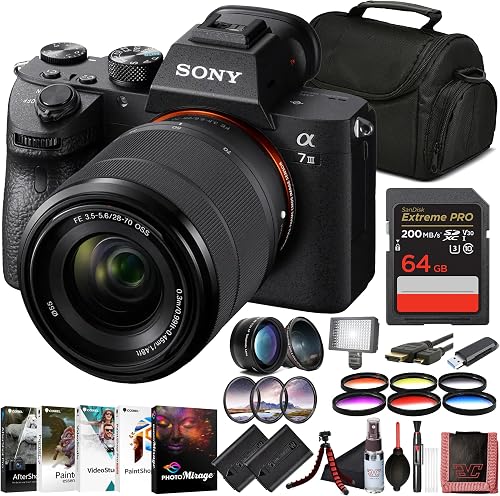 |  | 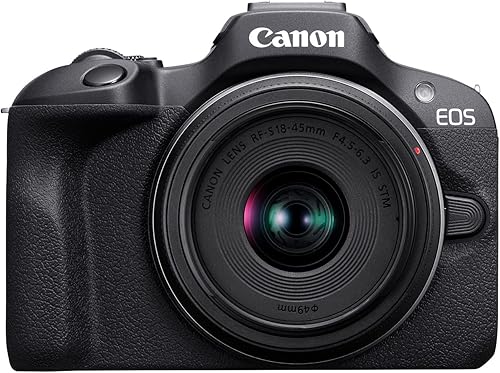 |  |  |  |  |  |
|---|---|---|---|---|---|---|---|---|---|---|
| Product | Canon EOS R50 | Canon EOS Rebel T7 | Sony Alpha 7 III | Canon PowerShot G7 X Mark | Canon EOS R100 | Kodak PIXPRO AZ255 | Kodak PIXPRO FZ55 | 5K UHD Vlogging Camera | Kimire Digital Camcorder | Canon PowerShot ELPH 180 |
| Brand | Not stated | Not stated | Not stated | Canon | Not stated | KODAK | Not stated | Uytya | kimire | Canon |
| Best for | Best Overall | Best for Students | Also Great | Best for Vlogging | Best for Beginners | Best for AA Batteries | Best for Travel | Best for Night Vision | Best for Simple Video | Best for Point Shoot |
| The listing says | 24.2 Megapixel CMOS sensor and DIGIC X Up to 15 fps continuous shooting | 24.1 Megapixel CMOS sensor ISO 100–6400 Built-in Wi-Fi and NFC technology | Includes FE 28–70 mm f/3.5–5.6 OSS lens 24.2 MP Exmor R CMOS sensor | NB-13L Battery Pack 3.6V 1250mAh | 24.1 megapixel CMOS sensor Compact and lightweight EOS R body | 25x Optical Zoom with 24mm lens 16MP CMOS sensor | 16MP CMOS sensor 5x optical zoom 28mm lens | 5K 20fps video and 64MP photos 3.0 inch IPS flip touch screen | Functions as a PC webcam 1080P 15fps video and 24M image resolution | 8x Optical Zoom with Image Stabilizer 20.0 Megapixel CCD and DIGIC 4+ |
| More information | Price on Amazon | Price on Amazon | Price on Amazon | Price on Amazon | Price on Amazon | Price on Amazon | Price on Amazon | Price on Amazon | Price on Amazon | Price on Amazon |
1. Canon EOS R50 Mirrorless Camera RF-S18-45mm F4.5-6.3 is STM Lens
Best for: Creators needing high-quality video and fast autofocus.
The Canon EOS R50 uses a 24.2 Megapixel CMOS sensor and the DIGIC X processor to deliver sharp images and 4K video. Its autofocus system is a standout, covering the entire frame with 651 zones to track people, animals, and vehicles automatically. The vari-angle touchscreen and 2.36-million-dot electronic viewfinder make it simple to frame shots from difficult angles.
This camera is built for speed, offering continuous shooting up to 15 frames per second using the electronic shutter. If you’re shooting fast-moving subjects, use the 15 fps electronic mode for the best results.
The R50 excels in complex lighting. The Advanced A+ Assist expands the range of scenes the camera handles automatically, making it a reliable tool for night or backlit settings. For product reviewers, the Close-up Demo Mode is a vital feature. It instantly shifts focus to objects held near the lens, saving you from manual adjustments during recording.
While the 6K oversampled 4K video provides excellent clarity, remember that the camera relies on the Canon Camera Connect app for wireless transfers. You must pair your device via Bluetooth to move files quickly. Users who prefer a traditional optical viewfinder will find this digital-only display different from older DSLR models, as the EVF is your sole window for composition.
Pros
- Excellent autofocus subject tracking
- High-speed continuous shooting
- Versatile vari-angle touchscreen
Cons
- Electronic viewfinder only
- No headphone jack listed
2. Canon EOS Rebel T7 DSLR Camera EF-S 18-55mm f/3.5-5.6 is
Best for: Students learning the basics of photography.
The Canon EOS Rebel T7 features a 24.1 Megapixel CMOS sensor and a traditional 9-point autofocus system. It includes an optical viewfinder, which provides approximately 95% viewing coverage for a direct, through-the-lens experience. This classic setup helps beginners understand framing without the digital lag found in electronic screens.
If you’re just starting, use the included EF-S 18-55mm f/3.5-5.6 IS II lens to practice manual control. You can expand your kit later by choosing from the full range of Canon EF and EF-S lenses, though you should avoid EF-M lenses as they aren’t compatible.
The camera reaches an ISO range of 100–6400, expandable to 12800 for darker environments. If your primary goal is streaming, use the EOS Utility Webcam Beta software on Mac or Windows to transform the device into a high-quality webcam.
This model is a reliable entry point for those mastering manual settings. It isn’t the right choice for someone prioritizing advanced video production, as the autofocus and frame rates are optimized for still photography. If you need rapid tracking for fast-moving subjects, the 9-point system may feel restrictive compared to modern mirrorless alternatives. Stick to still subjects to get the most out of the AI Servo AF system.
3. Sony α7 III Camera with 28-70mm Lens & Battery Bundle
Best for: Professional full-frame photography and video.
The Sony Alpha 7 III comes in a comprehensive kit with two batteries and a 64GB memory card. Its full-frame 24.2 MP sensor and 5-axis in-body stabilization help you capture sharp images in low light. The magnesium alloy body is durable, and the dual card slots ensure your work is always backed up safely.
This camera is designed for creators who need a professional tool that can handle studio work and field assignments. Its 693 phase-detection points make it very fast at locking onto moving subjects. This is a complex machine, so it may be too much for a casual user who just wants a simple “point-and-shoot” experience.
Pros
- Full-frame image quality
- Includes two batteries
- Rugged magnesium alloy body
Cons
- Complex menu system
- Heavier than mirrorless alternatives
4. Canon PowerShot G7 X Mark III Digital Camera (Black)
Best for: Vloggers on the move.
The Canon PowerShot G7 X Mark is built for compact, high-quality video recording. It uses the NB-13L battery pack, which is easily removable for quick swaps during long filming sessions. Its design emphasizes portability, allowing you to carry professional video capabilities in a pocket-sized frame.
If you find yourself filming away from a studio, this camera offers the mobility you need. However, keep in mind that the 1250mAh capacity of the NB-13L battery is modest. You should always carry at least one spare pack if you plan to shoot for more than an hour.
This model isn’t designed for those who need long-range telephoto zoom. The lens is optimized for wide-angle and standard shots, making it ideal for handheld vlogging. If your work requires capturing distant subjects, you’ll likely find the zoom range insufficient for your needs.
Pros
- Highly portable design
- Simple battery replacement
- Good for handheld vlogging
Cons
- Limited zoom range
- Small battery capacity
5. Canon EOS R100 Mirrorless Camera RF-S18-45mm F4.5-6.3 is STM Lens
Best for: Beginners switching to mirrorless systems.
The Canon EOS R100 is the lightest and smallest mirrorless camera in its series. It uses a 24.1 megapixel sensor to capture clear images with a natural look. With the DIGIC 8 processor, it provides an accessible entry point for those wanting to try interchangeable lenses for the first time.
This model is excellent for travel due to its compact size. It includes modern autofocus features like human eye detection to keep your subjects sharp. If you prioritize portability for daily carry, this body is your best choice. However, if you need professional-grade speed, look elsewhere; the camera tops out at 6.5 shots per second in One-Shot AF mode.
For video, you have options based on your output needs. Use 4K at 24 frames per second for cinematic detail, or switch to Full HD at 60 fps for smoother motion. If you need slow-motion effects, drop the quality to HD to unlock 120 frames per second. Avoid this model if your primary goal is high-speed 4K recording, as it will limit your creative workflow.
Pros
- Very lightweight and compact
- Modern eye-detect autofocus
Cons
- Fixed rear screen
- Slower 4K frame rates
6. KODAK PIXPRO AZ255 16MP Digital Camera
Best for: Travelers who prioritize long-range reach and battery convenience.
The Kodak PIXPRO AZ255 features a 25x optical zoom lens that pulls faraway action into sharp focus. Unlike digital cropping that degrades image quality, this lens captures true detail for wildlife, stage performers, or kids on the field. The 24mm wide-angle setting also handles sweeping landscapes with ease.
You can rely on the built-in Optical Image Stabilization to keep handheld shots sharp at long focal lengths. If you can’t step closer to your subject, this feature marks the difference between a clear keeper and a blurred frame.
The camera runs on standard AA batteries. If you’re on a road trip or camping, you can find replacements at any gas station or grocery store worldwide. This avoids the risk of getting stranded by a dead proprietary pack.
Use a Class 10 SD, SDHC, or SDXC card up to 512GB to store your 16MP photos and 1080p full HD videos. While the zoom lens makes the body larger than a standard pocket camera, it remains a practical choice for those who value optical reach over a slim profile.
7. KODAK PIXPRO FZ55 16MP Compact Digital Camera
Best for: Everyday snapshots in a small package.
The Kodak PIXPRO FZ55 is a compact camera designed to fit into a shirt pocket. It features a 16MP CMOS sensor and a 5x optical zoom lens, which provides a 28mm wide angle for flexible framing. You can capture both indoor scenes and outdoor landscapes with ease.
The battery charges directly inside the camera body via USB, keeping your travel gear minimal. If you’re preparing for your first use, charge the included LB-012 lithium-ion battery for at least four hours to maximize its lifespan. Once initialized, a standard charge takes about two hours.
This device handles 1080p video for travel clips or family moments. Always use a Class 10 SD, SDHC, or SDXC card to ensure compatibility, as the camera supports capacities up to 512GB. If you require advanced manual controls or professional-grade video tools, this camera will likely fall short of your expectations. It’s built for simplicity rather than technical depth.
Pros
- Very compact size
- Easy USB charging
- Simple to use
Cons
- Limited zoom range
- Basic video features
8. 5K UHD Vlogging Camera
Best for: YouTube creators looking for a complete kit.
The 5K UHD Vlogging Camera comes with a large bundle, including two 1800mAh batteries, an external noise-reduction microphone, and a tripod. It captures 5K video at 20fps or 4K at 60fps, alongside 64MP photos. This resolution is ideal for travel films or podcasts where detail matters. The 3.0″ IPS touch screen rotates 270 degrees, allowing you to frame yourself during solo vlogging or low-angle shots.
This kit is designed for beginners who want to start recording immediately. If you prioritize cinema-grade color science or high-end low-light performance, look toward professional-grade mirrorless systems instead. This camera relies on a standard CMOS sensor; use the included lens hood and IR night vision for better results in challenging light.
If you’re streaming, use the WiFi control or the webcam support for instant social media sharing. You can record while charging, which prevents downtime during long shoots.
Pros
- Full vlogging accessory kit
- High-resolution 5K video
- Flip-out screen
Cons
- Basic sensor performance
- Requires accessories for best results
9. kimire Video Camera Camcorder Digital Camera Recorder Full HD 1080P
Best for: Simple, no-fuss video recording.
The Kimire Digital Camcorder is built for simplicity, focusing on basic video and photo tasks. It includes a backup power supply and supports recording while charging, which is helpful for long-form content. You can also use it as a webcam for video calls by connecting it to your computer. To activate this, download the AMCAP software, connect via USB, and select the “PC CAM” mode on the device.
This camcorder is designed for someone who wants to record events without learning complex settings. If you need to record long sessions, use the recording-while-charging feature to bypass the 60 to 90-minute battery limit. Always remember to format your SD card, which supports up to 128GB, before your first use. Avoid using this for high-end cinematic work, as the 15FPS frame rate is optimized for basic tasks rather than fluid action.
Pros
- Records while charging
- Includes two batteries
- Easy webcam mode
Cons
- Low frame rate
- Limited resolution
10. Canon PowerShot ELPH 180 Digital Camera w/Image Stabilization and Smart
Best for: Quick, casual point-and-shoot use.
The Canon PowerShot ELPH 180 is a slim camera built for portability. It features an 8x optical zoom with an image stabilizer to keep shots clear. The Smart AUTO mode selects settings based on your environment, making it a stress-free option for capturing memories.
If you’re shooting wide landscapes, the 28mm equivalent focal length provides the necessary breadth. When you need to reach distant subjects, the zoom extends to 224mm. Keep in mind that the normal focusing range shifts from 2 inches at the wide setting to 4.3 feet when fully zoomed.
This camera is for the casual user who wants to press a button and get a decent photo. It isn’t for those who need high-definition video, as the device is capped at 720p. You should avoid using this camera in extreme cold or heat, as it’s designed to function only between 32°F and 104°F.
Pros
- Extremely thin design
- Simple automatic settings
- Effective image stabilization
Cons
- Limited video resolution
- Basic sensor technology
How to Choose in Sixty Seconds
Which sensor size is best for me?
If you want the best image quality in low light, a larger sensor like the one in the Sony Alpha 7 III is your best choice. Larger sensors gather more light and provide better depth of field for professional portraits. However, they make the camera and lenses much heavier. If you value portability, an APS-C sensor like those in the Canon EOS R50 or R100 strikes a great balance. These cameras are much easier to carry for a whole day of hiking or travel.
Do I need a camera that uses AA batteries?
Cameras using AA batteries, like the Kodak PIXPRO AZ255, are excellent for remote travel. You’ll never be stuck with a dead, proprietary battery that you can’t replace. If you’re heading to a campsite or a location where electricity isn’t guaranteed, the ability to buy standard cells at any local store is a major advantage.
However, these cameras are often larger to house the batteries and zoom hardware. If you’re staying in cities or places with reliable electricity, a camera with a rechargeable lithium-ion pack is usually better. These packs are lighter, last longer per charge, and can be recharged over USB, keeping your setup much more compact for daily use.
Is a vlogging kit worth it?
A vlogging kit, like the 5K UHD Vlogging Camera, is a great way to save time. You get everything you need—batteries, microphones, and tripods—in one box. This is perfect for beginners who don’t want to research dozens of accessories.
If you already have some gear or have very specific needs for audio quality, you might prefer to buy a body-only camera and select your own microphone. If you choose a kit, ensure it includes a flip-out screen, which is essential for framing yourself during a solo recording session. Without that screen, you risk recording off-center or out of focus. If the kit lacks a microphone with noise reduction, you may find your audio quality suffers in busy environments, requiring you to buy a better mic later anyway. Always check if the included memory card is large enough for your intended video resolution, as 5K or 4K files fill space quickly.
Frequently Asked Questions
What happens if my camera battery stops holding a charge?
If your battery stops holding a charge, you can simply replace it because your camera uses a removable battery. This is a significant advantage over cameras with built-in power cells that can’t be swapped. Most manufacturers sell official replacement packs, and many third-party options exist as well. Always check that the replacement is compatible with your specific model number.
Is it better to have two batteries or one?
Having two batteries is essential for long days of shooting or travel. The Sony Alpha full-frame mirrorless and the 5K UHD Vlogging Camera include a spare power cell in their kits for this reason. If your camera only includes one, you should purchase a second to avoid waiting for a charger.
What is the most common part to fail on these cameras?
The most common points of failure on digital cameras are the battery door and memory card slot cover. These plastic parts move frequently and can break if handled roughly. By keeping your camera in a protective case when not in use, you can prevent most mechanical wear and damage.
Is the simplest camera on this list enough for me?
A simple camera like the Canon PowerShot ELPH 180 is sufficient for capturing casual memories with minimal effort. It handles all settings automatically, allowing you to focus on your subject. However, you will need a mirrorless or DSLR model like the Canon EOS R50 for professional portraits or cinematic video.
Closing
The Canon EOS R50 stands out as our top choice for its mix of high-quality imaging and ease of use, while the Sony Alpha 7 III remains the best pick for those who need professional-grade full-frame performance.
For most users, the flexibility of a removable battery is a major plus, especially when paired with a reliable, compact mirrorless body. If you plan on traveling to remote areas, consider a bridge camera like the Kodak PIXPRO AZ255; it runs on standard AA batteries, meaning you’ll never be stranded by a dead proprietary pack.
Before you order, verify the memory card type your chosen camera supports. Some high-resolution models require faster cards to record video smoothly, and you must format the card before the first use to avoid errors.
Once you have your camera, always pick up an extra battery and a high-speed SD card.