
Finding the best camera for boat dock monitoring depends on whether you need to watch a vessel while you’re away or assist with navigation while you’re on the water. Some systems rely on cellular data for remote alerts, while others plug directly into your boat’s chartplotter for real-time visibility. Your choice hinges on your power source, your connectivity needs, and whether you require thermal imaging for low-light safety. The Aosu T2 Pro and the Solace 4G LTE represent the two most common paths: one for those with existing Wi-Fi, and one for those needing cellular access in remote marinas.
All 10 products side by side — scroll sideways to see every column.
| Top Pick | Best for Remote Monitoring | Best for Night Vision | Best for Chartplotters | Best for Marine Use | Best for Thermal Imaging | Best for Engine Rooms | Best for Mobile Apps | |||
| Preview |  |  |  | 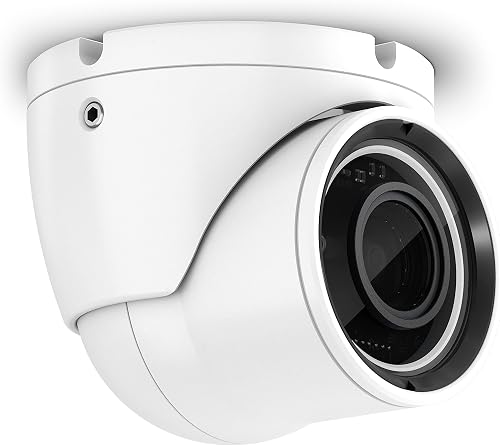 |  |  |  |  |  |  |
|---|---|---|---|---|---|---|---|---|---|---|
| Product | Aosu T2 Pro | Solace 4G LTE | SiOnyx Nightwave | Garmin GC 14 | C1080 Marine Camera | FLIR M232 | Raymarine Cam210 | Garmin GC 200 | Speco CVC627MT | SiOnyx Nightwave Analog |
| Brand | aosu | AquaVue | Certified Brands | Garmin | BoatEye360 | FLIR | Raymarine | Garmin | Speco Technologies | SiOnyx |
| Best for | Top Pick | Best for Remote Monitoring | Best for Night Vision | Best for Chartplotters | Best for Marine Use | Best for Thermal Imaging | — | Best for Engine Rooms | — | Best for Mobile Apps |
| The listing says | Dual-camera design with 170° and 360° lenses Tracks movement with lock-capture technology | 4G LTE cellular access Solar powered with 14 days battery backup | Not stated | Monitors areas above or below decks Analog camera for low light conditions | Full-color video in low-light conditions 1080P HD video with 4K-capable sensor | 320 x 240 thermal camera with 9Hz Ethernet-enabled for simple integration | Great Product | Monitors inside and around areas Suitable for the engine room | Bullet camera with fixed lens 12VDC/24VAC voltage | Ultra-low light color digital night vision 44º field of view |
| More information | Check Price on Amazon | Check Price on Amazon | Check Price on Amazon | Check Price on Amazon | Check Price on Amazon | Check Price on Amazon | Check Price on Amazon | Check Price on Amazon | Check Price on Amazon | Check Price on Amazon |
1. aosu T2 Pro 3K Dual Cam Outdoor Security Camera
Best for: Someone who has a Wi-Fi signal at their dock.
This camera is designed for those who want to monitor their property from a distance using an existing internet connection. It uses a dual-camera setup with a 170° wide-angle lens and a 360° PTZ camera. This allows you to cover a large area while still zooming in on specific details like a boat or a dock gate.
The solar panel and 9200mAh battery mean you don’t need hard wiring. You only need a spot that gets at least 90 minutes of direct sunlight per day. If your location is heavily shaded, the detachable solar panel allows for flexible placement to find better sun exposure.
The AI tracking distinguishes between people and vehicles to reduce false alarms from moving water or swaying ropes. If you receive too many alerts, use the aosu app to draw custom monitoring zones around fences or specific entry points. This ensures you only get notified when movement crosses your virtual boundaries.
It isn’t for users who lack a stable 2.4 GHz Wi-Fi signal at their docking location, as it can’t transmit alerts without it. If your router is too far, the camera will fail to send real-time data.
Good if:
- You want to track activity with automated zoom.
- You need a solar-powered system with no wires.
- You prefer local storage options like a microSD card.
Skip it if:
- You don’t have Wi-Fi at your dock.
- You need a camera that integrates with marine chartplotters.
2. Solace 4G LTE Solar Security Camera
Best for: Someone needing security in remote, Wi-Fi-free locations.
The Solace 4G LTE is built for places where traditional internet is unavailable. It connects via cellular networks, providing live video and alerts directly to your phone regardless of how far you’re from the dock. It includes a rechargeable battery that can last up to 14 days, making it a solid choice for remote marinas or private docks where power is inconsistent.
When choosing between this and a standard Wi-Fi camera, check your local cellular signal strength. If your mobile phone shows no bars at the dock, the camera will fail to connect. If you have at least one bar of signal, the 4G LTE connection will provide reliable remote monitoring.
Good if:
- You have no access to Wi-Fi at your dock.
- You need 4K video quality for clear identification.
- You want a weather-resistant build for harsh environments.
Skip it if:
- You don’t want to pay for a monthly cellular data plan.
- You have strong Wi-Fi available and prefer not to pay for data.
3. SiOnyx Nightwave
Best for: Boaters who prioritize night vision performance above all else.
This camera is built for those who spend time on the water after dark and need to see obstacles that are otherwise invisible. It uses ultra-low light technology to provide color images in near-total darkness, which helps with navigation and situational awareness. It’s a rugged piece of equipment designed to handle salt, sand, and dust.
The system is designed for ease of use, with an app for streaming and mounting options that allow for either temporary or permanent installation. Use the included RAM mounts to secure the device to your helm for immediate visibility. If you’re mounting it permanently, ensure the dome housing is clear of obstructions to maintain a full field of view.
It isn’t for users looking for a traditional security camera with motion-based alerts for dock monitoring, as it’s primarily a navigation aid. If you need to secure a stationary vessel while away, this unit will disappoint because it lacks the software triggers for movement detection.
Good if:
- You need to navigate waters safely in the dark.
- You want a camera that connects to existing marine displays.
- You need a rugged device that resists lens fogging.
Skip it if:
- You’re looking for a remote security camera with motion alerts.
- You don’t have a marine display to connect it to.
4. Garmin GC 14 Marine Camera
Best for: Vessel owners already using a Garmin marine network.
The Garmin GC 14 is a compact analog camera meant to be part of a larger marine electronics setup. It’s particularly useful for monitoring areas like engine rooms or blind spots, as it provides low-light visibility up to 15 meters. This range is a significant improvement over previous generations of analog cameras. It’s designed to work seamlessly with Garmin chartplotters, allowing you to view the feed directly on your dash.
You can broadcast these images to a single chartplotter or across multiple networked units. If you’re navigating a crowded marina, use the reverse-image setting on your compatible display to assist when backing out of tight locations.
It’s a specialized tool that requires a wired connection to a compatible display. It isn’t for someone looking for a standalone security camera that sends notifications to a smartphone. If you lack a marine chartplotter, this device won’t function as intended.
Good if:
- You use Garmin chartplotters on your boat.
- You need a small camera for an engine room.
- You want to see behind the boat while docking.
Skip it if:
- You want a wireless or cellular security system.
- You don’t have a marine chartplotter.
5. C1080 Marine Boat Camera Full Color Night Vision
Best for: Those who need a durable, stainless steel housing.
This camera is constructed from 316L stainless steel, making it highly resistant to the corrosion often found in saltwater environments. It offers 1080P resolution and includes both HDMI and RCA outputs, which gives you flexibility when connecting to monitors or navigation systems. Use the HDMI output if your chartplotter supports high-definition feeds; choose the RCA connection if you’re integrating with legacy marine displays.
The adjustable bracket makes it suitable for various mounting positions, including T-tops, cabin roofs, or inverted setups. If you’re mounting on a T-top, ensure your wiring path is clear before securing the bracket. This unit isn’t for users who want a simple “plug and play” Wi-Fi security camera, as it requires a hard-wired connection to a display system.
Good if:
- You want maximum durability in saltwater.
- You need to connect to an existing HDMI display.
- You prefer a wide-angle view for navigation.
Skip it if:
- You aren’t comfortable with hard-wired installations.
- You want a wireless or app-based security system.
- You require a camera that connects directly to a smartphone rather than a dedicated marine display.
6. FLIR E70354 M232 Pan Tilt Thermal Camera 9hz
Best for: Advanced navigation using thermal imaging.
The FLIR M232 provides thermal video, which allows you to see heat signatures of other vessels, buoys, or people in the water. This is an advanced safety tool for night navigation. It integrates with your boat’s existing electronics via Ethernet, making it a professional-grade addition to your bridge.
Because it uses thermal technology, it provides a different kind of image than a standard optical camera. It isn’t for someone who just wants a standard security camera to watch their boat from home. If you prioritize high-definition color images for security, this thermal sensor will disappoint.
Good if:
- You need to see in total darkness or through fog.
- You want to spot people in the water faster than using spotlights and radar alone.
- You have a compatible marine network to integrate the 320 x 240 resolution feed.
Skip it if:
- You’re looking for a standard optical security camera.
- You don’t have a marine electronics network to handle the IP video connectivity.
- You require a frame rate higher than 9Hz for tracking fast-moving objects at high speeds.
The small, lightweight design makes it a snap to install, but ensure your MFDs support the Ethernet-enabled input before purchase.
7. Raymarine E70346 Camera
Best for: Those who need a straightforward, bullet-style marine camera.
The Raymarine Cam210 is a day/night IP camera built to handle the marine environment. Its bullet shape makes it easy to mount in various locations around the deck or cabin. It’s designed to be part of a larger Raymarine system, providing reliable monitoring throughout the day and night.
If you’re already running a Raymarine display, this camera integrates seamlessly into your existing network. You should prioritize this model when you need a permanent, hardwired view of your deck or engine room.
However, don’t mistake this for a plug-and-play security camera. It requires a compatible Raymarine display to function. If you lack this infrastructure, the unit will remain non-functional. You must also avoid this choice if you require smartphone alerts or remote access via an app.
Good if:
- You’re already using Raymarine equipment.
- You want a simple, durable bullet-style camera.
- You need reliable visibility in various light conditions.
Skip it if:
- You want a standalone camera with smartphone alerts.
- You don’t have a marine display system.
8. Garmin GC 200 Marine IP Camera
The Garmin GC 200 is an IP camera designed specifically for integration with an existing Garmin marine network. Its high-quality construction allows it to withstand the harsh conditions of a marine environment.
You can mount this camera inside or outside the vessel. It’s particularly effective for monitoring high-heat or high-risk areas like the engine room. Because it connects directly to your chartplotter, you gain a live feed of these critical spaces while at the helm.
Don’t mistake this for a standalone security system. It lacks the cellular or Wi-Fi connectivity required to send alerts to your smartphone when you’re away from the boat. If you need to check on your vessel from home, this device won’t provide that capability.
Choose this unit if you prioritize a seamless, hardwired connection within a Garmin ecosystem. If your primary goal is remote surveillance of your dock, this camera isn’t the right tool for the job. Stick to this choice only if you already rely on a Garmin chartplotter for your navigation and system management.
9. Speco CVC627MT Marine Camera Waterproof Color 12/24VDC
The Speco CVC627MT is a bullet-style camera designed to handle both 12VDC and 24VAC power. This dual-voltage capability makes it compatible with a wide range of marine electrical systems, preventing the need for external voltage converters.
It’s waterproof and built for the rigors of the outdoors, providing a solid, basic video feed. At a package weight of 0.522 kilograms, it’s light enough for mounting on various surfaces without requiring heavy-duty structural support.
This is a functional, no-frills tool. It isn’t for users looking for advanced features like AI tracking, thermal imaging, or wireless smartphone connectivity. If your installation requires remote app alerts or digital zoom, this unit will fall short of your expectations.
Choose this model if you need a reliable, hardwired connection in a wet environment. If you’re building a complex “smart” security network, look for a camera with integrated software features instead.
The device is straightforward: it provides a fixed lens output for those who prioritize durability over high-tech functionality. Rely on this camera when your primary goal is a steady, waterproof feed that integrates easily into standard 12V or 24V power circuits.
10. SiOnyx Nightwave Analog Camera
Best for: Boaters who want an analog night vision solution.
The SiOnyx Nightwave Analog offers the same ultra-low light capabilities as the digital version but uses analog connectivity. This makes it a great choice for older boat systems that rely on RCA or similar inputs. It’s rugged, nitrogen-purged to prevent fogging, and easy to mount.
At 5” x 5” x 6” and weighing only 1.9 pounds, the unit is small enough for a DIY installation on nearly any vessel. If you’re mounting it temporarily, use a center mount; for a permanent setup, bolt it directly to a flat surface.
It’s designed for navigation and situational awareness, not for remote dock security. It isn’t for someone who wants to receive motion alerts on their phone while they’re away from the boat. If your primary goal is monitoring a slip while you’re home, this camera will disappoint.
Good if:
- You have an older boat with analog display inputs.
- You need to see obstacles clearly at night.
- You want a DIY-friendly installation process.
Skip it if:
- You need a security camera with motion-based alerts.
- You prefer digital IP connectivity.
Where These Overlap
Most marine-specific cameras, such as the Garmin GC series, the Raymarine Cam210, and the BoatEye360 C1080, share a common goal: providing a reliable video feed directly to a chartplotter or marine display. They’re engineered for durability in harsh saltwater environments and are meant to be hard-wired into your vessel’s power and electronics network. If you already operate a specific brand of chartplotter, choosing a camera from that same manufacturer is the most logical path to ensure seamless compatibility and ease of installation.
The Aosu T2 Pro and Solace 4G LTE are fundamentally different. These are consumer security cameras meant for remote monitoring via a smartphone app. While the Aosu and Solace models are excellent for keeping an eye on your dock from your living room, they lack the integration with marine navigation systems that the FLIR, SiOnyx, and Garmin models provide.
Choosing between these categories comes down to your primary use case. If you need to see bridges, buoys, or obstacles while actively operating your vessel, you require a navigation aid that integrates with your multifunction displays. If your goal is simply to receive motion alerts and view your property while you’re away, a security monitor is the correct choice.
Mistaking a security camera for a navigation tool can be dangerous, as consumer models often lack the low-light performance or the specialized thermal sensors required to identify hazards in the dark.
Still Not Sure?
Do I need to monitor the boat while I am away or while I am operating it?
If you’re away and want to check on your boat, you need a security camera like the Aosu T2 Pro or Solace 4G LTE. These send alerts to your phone. If you’re operating the boat and need help seeing in the dark or navigating a tight dock, you need a marine-specific camera like the SiOnyx Nightwave or FLIR M232. These show the view on your dashboard. Choose the Aosu T2 Pro for remote dock monitoring.
What existing equipment do I need to make this work?
If you choose a marine camera like the Garmin GC 14 or Raymarine Cam210, you must have a compatible chartplotter or marine display. These cameras aren’t standalone; they need a screen to show the video feed. If you have no marine electronics, look at the Solace 4G LTE, which works on its own using a cellular network. It connects directly to your phone. Choose the Garmin GC 14 if you already use a Garmin marine network.
What is the biggest mistake I could make with this purchase?
The biggest mistake is buying a navigation camera when you actually want a security camera, or vice-versa. A navigation camera won’t send you an alert if someone steps onto your dock at midnight. A security camera won’t help you see a buoy while you’re steering at night. Be honest about whether you want to “watch” your boat from home or “see” the water while you’re on board. Choose the Solace 4G LTE for remote security needs.
Frequently Asked Questions
Can I install these marine cameras myself?
Many of the cameras here, such as the SiOnyx Nightwave and the C1080, are designed for DIY installation with mounting brackets that suit various surfaces. However, you must be comfortable with routing cables and connecting them to your boat’s power or display systems. For a simpler, wireless experience that requires no hard wiring, consider the Aosu T2 Pro, which is designed for a fast and hassle-free setup without complex electrical work.
How do I know if a camera is compatible with my chartplotter?
Compatibility is generally brand-specific. If you have a Garmin chartplotter, you should look at the Garmin GC 14 or GC 200, as these are designed to work within that specific ecosystem. For Raymarine systems, the Raymarine Cam210 is the intended choice. If you have a generic monitor, the C1080 is a good option because it offers both HDMI and RCA outputs, which are standard connections.
Do I need a cellular plan for the Solace 4G LTE?
Yes, the Solace 4G LTE requires an active cellular data plan for live viewing and mobile alerts. The camera relies entirely on cellular connectivity rather than Wi-Fi. You must manage this data plan directly through your cellular provider.
What makes a camera “marine-grade”?
Marine-grade cameras like the C1080 use 316L stainless steel to resist saltwater corrosion and high humidity. These units are sealed to prevent moisture from damaging internal components. Specialized features like nitrogen purging further protect against lens fogging in harsh maritime environments.
Conclusion
Before you finalize your purchase, take a quick walk down your dock to check the signal strength on your phone. If you can’t get a reliable connection, you’ll definitely want to prioritize a cellular-ready model. Once you’ve confirmed your coverage, you’ll be ready to enjoy true peace of mind.