
The best lumbar support for airplane travel depends on your space and preference for foam or air. The Therm-a-Rest Lumbar Travel is a top pick for self-inflating foam, while the Tempur-Pedic Travel Pillow offers a denser feel for structural support. Choosing between these depends on your specific need for firm posture correction versus soft pressure relief.
All 10 products side by side — scroll sideways to see every column.
| Top Pick | Runner-Up | Best for Secure Fit | Best for Pressure Relief | Best for Chronic Pain | Best for Durability | Best for Ultralight | ||||
| Preview | 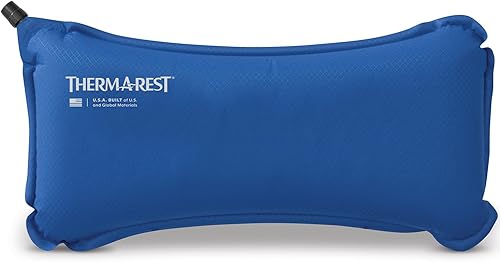 |  |  | 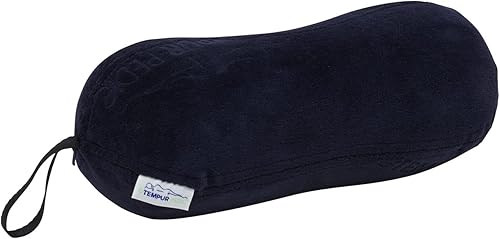 |  |  |  |  |  |  |
|---|---|---|---|---|---|---|---|---|---|---|
| Product | Therm-a-Rest Lumbar Travel | OPTP McKenzie AirBack | SMART TRAVEL Inflatable | Tempur-Pedic Travel Pillow | Wonder-Roll Self-Inflating | Vive Inflatable Cushion | Mixtrend Travel Lumbar | COCOON Ultralight AirCore | Travel Pal Therapeutic | H-Type Self-Pressing |
| Brand | Therm-a-Rest | OPTP | SMART TRAVEL Travel Products | Tempur-Pedic | Backwonder | Vive | Mixtrend | COCOON | Healthy Back | OULIGET |
| Best for | Best Overall | Runner-Up | Best for Secure Fit | Best for Pressure Relief | Best for Chronic Pain | Best for Durability | — | Best for Ultralight | — | — |
| The listing says | Die-cut foam relieves spinal pressure Valve adjusts firmness for customized support | Self-inflating compact travel pillow Deflates to fit in carry-on bags | 3D inflatable lumbar support pillow Suitable for airplane and office use | Versatile peanut-shaped cushion Compact and lightweight for travel | Supports spine to relieve back pain Promotes healthy posture and alignment | Includes integrated elastic strap Lightweight and includes travel bag | 35% Thermoplastic Polyurethane, 65% Memory Foam Lightweight portable design | Adjustable firmness for various seats Contoured shape supports lower back | Self-inflating and deflating valve Adjustable air and foam support | Ergonomic H-type design Self-pressing inflation valve |
| More information | Check Price on Amazon | Check Price on Amazon | Check Price on Amazon | Check Price on Amazon | Check Price on Amazon | Check Price on Amazon | Check Price on Amazon | Check Price on Amazon | Check Price on Amazon | Check Price on Amazon |
1. Therm-a-Rest Lumbar Travel Pillow
Best for: Travelers who want a balance of foam comfort and compact storage.
This cushion uses pressure-mapped die-cut foam to offer structural support while remaining lightweight. Because it’s self-inflating, you can open the valve to let it expand, then add or release air to change the firmness. It’s built to maintain spinal alignment in cramped airplane, train, or car seats.
The design is very compact, measuring only 4 x 7 inches when packed. This makes it a great choice for someone who travels with only a small carry-on bag or a backpack. At just 3.6 ounces, it adds negligible weight to your gear.
If you find yourself slouching during long workdays, use the valve to dial in the exact pressure needed for your specific chair. A common mistake is inflating the cushion to its maximum capacity immediately. Instead, start with less air and add small breaths until the foam meets the natural curve of your spine. If the cushion feels unstable, you have likely over-inflated it, preventing the foam from contouring to your back.
It isn’t for people who prefer a high-profile, rigid back support, as the foam core is designed for a more flexible, adaptive feel.
Good if:
- You want a product made in the USA.
- You need something that packs down small.
- You prefer adjustable firmness via an air valve.
Skip it if:
- You need a very thick, rigid cushion for severe back pain.
- You dislike the sensation of air-filled cushions.
2. OPTP The Original McKenzie Self-Inflating AirBack Travel Lumbar Support
Best for: Individuals who need a proven, ergonomic design for long-distance flights.
The AirBack is based on the McKenzie Method, which focuses on maintaining the natural curve of the spine. It’s a low-profile support specifically designed for prolonged sitting. You can blow into the valve to make it firmer or let it self-inflate for a gentler feel.
Because it’s only 2 inches deep when fully inflated, it’s best for those who want subtle support rather than a bulky pillow. It isn’t for travelers who want to lean back into a deep, plush cushion, as this is engineered strictly for lumbar positioning. If your seat already forces your shoulders forward, this support will only increase your discomfort. Use it only when you have enough room to maintain an upright posture.
To clean the material, use a cloth with warm water and mild soap. Rinse with clean water and ensure it’s completely air-dried before storing it in your carry-on or purse. If you fail to let it dry fully, the interior may trap moisture.
Good if:
- You prioritize ergonomic alignment over soft cushioning.
- You want a design approved by a physical therapist.
- You need a low-profile fit for tight airplane seats.
Skip it if:
- You want a soft, plush feel against your back.
- You need a large pillow to support your upper back as well.
- You prefer a support that requires no manual inflation adjustments.
3. SMART TRAVEL Inflatable Lumbar Support Travel Pillow
Best for: Someone who wants a secure fit that stays in place during a flight.
This pillow features an adjustable strap that keeps the cushion attached to the seat. This prevents the common problem of the support sliding down every time you shift your weight. It uses a hybrid construction with a foam core that draws in air to provide 3D support.
If you want the most ergonomic results, aim for 60–70% inflation. At this level, the pillow measures approximately 13.8″ × 7.9″ × 3.7″, which promotes natural S-curve alignment for your lower, mid, or upper back. Over-inflating the pillow creates a rigid surface that can cause pressure points; if you feel discomfort, release air until the cushion contours to your spine.
The material is waterproof and breathable, which helps keep you comfortable during long trips. It isn’t for someone who wants a purely memory foam feel, as the air-foam hybrid is designed to be easy to wipe clean.
Good if:
- You move around a lot and need a strap to keep the pillow steady.
- You want a surface that’s easy to wipe clean with a damp cloth.
- You prefer an inflatable that has some internal foam structure.
Skip it if:
- You find straps on airplane seats annoying to adjust.
- You want a very soft, pillow-like texture rather than firm, balanced pressure.
- You need to pack the smallest item possible, as the foam core makes it slightly bulkier than a pure air bladder.
4. Tempur-Pedic All-Purpose Memory Foam Travel Pillow
Best for: Travelers who want the consistent, pressure-relieving feel of memory foam.
This pillow uses the same TEMPUR material found in their mattresses. The unique peanut shape allows it to be used not just for the lumbar area, but also as a neck roll or leg spacer. It’s a solid foam piece, meaning it doesn’t inflate or deflate.
However, if you prioritize alignment over portability, this is the superior choice. Unlike inflatable models that require manual inflation, this material retains its shape indefinitely. You should choose this if you need reliable, long-term durability that survives heavy use.
Good if:
- You want the specific pressure-relief qualities of memory foam.
- You want a multi-purpose pillow for your neck and back.
- You prefer a product that never needs to be inflated.
Skip it if:
- You have very limited space in your carry-on bag.
- You prefer to adjust the firmness level of your support.
5. Wonder-Roll Self-Inflating
Best for: People who need a portable roll for sciatica or chronic pain.
The Wonder-Roll is designed to be folded or flattened to fit into a purse or briefcase. Like other self-inflating options, it uses an internal valve to draw in air, allowing you to control the firmness. It was developed with a physical therapist to help with lower back stiffness.
Because it’s a roll shape, it provides a very focused point of support. It isn’t for people who want a wide, flat cushion that covers the entire width of their lower back. If you experience discomfort from herniated discs or chronic pain, this focused pressure helps maintain your spine’s natural curve.
Use this cushion preventatively if you face long periods of sitting in office chairs, car seats, or on airplanes. If you feel strain or stiffness, open the valve to reach your preferred firmness.
Good if:
- You need a highly portable roll that fits in a small bag.
- You want a product with a medical-focused design history.
- You need to adjust firmness quickly while seated.
Skip it if:
- You prefer wide, flat lumbar support.
- You need upper back support as well.
6. Vive Inflatable Lumbar Support Cushion
Best for: Someone who wants a simple, versatile cushion with a guarantee.
This cushion includes an integrated elastic strap for securing it to seats and a travel bag for storage. It’s made of tear-resistant polyester, which is designed to handle frequent use without snagging or fraying. You can release air through the valve to find your preferred level of support.
The cushion is contoured to provide gentle pressure on the back. It isn’t for those who want a firm, rigid structure, as the air-based design is focused on gentle, adjustable comfort. If you require aggressive lumbar correction, look for a solid foam alternative instead.
When traveling, deflate the cushion completely to fit it inside a handbag or carry-on. This makes it an ideal choice for long flights or car rides where space is at a premium.
Good if:
- You want a 60-day unconditional guarantee period to ensure the cushion meets your comfort needs.
- You need a strap to keep the cushion in place on office chairs or stadium seats.
- You want a tear-resistant fabric for long-term use.
Skip it if:
- You need a very firm, stiff support structure.
- You prefer the dense, consistent feel of a memory foam interior.
7. Mixtrend Travel Lumbar Pillow Inflatable Lumbar Support Pillow with Memory
Best for: Those who want the softness of memory foam with the portability of air.
This hybrid pillow uses a mix of 65% memory foam and 35% thermoplastic polyurethane. The air valve allows for quick inflation, while the foam provides a soft, breathable surface. It’s designed to relieve lower back pain by supporting the spine’s natural curve.
It’s a good middle ground for those who dislike the “plastic” feel of pure inflatable cushions. Because it contains foam, it doesn’t pack down quite as small as the purely air-filled models. If you prioritize space above all else, choose a pure air cushion; if you prioritize comfort during long periods of sitting, the foam core is a good option.
The valve system lets you customize the firmness to your exact preference.
Good if:
- You want a soft, skin-friendly surface.
- You need to inflate it quickly during a flight.
- You prefer a hybrid of foam and air.
Skip it if:
- You need the absolute smallest packing size available.
- You want a firm, rigid support.
8. COCOON Ultralight Lumbar AirCore Pillow
Best for: The ultra-lightweight traveler who counts every ounce.
This pillow is designed for those who want structure only where they need it. The fabric shell is soft against the skin, and the inflatable core keeps the weight very low. It’s meant to be a simple, adjustable solution for planes, trains, and camping.
Because it’s so light and minimal, it lacks the dense, heavy support of a memory foam pillow. It isn’t for someone who wants to feel a solid, heavy-duty cushion against their lower back. If you require substantial, rigid bracing to prevent slouching, this inflatable model will feel too thin.
Good if:
- You want the lightest option possible.
- You need a soft, comfortable fabric shell.
- You travel frequently and need a simple, reliable tool.
- You prefer to fine-tune your support level by adjusting the air volume for specific seats like office chairs or airplane headrests.
Skip it if:
- You want a heavy, firm cushion.
- You need extra-wide support for your entire back.
- You prioritize permanent structure over portability.
When you finish your journey, release the air to compress the pillow into a fraction of its size. This makes it ideal for tight spaces like vehicle organizers or compact camping kits where bulky foam pillows would take up too much room.
9. Travel Pal Therapeutic
Best for: Travelers seeking long-term reliability and a lifetime warranty.
The Travel Pal uses a mix of air and foam to provide customizable support. You control the firmness by twisting the valve clockwise to inflate or counter-clockwise to deflate. Because you can stop inflation at any point, you can dial in the exact pressure that fits your spine’s natural curve.
It’s made of nylon Ripstop fabric, which is built to resist the specific wear and tear of transit. If the internal mechanism fails, the company offers a lifetime warranty to repair or replace the unit. This coverage applies for the life of the product, making it a permanent addition to your travel gear.
It’s a simple, effective design, but it doesn’t have the “peanut” shape or multi-use features of some other models. It isn’t for those who want a cushion that doubles as a neck pillow. If you need a versatile pillow that transitions from your lumbar to your neck, look elsewhere.
Good if:
- You want a product that’s covered by a lifetime warranty.
- You need durable, rip-resistant fabric.
- You want simple, effective self-inflation.
Skip it if:
- You want a multi-functional pillow for your neck and legs.
- You prefer a very soft, plush exterior.
10. H-Type Self-Pressing
Best for: Travelers who dislike blowing into valves to inflate their pillows.
This pillow features a unique self-pressing inflation valve. You simply press the valve to inflate the pillow, which avoids the need to use your breath. The H-type shape is meant to wrap around your waist to provide more side support than a standard flat cushion. It conforms to the S-shaped curve of your spine to distribute pressure and absorb impact.
The milk silk fabric is designed to be soft and skin-friendly. If you find your current cushion slips, look for the composite adhesive edge technology that keeps the seams firm. This anti-leakage device is what prevents the pillow from going flat during long flights or office shifts.
It isn’t for those who prefer a traditional, rectangular lumbar shape. The wrap-around H-design feels different from a standard back cushion, as it’s built to cradle the waist rather than just sit behind it.
Good if:
- You don’t want to blow air into your cushion manually.
- You like the idea of side-wrapping support.
- You want a very soft, skin-friendly fabric surface.
Skip it if:
- You prefer a traditional, simple rectangular pillow.
- You have limited space for a uniquely shaped cushion.
- You require a rigid support structure rather than an inflatable one.
Where These Overlap
Many of these products occupy the same space in terms of function and design. The majority of these cushions use a self-inflating mechanism, meaning they rely on a foam core to expand when the valve is opened. The listing doesn’t mention the Vive Inflatable Cushion has a foam core or self-inflating mechanism. They all prioritize portability and adjustable firmness through air control.
The main difference between these is the material used on the exterior and the specific shape of the cushion. Some, like the Mixtrend Travel Lumbar, use memory foam to create a softer feel, while others like the COCOON Ultralight AirCore focus on being as light as possible. The choice between these often comes down to personal preference for the texture of the fabric or the specific ergonomics of the shape.
If two products seem identical on paper, focus on the presence of a strap or the warranty. An adjustable strap is vital for airplane seats or office chairs to prevent the cushion from slipping while you shift. Without it, you’ll spend your travel time readjusting the pillow.
Check the warranty terms before purchase. While some options like the Travel Pal offer a lifetime guarantee, others provide limited windows, such as the 60-day guarantee from Vive.
Finally, consider the inflation method. While most use a valve, newer designs like the H-Type feature self-pressing inflation that requires no manual blowing. If you struggle to reach the valve or prefer speed, look for these specific inflation systems rather than standard twist-valves.
Still Not Sure?
How often will I really use it?
If you travel only once or twice a year, a simple option like the Vive Inflatable Cushion is likely sufficient. It provides the basic support you need without a large investment in space or weight. However, if you’re a business traveler who spends every week on a plane, you should look for something more durable, such as the Travel Pal Therapeutic, which offers a lifetime warranty. Frequent use puts stress on valves and seams, so a product built for durability is a better long-term choice.
What do I already own that this has to work with?
Think about your current carry-on bag setup. If you usually travel with a fully packed backpack, a bulky memory foam option like the Tempur-Pedic Travel Pillow will be difficult to fit. In this case, you need an inflatable or self-inflating model like the Therm-a-Rest Lumbar Travel that can be squashed into a small corner. If you have plenty of room in your luggage, you can prioritize comfort and choose a solid-foam pillow that doesn’t require any inflation or adjustment before you sit down.
What am I most likely to regret choosing?
The most common regret is choosing a support that’s too thick for your specific chair. Airplane seats vary greatly in depth, and a cushion that’s too deep will push you too far forward, causing you to slouch or hunch over your tray table. If you’re unsure, an adjustable model like the OPTP McKenzie AirBack is safer. Because you can control the amount of air inside, you can fine-tune the depth of the cushion to match your seat, ensuring you don’t end up with a support that feels like it’s pushing you out of your chair.
Choosing between a compact, inflatable cushion and a plush memory foam model depends on your travel priorities. If you value portability, start with the Therm-a-Rest Lumbar Travel. For long-term pressure relief, the Tempur-Pedic is ideal. Compare these two options against your personal packing habits to finalize your purchase.