
Choosing the right support after shoulder surgery means balancing comfort with the need to keep your arm and shoulder in a safe, healing position. You’re essentially choosing between general headrest pillows for recliner chairs and specialized orthopedic arm supports designed to prevent movement during recovery.
Best overall: Head Recliner Pillow offers a versatile shredded memory foam core that allows for personalized loft, making it an excellent choice for users needing both neck alignment and head support while reclining. Best for arm elevation: Post Shoulder Surgery Pillow includes a detachable velcro strap to keep the pillow securely under your arm, which helps maintain proper positioning without needing to hold it manually. Best for stability: Head Stabilizer Support creates a U-shaped cradle that keeps your head and neck steady, which is ideal if you struggle with drooping or tilting while resting in a chair.
This guide is for anyone managing post-operative recovery or chronic shoulder pain who needs reliable, supportive equipment for their recliner.
How We Picked
To be included, a product had to clearly state its filling materials, dimensions, and specific attachment mechanisms, such as straps or non-slip designs. We looked for features like machine-washable covers, adjustable loft, and ergonomic shapes that assist in maintaining proper body alignment. Products were excluded if they lacked clear information about their stability features or if their primary purpose was purely decorative rather than supportive.
All 10 products side by side — scroll sideways to see every column.
| Top Pick | Best for Arm Elevation | Best for Arm Support | Best for Non-Slip Use | Best for Head Stability | Best for Neck Contouring | Best for Thumb Support | Best for Ergonomic Shape | Best for Compact Use | ||
| Preview |  |  |  | 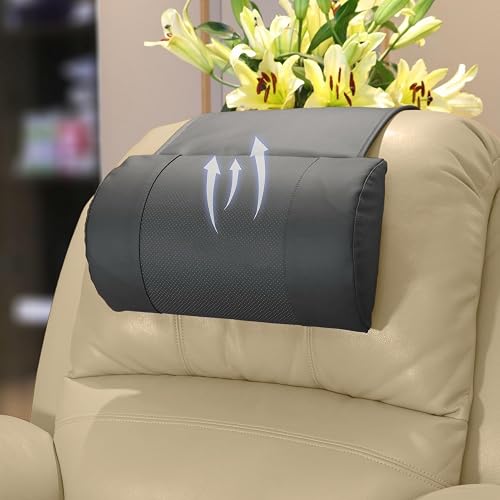 |  | 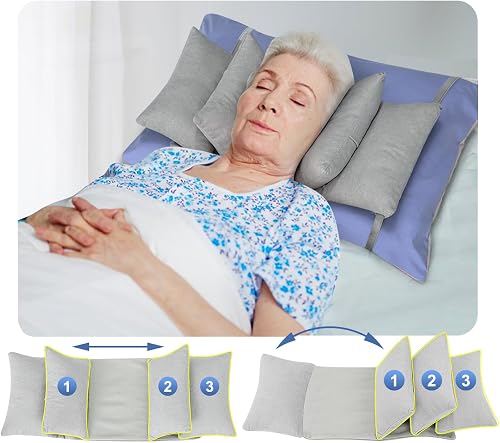 |  |  |  |  |
|---|---|---|---|---|---|---|---|---|---|---|
| Product | Head Recliner Pillow | Post Shoulder Surgery Pillow | Shoulder Surgery Recovery Pillow | Non-Slip Recliner Pillow | Recliner Headrest Pillow | Head Stabilizer Support | B-Shaped Recliner Pillow | Adjustable Strap Surgery Pillow | Memory Foam Recliner Pillow | Soaoo Arm Support Pillow |
| Brand | SofGlowly | lianjindun | TranquilZone | AmazeCov | AHUAWA | Mybow | EPHEDORA | MOYOAMA | JZHLLA | Soaoo |
| Best for | Top Pick | Best for Arm Elevation | Best for Arm Support | Best for Non-Slip Use | — | Best for Head Stability | Best for Neck Contouring | Best for Thumb Support | Best for Ergonomic Shape | Best for Compact Use |
| The listing says | Adjustable strap for recliner stability Shredded memory foam for neck support | Detachable velcro strap for secure fit Plush duvet cover with zipper design | Supports shoulder, arm, bicep, and elbow W-shaped design measures 23.5 x 14 x 6 inches | Faux leather cover with memory foam Measures approximately 23” x 15.7” x 4.3” | Velvet fabric with breathable support Removable lining with pearl cotton fill | U-shaped cradle attaches to existing pillows Three movable cushions for custom fit | B-shaped memory foam contour Adjustable stabilizer strap for positioning | Supports neck, shoulder, and arms Includes thumb support and adjustable straps | Ergonomic shape prevents head tilting Adjustable buckle straps and anti-slip dots | Requires 24 hours to expand Filled with soft polypropylene fiber |
| More information | Buy on Amazon | Buy on Amazon | Buy on Amazon | Buy on Amazon | Buy on Amazon | Buy on Amazon | Buy on Amazon | Buy on Amazon | Buy on Amazon | Buy on Amazon |
1. Head Recliner Pillow
Best for: Daily neck and shoulder comfort in any recliner.
This pillow stands out for its adjustable shredded memory foam filling, which lets you add or remove material to reach your preferred firmness. Its extended anti-slip bottom helps it stay put on most chair surfaces, which is helpful if you move around while sleeping or resting.
If you find the pillow feels too firm or lacks the right loft, unzip the inner cover to remove foam. Conversely, add more filling if you need extra support for spinal alignment. You can tell if you have the right amount when your head and neck feel neutral while lying down.
The 23-inch by 15.7-inch size provides a wide surface area for head and neck support. It isn’t designed for direct arm or shoulder elevation, so you may need an additional support pillow if your surgeon requires your arm to be propped up specifically.
- Pros:
- Adjustable shredded memory foam loft
- Extended anti-slip bottom design
- Includes convenient storage pockets
- Cons:
- Not for arm elevation
- Requires manual foam adjustment
2. Post Shoulder Surgery Pillow
Best for: Keeping the arm elevated and stable.
This pillow features a unique detachable velcro strap that fixes the cushion under your shoulder. When sitting or standing, the strap secures the pillow so you don’t have to hold it in place. If you’re a side sleeper, wrap the strap around your shoulder to prevent the pillow from shifting during the night.
The plush cover is soft against sensitive skin, and the firm inner filling provides the necessary support for rotator cuff recovery. Because it’s designed for arm support, it works well for side sleepers who need to cushion their injured side. Use this pillow to take pressure off your arm and shoulder, which helps improve blood flow and promotes faster recovery.
It isn’t intended for head or neck support. You’ll need a separate pillow for your head while using this to support your arm. If the pillow feels loose, readjust the velcro strap to ensure it stays snug against your body. When the fabric becomes soiled, simply unzip the cover and machine wash it to maintain hygiene. Once your shoulder is fully healed, the pillow remains a practical household item.
- Pros:
- Includes secure velcro straps
- Machine-washable plush cover
- Firm, supportive inner filling
- Cons:
- No head support
- Strap requires careful adjustment
3. Shoulder Surgery Recovery Pillow
Best for: Rotator cuff and arm positioning.
The W-shaped ergonomic design of this pillow is built to cradle the arm, bicep, and elbow, making it easy to find a comfortable angle for resting. Its hollow fiber filling offers a plush feel that’s gentle on sore areas while still keeping your arm in a stable, elevated position. Measuring 23.5 x 14 x 6 inches, the shape provides multi-angle support whether you’re sitting upright or lying down.
If you’re a side sleeper, position the pillow to nestle against your chest to keep the shoulder joint from collapsing inward. If you’re sitting, place it under the affected arm to prevent the weight of the limb from pulling on the surgical site.
The micro plush cover is removable and machine-washable, which is convenient for keeping your recovery gear clean. It isn’t suitable for users who need a firm, rigid structure, as the soft fiberfill is designed primarily for comfort rather than bracing. The listing doesn’t mention X.
- Pros:
- Ergonomic W-shaped support
- Machine-washable velour cover
- Gentle, plush fiberfill
- Cons:
- Soft filling lacks rigidity
- No straps for attachment
4. Non-Slip Recliner Pillow
Best for: A secure, stable fit on leather chairs.
This pillow uses a faux leather exterior and memory foam core, which provides a resilient surface. The anti-slip particle design on the back ensures it stays firmly attached to your recliner, even if the chair material is smooth or slick. If you find the pillow shifting, ensure the textured backing is pressed firmly against the chair surface to engage the grip.
The perforated leather design helps with breathability, keeping your neck area cool during long periods of use. Measuring 23” x 15.7” x 4.3”, it’s sized to provide consistent support across various surfaces, including massage chairs, sofas, and car seats.
It isn’t meant for direct arm support, so it’s best used in combination with a dedicated arm elevation pillow if your recovery requires it. To maintain the material, simply wipe the surface with a damp cloth. Avoid submerging it in water, as the faux leather finish requires only a light touch to remain pristine.
- Pros:
- Breathable perforated design
- Durable faux leather cover
- Strong non-slip backing
- Cons:
- Wipe-clean only cover
- No arm support features
5. Recliner Headrest Pillow
Best for: Personalized comfort in different chair types.
This velvet pillow offers a soft, breathable feel and includes a dual-zipper design for easy access to the pearl cotton stuffing. You can easily add or remove filling to change the loft, which is helpful if you need a specific height for your head or neck. If you find the pillow too firm for your neck, remove a small amount of cotton until the support matches your natural posture.
The weighted back flap provides extra stability to prevent the pillow from sliding down your chair. This leather-fabric composite flap acts as a counterweight, ensuring the 23 x 15.8-inch cushion remains positioned correctly even when you shift your weight. It isn’t designed to support the weight of an arm or heavy items, so it should be used strictly for head and neck relief.
- Pros:
- Adjustable pearl cotton fill
- Weighted anti-slip back flap
- Soft velvet fabric
- Cons:
- Not for arm support
- Requires manual stuffing adjustment
6. Head Stabilizer Support
Best for: Preventing head tilting after surgery.
This stabilizer attaches to your existing pillow and uses a U-shaped cradle to keep your head upright and steady. It’s highly customizable, with three movable cushions that you can arrange to fit your specific head size and recovery needs.
If you’re using this for post-surgery recovery, prioritize a tight, snug fit to prevent any unsafe rolling during sleep. If you’re instead using it in a recliner to stop head drooping, focus on aligning the cushions to support your specific neck angle. Users often make the mistake of leaving the cushions too loose, which allows the head to shift; ensure the hook-and-loop bottoms are pressed firmly into the base.
The two 47.5-inch straps allow you to secure the stabilizer to almost any high-back chair or wheelchair. It isn’t a standalone pillow, meaning it must be used in conjunction with your own headrest for the best results.
- Pros:
- Customizable U-shaped cradle
- Secure long attachment straps
- Machine-washable components
- Cons:
- Requires an existing pillow
- Complex initial setup
7. B-Shaped Recliner Pillow
Best for: Neck contouring and ergonomic alignment.
The unique B-shaped memory foam contour supports your neck while you lean back, providing a stable surface for reading or watching TV. You can turn the pillow upside down for a different support angle, which gives you two distinct ways to find comfort. If you need your head held farther forward, use the inverted position.
The included stabilizer strap keeps the pillow positioned against the chair. Use this strap to lock the pillow into your preferred resting height. If the pillow slips, tighten the strap until it remains firm against the headrest.
Don’t use this pillow for arm elevation. When it first arrives, the foam is roll-packed and vacuum-compressed. Leave the pillow uncompressed for 24–48 hours to reach its final profile. Assessing the shape before this window passes will result in a false impression of the foam’s density.
To clean, unzip the Slate plush cover and remove the foam core. Only machine wash the fabric cover, as the memory foam itself must never enter the washing machine.
- Pros:
- Two-sided B-shaped contour
- Adjustable stabilizer strap
- Machine-washable plush cover
- Cons:
- Requires expansion time
- No arm support
8. Adjustable Strap Surgery Pillow
Best for: Customizing firmness during recovery.
This pillow fits snugly under either armpit to provide targeted relief for the neck, shoulder, and arm. It includes integrated thumb support and adjustable straps to ensure the pillow stays in place while you’re sitting or sleeping. This stability is vital for those who must minimize arm movement to protect a rotator cuff or bursitis injury.
The zippered design allows you to modify the internal filling to reach your preferred level of firmness. If you find the support too rigid, remove a small amount of fill; if it feels unstable, add more to ensure the arm remains elevated.
Use the pockets on both sides to store essentials within reach. This feature prevents the unnecessary reaching or twisting that often irritates healing tissue. Because the pillow is machine-washable, you can maintain hygiene throughout your recovery journey.
- Pros:
- Thumb support included
- Fully adjustable straps
- Easy to adjust firmness
- Convenient side pockets
- Cons:
- No head support
- Requires strap management
9. Memory Foam Recliner Pillow
Best for: Consistent, high-density support.
Filled with high-density memory foam, this pillow resists collapsing and provides steady support for your head and neck. The adjustable buckle straps and anti-slip dots keep it firmly attached to your chair so it doesn’t shift while you’re napping or sitting. If your chair has a tall back, use the adjustable straps to ensure the pillow sits directly against your cervical curve to eliminate shoulder suspension.
The milk-silk cover is breathable, which helps prevent overheating during extended use. It isn’t designed for arm elevation, so it should be used to support your posture rather than an injured limb. When your package arrives, the pillow will be vacuum-compressed. You must let it sit for 48 to 72 hours to fully regain its shape. If you use it before this expansion period, the foam won’t provide the intended resilience or pressure distribution.
- Pros:
- High-density memory foam
- Breathable milk-silk cover
- Buckle straps for security
- Cons:
- No arm support
- Requires 48-72 hours to expand
10. Soaoo Arm Support Pillow
Best for: Compact arm and shoulder relief.
This pillow features a central slit that allows your arm to rest comfortably, while the raised sides provide firm support to reduce swelling and tension. At 17 by 10 inches, it’s a compact option that’s easy to move between your chair and bed.
It’s made from synthetic fiber for softness and shape retention. It isn’t designed for head support, so it’s best used as a dedicated prop for your arm or shoulder during the recovery process.
If you need the pillow immediately, don’t use it straight out of the vacuum-sealed packaging. It requires 24 hours to fully expand. You can bypass this wait by beating the fabric or basking it in the sun to accelerate the restoration process.
- Pros:
- Compact, portable size
- Ergonomic central slit
- Soft, shape-retaining fiber
- Cons:
- No head support
- Requires restoration time
Use this for targeted recovery. While the design works for legs or arms, it’s specifically engineered to alleviate pressure and strain in the shoulders and hands. Don’t attempt to use it for neck or head support, as the central slit provides no stability for those areas.
How to Choose in Sixty Seconds
Which difference actually matters for recovery?
The most important factor is whether you need support for your head or your arm. If you’re struggling with head drooping or neck pain, a headrest pillow like the Head Recliner Pillow is best. However, if your surgeon has instructed you to keep your arm elevated or immobilized, you must choose a specialized arm support like the Post Shoulder Surgery Pillow. These arm pillows are specifically sized to keep the shoulder in a neutral position, which helps with blood flow and reduces strain on the rotator cuff. Always follow the specific instructions from your healthcare provider regarding limb positioning, as the NHS guide on shoulder surgery recovery emphasizes the importance of following professional advice for successful healing.
What should I look for before ordering?
Check the attachment method of the pillow. If you have a leather or smooth-fabric recliner, look for models with anti-slip backing or adjustable straps, such as the Non-Slip Recliner Pillow or the Memory Foam Recliner Pillow. If you’re using these in a shared space, ensure the cover is machine-washable. Also, check the dimensions to ensure the pillow matches the size of your chair’s headrest or your body’s proportions. If a pillow arrives vacuum-compressed, plan to let it expand for the full time stated in the listing—usually 24 to 72 hours—before you try to use it for support.
Should I get a memory foam or fiber-filled pillow?
Memory foam, found in the B-Shaped Recliner Pillow, offers a firmer, more contouring support. This is better for those who need consistent, rigid support for alignment. Fiber-filled options, like the Shoulder Surgery Recovery Pillow, offer a softer, plush feel that’s often more comfortable for resting or sleeping. Fiber-filled pillows are generally lighter and easier to move, but they may need to be fluffed periodically to maintain their loft. If you’re sensitive to heat, look for perforated or breathable covers, as memory foam can sometimes trap body heat during long periods of use.
Resting comfortably after shoulder surgery requires the right combination of support and stability. For general head and neck comfort, the Head Recliner Pillow is our top pick due to its adjustable loft and secure design. If your priority is keeping your arm elevated and immobile, the Post Shoulder Surgery Pillow provides the best targeted support with its secure strap system. Both products are excellent for creating a manageable, pain-relieving environment as you recover. Once you have chosen your preferred support, make sure to set it up in your favorite recliner well before you need it, and take the time to adjust the straps or filling so it’s perfectly fitted to your body.
Frequently Asked Questions
What does the pillow have to work with during recovery?
Recovery pillows are designed to work with your existing chair or bed pillows. Some models like the Head Stabilizer Support attach to your current pillow for stability, while others like the Post Shoulder Surgery Pillow act as standalone supports. Ensure the surface you attach these to is clean and stable.
What does owning these pillows ask of the buyer?
Most recovery pillows feature removable, machine-washable covers for easy maintenance. While the covers are washable, the internal memory foam must be kept dry. If your pillow arrives vacuum-sealed, allow it to fully expand before use, and occasionally adjust the filling in models like the Recliner Headrest Pillow to maintain comfort.
What goes wrong first with these pillows?
Brands include anti-slip backing or buckle straps to prevent pillows from slipping during use. If the pillow flattens, regularly fluffing the fiber filling or adding more foam to adjustable models like the Head Recliner Pillow helps maintain support. Handle zippers and fabric covers gently during washing to prolong the product’s life.
Is the simplest pillow on the list enough?
Simple arm supports like the Soaoo Arm Support Pillow are sufficient for soft, elevated resting. However, if your doctor requires fixed positioning to prevent movement, a complex pillow with straps like the Adjustable Strap Surgery Pillow is necessary. Choose based on whether you need general relaxation or strict post-surgical immobilization.
Conclusion
Finding the right setup will make your recovery much smoother while you rest. Don’t hesitate to bring your favorite pillow to your next physical therapy session so your therapist can check if it’s positioned correctly. You’ll feel much better once you’ve got a stable, cozy spot to heal in each day.