
The best pillow for recovery after shoulder surgery depends on whether you need full-body elevation or targeted arm positioning. While some options offer modular wedges for back-sleeping at an incline, others focus on bracing the arm to prevent movement. Your surgeon’s specific movement restrictions will dictate which design is safest for you.
Best overall: Lunix LX13 Wedge Set, which provides a flexible modular system to adjust your incline throughout the weeks of recovery. Best for targeted support: Shoulder Rotator Cuff Pillow, which uses a specific shape to cradle the arm and shoulder area. Best for side sleepers: Ergonomic Arm Hole Pillow, which features a dedicated channel to remove pressure from the rotator cuff.
This guide is for anyone preparing for shoulder surgery who needs to optimize their sleep environment.
How We Picked
We compared 48 different Amazon listings to find products that specifically address post-surgical recovery needs. To make our list, a product had to provide clear information on its materials, dimensions, and intended use case. We excluded items that lacked clear descriptions of their support structure or had ambiguous cleaning instructions. Our focus remained on features that directly impact comfort, such as adjustable straps, machine-washable covers, and specific foam densities.
All 10 products side by side — scroll sideways to see every column.
| Top Pick | Best for Bicep Support | Best for Custom Postures | Best for Sleeping Comfort | Best for Arm Elevation | Best for Side Sleepers | Best for Upper Body | Best for Arm Stability | Best for Airflow | ||
| Preview |  |  |  |  |  |  |  |  | 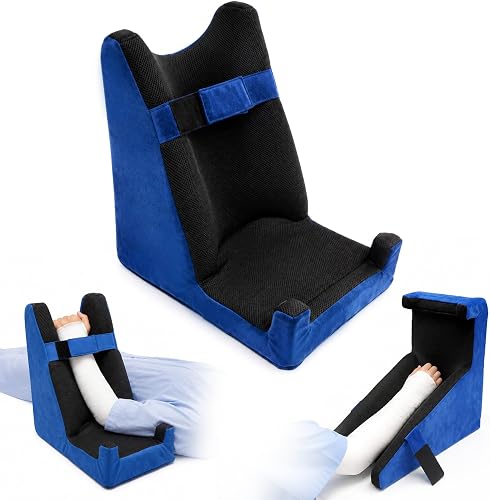 |  |
|---|---|---|---|---|---|---|---|---|---|---|
| Product | Lunix LX13 Wedge Set | Shoulder Rotator Cuff Pillow | 6-Piece Orthopedic Wedge Set | Post Surgery Arm Pillow | Arm Elevation Wedge Pillow | Ergonomic Arm Hole Pillow | Shoulder Relief Pillow System | Vekkia 2-Piece Wedge Set | 2-in-1 Arm Elevation Pillow | Cooling Cover Surgery Pillow |
| Brand | Lunix | Cheer Collection | Yojoker | MOYOAMA | TBXONMOW | MONSAO | SilverTrix | Vekkia | CRAURU | Muwago |
| Best for | Best Overall | Best for Bicep Support | Best for Custom Postures | Best for Sleeping Comfort | Best for Arm Elevation | Best for Side Sleepers | — | Best for Upper Body | Best for Arm Stability | Best for Airflow |
| The listing says | Adjustable stack angles for recovery stages Supports back sleeping after shoulder surgery | Supports shoulder, bicep, or elbow W-shaped, 23.5 x 14 x 6 inches | Six-part customizable orthopedic wedge set Supports multiple postures for recovery | Provides neck, shoulder, and arm relief Includes thumb support and adjustable straps | Grooved center for stable arm support High-density foam for muscle stress relief | Hollow arm channel reduces pressure 3-5 second slow rebound memory foam | Integrated shoulder and J-shaped body pillow Shoulder pillow features built-in arm tunnel | 7-in-1 adjustable foldable wedge design Wide high-density foam surface | Grooved cradle with anti-slip base Includes adjustable arm strap | Ergonomic shape with cooling fabric cover Promotes airflow for recovery comfort |
| More information | Price on Amazon | Price on Amazon | Price on Amazon | Price on Amazon | Price on Amazon | Price on Amazon | Price on Amazon | Price on Amazon | Price on Amazon | Price on Amazon |
1. Lunix LX13 Bed Wedge Pillow Post Surgery Set
Best for: Patients needing a full-body incline setup.
This set uses six modular pieces to help you stay in a semi-reclined position. You can stack them against your headboard to maintain an incline, which is often recommended for sleeping after shoulder surgery. The foam is CertiPUR-US certified, and the covers meet OEKO-TEX standards for safety.
Because the set is large, it requires significant storage space when not in use. You must unpack the foam 48 to 72 hours before your surgery to allow it to fully expand. If you wait until the day of your operation to open the box, the compressed foam won’t provide the necessary support for your recovery.
This product isn’t for someone looking for a small, portable pillow, as the footprint is quite substantial. Plan for real closet space, as these pieces take up room even when stored in the two provided compression bags. If you need to raise your legs rather than your back, you can split the stack to serve that purpose.
Pros
- Modular design for adjustable heights.
- Includes gel pack for therapy.
- Certified foam and cover materials.
Cons
- Requires large storage area.
- Long expansion time needed.
2. Shoulder Rotator Cuff Pillow
Best for: Side sleepers needing gentle arm support.
The W-shape of this pillow is designed to cradle your arm and shoulder, preventing the joint from dropping during the night. It measures 23.5 x 14 x 6 inches, providing a consistent surface for your limb. The micro plush cover is removable and machine washable, which helps maintain hygiene during your recovery period.
If you’re choosing between this and a full-body wedge, look at your mobility needs. This pillow is specifically for users who need to keep their arm in a neutral, supported position while resting. It doesn’t provide the full-body elevation found in larger wedge systems. If you require rigid immobilization to prevent any movement, this soft support accessory isn’t the correct choice. You should use this if you need comfort and gentle positioning, but seek a medical brace if your doctor has ordered complete joint stabilization.
Pros
- Ergonomic W-shape design.
- Machine-washable velour cover.
- Compact and easy to move.
Cons
- No full-body elevation.
- Not an immobilization device.
3. 6pcs Orthopedic Bed Wedge Pillow Set
Best for: Users needing versatile support for multiple body parts.
This set offers 16 different combinations to help you find a comfortable position for sleeping or reading. The memory foam adapts to your body shape, which can help relieve pressure on your neck and shoulders. It includes two vacuum bags to make storage easier when you aren’t using all the pieces.
If you struggle with acid reflux or GERD, position the wedges to elevate your torso. If you’re recovering from surgery, use the leg-specific pillows to improve circulation and reduce swelling. You can even repurpose the leg pillows as a small table for reading.
The system is quite extensive, which provides many options but may be overwhelming to set up initially. If you have limited bed space, you might find the six-piece configuration cumbersome to manage throughout the night.
It’s designed to assist with posture, but the manufacturer notes that it isn’t a medical device. This set isn’t for those who want a simple, one-piece solution for their recovery. Always consult a healthcare professional if your pain persists.
Pros
- Highly customizable configurations.
- Breathable, washable covers.
- Includes useful storage bags.
Cons
- Complex initial setup.
- Occupies significant bed space.
4. Post Surgery Arm Pillow
Best for: Individuals needing a secure arm cradle.
This pillow fits snugly under your armpit to provide continuous support during healing. It features adjustable straps and thumb support to help keep the pillow in place while you sleep. The inclusion of storage pockets on both sides allows you to keep small essentials within reach.
If you struggle to reach for items, use these pockets to store your phone or medication. This eliminates the need for reaching or twisting your torso, which protects your surgical site from strain. If you’re a side sleeper, position the pillow to keep your arm neutral and prevent shoulder rotation.
The design is focused on the arm and shoulder area, making it very effective for targeted relief. However, it doesn’t provide back support or elevation for the rest of your body. If you require a propped-up position to manage breathing or reflux, you must pair this with a wedge pillow. Relying on this support alone will leave your torso flat, which may cause discomfort if your surgeon requires an upright recovery position.
Pros
- Secure fit with straps.
- Convenient side storage pockets.
- Adjustable firmness via zipper.
Cons
- Doesn’t elevate torso.
- Focused only on arm.
5. Arm Elevation Wedge Pillow
Best for: Reducing swelling through arm elevation.
The grooved center section keeps your arm stable, preventing it from swaying while you sleep. By maintaining an elevated position, it assists with blood circulation and manages post-surgical swelling. The high-density foam provides firm support without flattening, which reduces stress on your joints and muscles.
You can determine if this is the right tool by checking your specific recovery needs. If you require stabilization for an arm, wrist, or elbow after surgery, the 30-degree angle provides the necessary elevation. However, if you need a pillow for head or back support, this model isn’t designed for those areas.
Always account for the vacuum-sealed packaging when planning your recovery. You must allow 24 to 48 hours for the foam to expand to its full 15.57“ x 9.4” x 7.9” size before your first use. Attempting to use it immediately will result in insufficient support.
Pros
- Stable grooved design.
- High-density, durable foam.
- Breathable flannel cover.
Cons
- Limited to arm support.
- Requires expansion time.
6. Ergonomic Arm Hole Pillow
Best for: Side sleepers who want to avoid arm numbness.
The unique hollow arm channel allows you to slide your arm underneath the pillow, which prevents the pressure that often leads to numbness. It uses memory foam with a 3-5 second rebound time to contour to your head and neck. The package even includes an extra cooling pillowcase for better temperature control.
If you wake up with shoulder soreness, use the side channels to cradle your arm and dissipate pressure on your rotator cuff. If you prefer sleeping on your back or stomach, you can fold the pillow to provide support for your knees or legs.
This pillow is shaped to support the neck and shoulders specifically. It isn’t designed to provide the high-angle incline that some surgeries require for the upper body. It isn’t for someone who needs to keep their arm strictly immobilized in a sling.
Pros
- Clever arm channel design.
- Includes extra cooling case.
- Good pressure relief.
Cons
- Not for torso elevation.
- Minimal arm immobilization.
7. Shoulder Relief Pillow System
Best for: Coordinated head, neck, and arm support.
This system combines a wedge-shaped shoulder pillow with a J-shaped body pillow. The shoulder pillow features an arm tunnel to keep your lower arm safe and comfortable throughout the night. You can also adjust the amount of shredded memory foam in the J-pillow to change the firmness.
If you wake up with numbness in your arm, place the lower arm inside the built-in tunnel to prevent compression. If you find the J-pillow too high or low for your neck, remove or add the shredded foam until your spine rests in a neutral position.
Because this is a two-piece system, it takes up a large portion of the bed. It’s best for those who have enough room to accommodate both pieces comfortably. If you share your bed with a partner, you may find the footprint too intrusive. This isn’t for people who prefer a minimalist, single-pillow setup.
Pros
- Integrated full-body support.
- Adjustable foam loft.
- Cooling fabric cover.
Cons
- Large bed footprint.
- Multiple pieces to manage.
8. Vekkia 2PCS Wedge Pillow Set
Best for: Simple, effective upper-body elevation.
This dual-component set features a foldable design that allows you to adjust your incline easily. The wide surface supports your back and arms, which is helpful for those who need to remain upright. The velvet cover is machine washable and designed to resist snagging.
If you’re recovering from shoulder surgery, use the incline to ease pressure on your torso. If you struggle with acid reflux or GERD, position the wedge to keep your upper body elevated throughout the night.
The headrest is low-profile, which is meant to follow the neck curve without the bulk of traditional wedges. Avoid using this if you require a complex, multi-part system to support your legs and arms simultaneously. It isn’t a medical device, so it should be used for comfort rather than as a primary treatment. Always consult a healthcare professional regarding your specific recovery needs.
Pros
- Simple, versatile design.
- Stable, wide foam base.
- Washable velvet cover.
Cons
- Not a medical device.
- Limited elevation angles.
9. 2-in-1 Arm Elevation Pillow
Best for: Stable arm support and swelling control.
This pillow uses a curved design to keep the arm steady and elevated above the heart. It includes adjustable straps and an anti-slip base to ensure it stays where you place it. The high-density 35D foam is built to resist sinking, protecting you from secondary injury.
If you find your arm slipping during sleep, attach the adjustable strap to lock your limb in place. You can detach it freely if you prefer more freedom while awake. The unit measures 9.8×15.7×16.5 inches, making it portable enough for use on sofas or chairs.
Pros
- Adjustable strap stability.
- High-density support foam.
- Portable size.
Cons
- Only supports the arm.
- Requires time to expand.
10. Cooling Cover Surgery Pillow
Best for: Temperature regulation during recovery.
The cooling fabric cover is the standout feature here, helping to keep the area comfortable and dry. It includes three stabilizing elements to keep the pillow in place and even features a pocket for hot or cold compresses. This makes it a very practical choice for managing local discomfort.
If you’re recovering from rotator cuff tears or biceps injuries, use the included forearm sling model to better stabilize the limb. You can disassemble and reassemble the unit to switch between the left and right arms as needed.
The pillow is designed to be worn or positioned for the arm, so it doesn’t provide torso elevation. It’s very easy to clean, as the cover and insert are separate. It isn’t for users who need a large wedge to support their back while sleeping.
Pros
- Effective cooling fabric.
- Includes compress pocket.
- Adjustable straps for fit.
Cons
- No back support.
- Not for torso elevation.
How to Choose in Sixty Seconds
Which type of pillow is best for my surgery?
If your surgeon requires you to sleep at an incline, a multi-part wedge system like the Lunix LX13 Wedge Set is essential. These allow you to adjust your angle weekly, which is useful for managing long-term recovery. If you’re mainly concerned with preventing your arm from moving or reducing swelling, an arm elevation pillow like the 2-in-1 Arm Elevation Pillow is more appropriate.
Always confirm with your medical team whether you need to elevate your entire torso or just the affected limb. If you choose a modular set, unpack it 48 to 72 hours before your surgery, as vacuum-compressed foam requires this time to fully expand. Proper positioning is crucial for post-operative recovery success, as it helps minimize unnecessary strain on the surgical site while you sleep.
Should I prioritize memory foam or hollow fiber?
Memory foam provides firm, consistent support that holds its shape, which is often preferred for stability after surgery. It contours to your body and keeps your arm or back in a fixed position. Hollow fiber is designed to be breathable, which can be more comfortable if you tend to get warm at night.
If you need strict support to avoid moving your shoulder, choose high-density memory foam, which prevents the arm from wobbling during the night. If your priority is soft, breathable comfort and you have fewer movement restrictions, hollow fiber may feel better. When selecting, check for machine-washable covers with hidden zippers, as keeping your recovery accessories clean is vital throughout the healing process.
Do I need a set or just one pillow?
Sets featuring a variety of interchangeable components offer the most flexibility, allowing you to use them for your back, legs, or arm as needed. They’re ideal if you plan to spend a lot of time in bed and want to switch between sitting up and lying down. However, these sets require significant closet space for storage once you recover.
If you have limited space or only need support for your arm, a single-purpose pillow is much easier to manage. A single pillow is also easier to take with you if you move from the bed to a chair. Consider how much space you have in your bedroom before ordering a large multi-piece set. If you choose a single arm pillow, look for one with adjustable straps to ensure it stays securely in place.
Frequently Asked Questions
What should I look for in a pillow cover?
A removable, machine-washable cover is essential for maintaining hygiene during your recovery. Look for soft, cooling fabrics that dissipate heat for comfort during long periods of use. Always check manufacturer care instructions, as some high-density foams cannot be submerged in water.
How do I know if the foam is firm enough?
High-density 35D foam is the best choice for post-surgery support because it resists sagging. This material keeps your arm in a stable, fixed position to prevent wobbling. If you are concerned about firmness, look for pillows with adjustable straps to secure your position.
Is the simplest pillow enough for my needs?
A dedicated arm pillow is often sufficient for keeping your shoulder stable throughout the night. You may not need a complex set unless your surgeon requires a high incline. If you also need to manage back pain or acid reflux, a larger wedge set is a better investment.
What happens if the pillow is the wrong size?
Most post-surgery pillows fit the average adult, but dimensions vary significantly between models. For a larger frame, look for options like the Vekkia dual-wedge set, which features an extra-wide surface. Always check the dimensions in the product listing to ensure the pillow provides adequate support.
Closing
Selecting the right support is a vital step in your post-surgery plan. The Lunix LX13 Wedge Set is our top recommendation for those who need to maintain an incline for several weeks, while the Shoulder Rotator Cuff Pillow is an excellent choice for those needing specific, targeted arm support.
Before you make your final choice, measure your bed to ensure the system you select will fit comfortably. Many of these products ship vacuum-compressed; you must unpack them 48 to 72 hours before your surgery. If you open the box too late, the foam won’t reach its full size, leaving you without the intended support during your first nights home.
Always follow the specific movement guidelines provided by your surgeon to ensure the safest recovery possible. If you choose a modular wedge set, ask your surgeon which angle is appropriate for your specific procedure. Finally, remember that these are comfort aids, not medical devices, and they should never replace professional medical advice.