
No, a humidifier and an air purifier are not the same. They serve different purposes.
Humidifiers and air purifiers both improve indoor air quality, but in different ways. Humidifiers add moisture to the air, helping to alleviate dryness. This can be beneficial in cold climates or during winter months. Air purifiers, on the other hand, remove pollutants, allergens, and dust from the air.
This helps people with allergies or respiratory issues. Understanding the difference is important for choosing the right device for your needs. In this blog post, we’ll explore the functions, benefits, and key differences of humidifiers and air purifiers. This will help you decide which is best for your home.
You May Like

- 3-in-1 Multifunctionality: Experience the ultimate…
- Advanced Air Purification: Features an H13 True HEPA filter…
- Optimal Humidification: The 400ML water tank provides a…
- Ultra-Quiet Operation: Designed with advanced low-noise…

- 𝐃𝐔𝐀𝐋…
- 𝐀𝐃𝐕𝐀𝐍𝐂𝐄𝐃…
- 𝐒𝐌𝐀𝐑𝐓 𝐅𝐄𝐀𝐓𝐔𝐑𝐄𝐒: Set…
- 𝐖𝐇𝐈𝐒𝐏𝐄𝐑 𝐐𝐔𝐈𝐄𝐓: Whether…

- 3-in-1 Multifunctionality – Experience the ultimate…
- Advanced Air Purification – Features an H13 True HEPA…
- Optimal Humidification – The 400ML water tank provides a…
- Ultra-Quiet Operation – Designed with advanced low-noise…
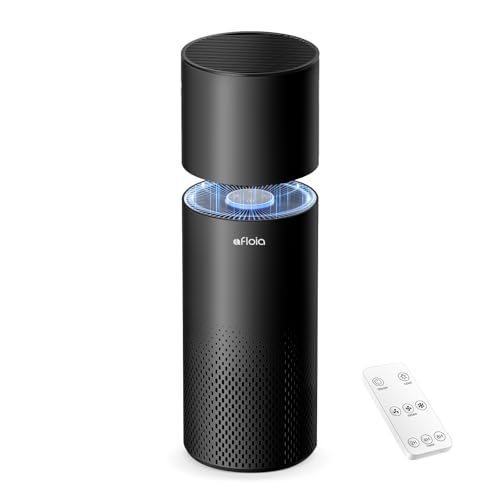
- 2-in-1 Air Purifier & Humidifier: Kilo Pro – Simultaneously…
- 3-Stage Filter: Improves overall air quality and helps…
- Mist-Free Humidification with Evaporative Technology: Uses…
- 7-Color Ambient Light: Customize the atmosphere with 7…
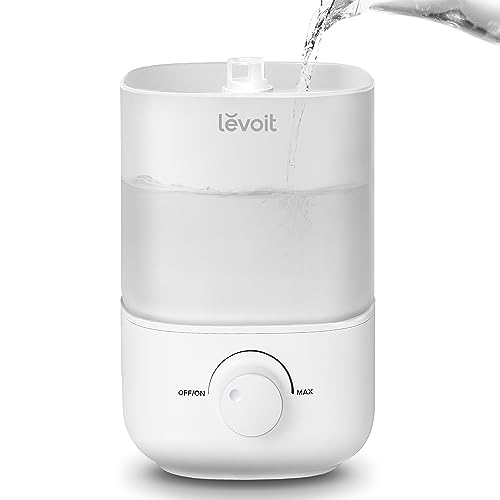
- 𝙁𝙖𝙨𝙩…
- 𝙀𝙖𝙨𝙮 𝙏𝙤𝙥-𝙁𝙞𝙡𝙡…
- 𝙈𝙪𝙘𝙝 𝙀𝙖𝙨𝙞𝙚𝙧 𝙛𝙤𝙧…
- 𝙉𝙤 𝘿𝙞𝙨𝙩𝙪𝙧𝙗𝙖𝙣𝙘𝙚…
Introduction To Humidifiers And Air Purifiers
Humidifiers add moisture to the air. This helps in dry climates. They prevent dry skin and throat issues. Air purifiers clean the air. They remove dust, pollen, and smoke. They help people with allergies. Both devices improve air quality. Yet, they work in different ways. Humidifiers do not clean air. Air purifiers do not add moisture. Choosing the right device depends on your needs.
Good air quality is vital. Poor air leads to health problems. Humidifiers help in winter. They keep skin and throat comfortable. Air purifiers are great for allergy sufferers. They reduce pollutants. Both improve comfort and health. They make breathing easier. Consider both for best results.

Credit: www.youtube.com
How Humidifiers Work
Humidifiers add moisture to the air. This helps to keep the air from becoming too dry. They use water to create a fine mist. The mist is then released into the air. There are many kinds of humidifiers. Some use ultrasonic waves. Others use evaporation or steam.
Here are some types of humidifiers:
- Ultrasonic Humidifiers: Use sound waves to create mist.
- Evaporative Humidifiers: Use a fan to blow air through a wet filter.
- Steam Vaporizers: Heat water to create steam.
- Impeller Humidifiers: Use a rotating disk to create mist.
Humidifiers prevent dry skin and irritated eyes. They also reduce static electricity in the air. Humidifiers help ease cold symptoms and allergies. They can also protect wood furniture and musical instruments from damage. Overall, humidifiers improve air quality and comfort.
How Air Purifiers Work
Air purifiers come in different types. HEPA filters remove small particles. Activated carbon filters remove odors and gases. UV light purifiers kill germs and bacteria. Ionizers release negative ions to clump particles together. Each type has its own benefits.
Air purifiers can help reduce allergies. They remove dust, pollen, and pet dander from the air. They can also help with asthma. Cleaner air means easier breathing. Air purifiers can also remove smoke and bad smells. This makes your home smell fresh and clean.
Key Differences Between Humidifiers And Air Purifiers
Humidifiers add moisture to the air. This helps in dry weather. Dry air can cause dry skin and sore throats. Air purifiers clean the air. They remove dust, pollen, and smoke. They help people with allergies. These devices serve different needs.
Humidifiers use water. They turn water into mist or steam. This increases humidity. Air purifiers use filters. They trap particles in the air. Some use UV light. Others use ionizers. Both have unique ways to improve air quality.
When To Use A Humidifier
A humidifier is best used in dry climates. It adds moisture to the air. This helps in winter months when indoor air is dry. Use it when humidity levels drop below 30%. Dry air can cause cracked skin and dry throat. It is also useful in heated homes where the air can get very dry. Ideal for bedrooms, living rooms, and offices. Avoid using it in already humid places. Too much moisture can cause mold and mildew.
Humidifiers can help with breathing issues. They keep nasal passages moist. This is useful for people with allergies and asthma. Moist air can also reduce snoring. It keeps skin hydrated. This prevents dryness and itching. Humidifiers can make a room feel warmer. This can save on heating costs. They can also protect wooden furniture from cracking. Ideal for babies and young children who are sensitive to dry air. Always keep the humidity level balanced.
When To Use An Air Purifier
Use an air purifier in dusty rooms. It works well in homes with pets. If you have allergies, it’s very helpful. Air purifiers remove pollen and pet dander. They also clear out mold spores. These machines work best in closed rooms. Keep doors and windows shut. This helps purifiers work better.
Air purifiers can improve health. They reduce allergy symptoms. Cleaner air can help you breathe easier. Asthma sufferers benefit greatly. Purifiers also remove bad odors. Smoke and pet smells disappear. This makes your home more comfortable. Cleaner air can help you sleep better. You wake up feeling refreshed.
Can Humidifiers And Air Purifiers Be Used Together?
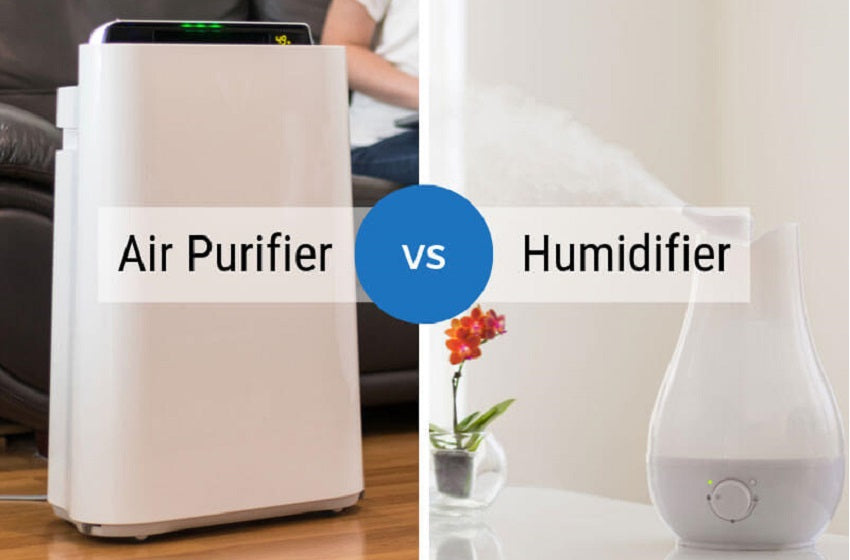
Humidifiers add moisture to the air. Air purifiers clean the air. Both devices serve different purposes. Humidifiers help with dry skin and throat. Air purifiers remove dust, pollen, and allergens. Together, they improve indoor air quality. This can make breathing easier.
Place both devices in the same room. Keep them a few feet apart. This ensures better air circulation. Clean your devices regularly. Follow the manufacturer’s instructions. Refill the humidifier with clean water. Change the air purifier’s filters often. This keeps them working well. Avoid using the humidifier too much. Too much moisture can cause mold. Balance is key for best results.
Credit: airdogusa.com
Choosing The Right Device For Your Needs
A humidifier adds moisture to the air, helping with dry skin and respiratory issues. An air purifier removes contaminants like dust and pollen. Both devices serve different purposes, so choose based on your specific needs.
Factors To Consider
Both humidifiers and air purifiers help improve air quality. But they work differently. A humidifier adds moisture to the air. This helps in dry climates or during winter. An air purifier removes pollutants and allergens. This is useful for people with allergies or asthma.
Think about what you need most. Dry air can cause skin and respiratory problems. Use a humidifier if you live in a dry place. If you have allergies or live in a city with pollution, an air purifier is better.
Check the size of your room. Some devices work best in small spaces. Others can handle large areas. Look at the noise level too. Some devices are loud. This can be a problem if you need quiet.
Expert Recommendations
Experts suggest looking at features and price. Some devices come with extra features like timers or remote controls. These can be useful but may cost more. Read reviews from other users. They can give you an idea of how well the device works.
Consider the maintenance needed. Some devices need regular cleaning or filter changes. Make sure you can keep up with these tasks. It’s important for the device to work well.
Maintenance And Care Tips
Regular cleaning is essential. Clean both devices weekly to keep them working well. Use a soft cloth to wipe the exterior. Empty and clean the water tank of the humidifier. Use mild soap and water. Rinse well to avoid soap residue. Replace filters in both devices as recommended by the manufacturer. This ensures they stay efficient and safe.
Check if the device is plugged in correctly. Ensure filters are not clogged. Clean or replace them if needed. Inspect for any visible damage. If the device is noisy, it may need cleaning. Look at the user manual for specific issues. Follow the steps carefully. Regular maintenance helps avoid most problems.
Frequently Asked Questions
Are Humidifiers And Air Purifiers The Same?
No, they are different devices. Humidifiers add moisture to the air. Air purifiers remove contaminants from the air.
What Does A Humidifier Do?
A humidifier adds moisture to the air. It helps alleviate dry skin and respiratory issues.
What Is The Main Function Of An Air Purifier?
An air purifier removes airborne particles. It helps reduce allergens, dust, and pollutants in the air.
Can I Use Both Devices Together?
Yes, you can use both together. They serve different purposes and can improve air quality.
Conclusion
Humidifiers and air purifiers serve different purposes. Humidifiers add moisture to air. Air purifiers clean air by removing pollutants. Both can improve indoor air quality. Choose based on your specific needs. Understand their differences. Each device offers unique benefits. Select the right one for your environment.
A well-informed choice leads to better health. Enjoy improved breathing and comfort at home.