
An IP security camera is a digital video camera. It transmits data over the internet.
Unlike traditional cameras, it does not require a local recording device. In today’s world, security is crucial. IP security cameras have become popular for both homes and businesses. They offer real-time surveillance through internet connectivity. This means you can monitor your property from anywhere.
These cameras are user-friendly and provide high-quality images. They also offer features like motion detection and night vision. As technology advances, IP security cameras become more accessible and affordable. Understanding how they work can help you enhance your security measures. In this blog, we’ll explore the key features and benefits of IP security cameras.
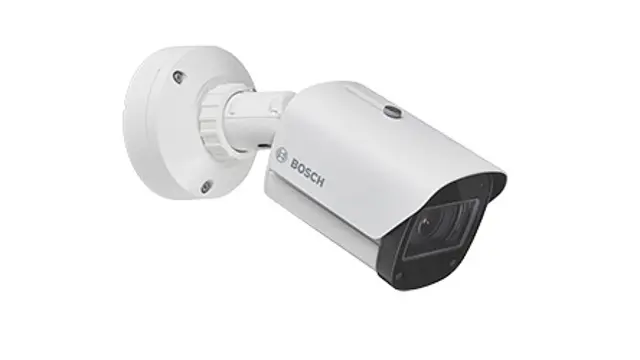
Credit: www.boschsecurity.com
Introduction To Ip Security Cameras
An IP Security Camera is a type of digital camera. It sends and receives data over a network. This network can be the internet or a local area network. IP stands for Internet Protocol. These cameras are also known as network cameras. They are different from analog CCTV cameras.
IP cameras provide high-quality video. They offer remote access. You can view footage from anywhere. Just use a smartphone or computer. They have advanced features. Some can detect motion. Others can recognize faces. They are useful for home and business security. They help keep places safe. They can deter crime. They provide evidence when needed.
How Ip Security Cameras Work
IP security cameras use the internet to send video. They connect to your home network. These cameras record and store video data. IP cameras have better resolution than analog cameras. They also offer remote access. You can view footage from anywhere. All you need is an internet connection. This makes them convenient and flexible.
Data from IP cameras is sent over the internet. This can be done through a wired or wireless connection. Wired connections are more stable. Wireless connections offer more flexibility. The video data is compressed to save space. This data is then stored on a cloud server or a local storage device. You can access this data anytime. It ensures you have continuous monitoring and security.
Types Of Ip Security Cameras
Fixed cameras stay in one place. They focus on one area. You can’t move them once installed. These cameras are great for monitoring specific spots. They are reliable and stable. Many people use them for home and office security.
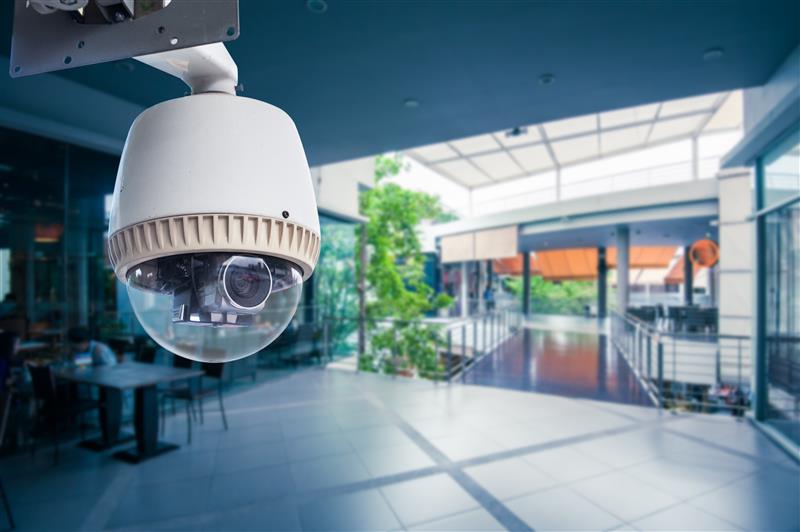
PTZ stands for Pan, Tilt, and Zoom. These cameras can move in many directions. They offer a wide view. PTZ cameras can zoom in on details. They are useful in large areas. You can control them remotely. This makes them very flexible.
Wireless cameras do not use cables. They connect to your network via Wi-Fi. Easy to install and move. No need for many wires. Good for places where wiring is hard. They offer flexibility. Suitable for both indoor and outdoor use.
Credit: www.trendmicro.com
Key Features Of Ip Security Cameras
High resolution is a key feature of IP security cameras. Clear images help in identifying faces. Higher resolution also means better detail. You can zoom in without losing clarity. This helps in recognizing small objects or details. Most cameras offer 1080p or higher resolution.
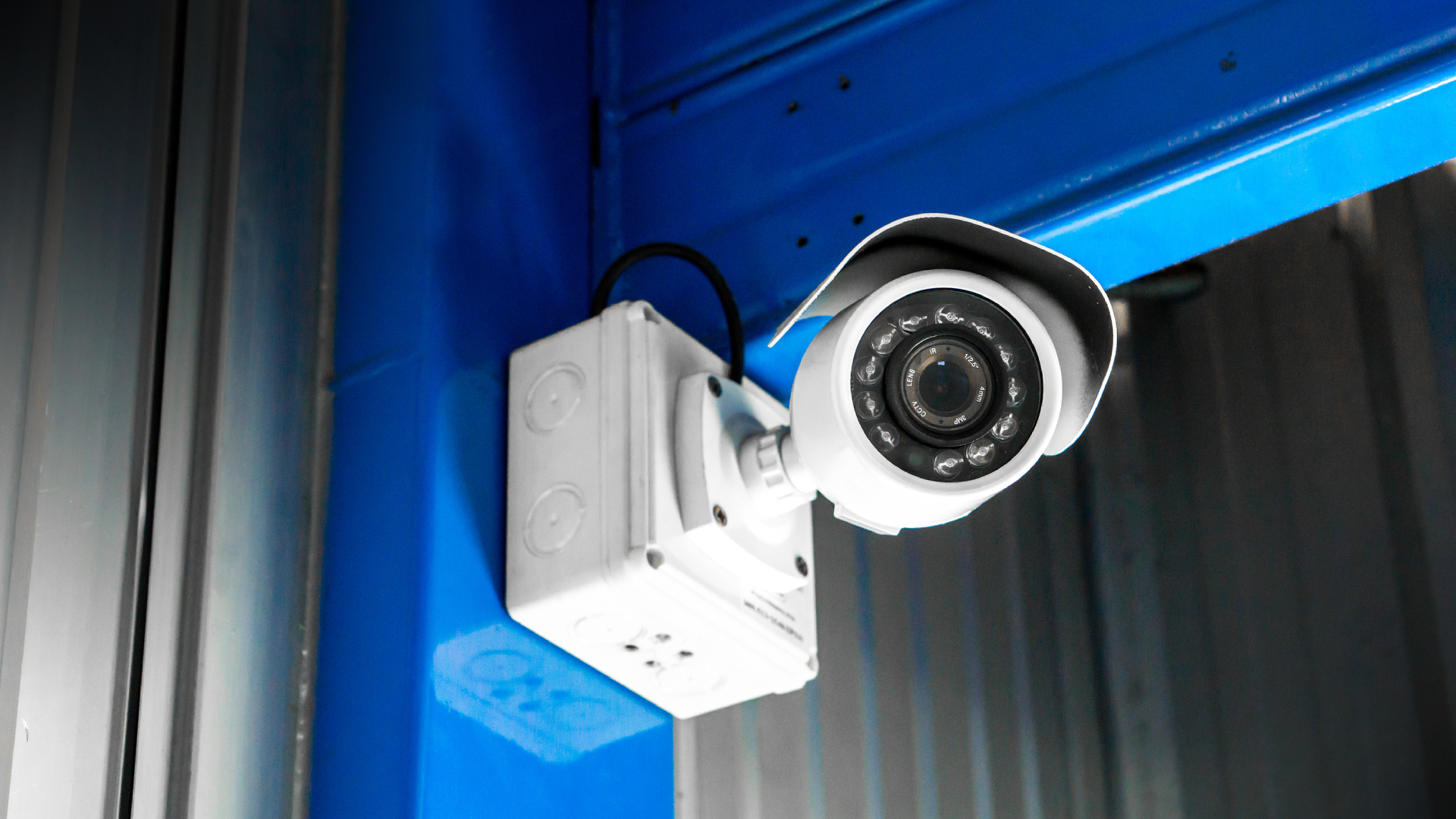
IP security cameras often come with night vision. This feature lets you see in the dark. Infrared LEDs help capture images in low light. Night vision ensures 24/7 security. You can monitor areas even at night. Some cameras switch to night mode automatically.
Motion detection is another important feature. The camera detects any movement. It can send alerts to your phone. This helps in taking quick action. Motion detection can save storage space. The camera records only when there is movement. Some cameras offer adjustable sensitivity.
Benefits Of Using Ip Security Cameras
IP security cameras let you watch your home from anywhere. Use your smartphone or computer to check the video. This gives peace of mind. You can see what is happening at home. It is very convenient.
IP cameras are easy to add more. You can start with one and add more later. They connect to your network. This is helpful for growing needs. A good choice for expanding security.
These cameras provide clear and detailed video. This helps see important details. Faces and actions are easy to identify. The high quality makes it easier to use the footage. It helps with security and evidence.
Installation Process
You will need a few things for installation. First, get an IP security camera. Next, you need a stable internet connection. A power source is essential. You also need mounting tools. A drill and screws will help. Finally, have a computer or smartphone ready.
Start by choosing a spot for the camera. Make sure it covers the area you want. Use the drill to make holes. Attach the camera with screws. Connect the camera to power. Use the provided cable. Connect the camera to your network. Use Wi-Fi or an Ethernet cable.
Now, install the camera software on your computer or phone. Follow the setup steps in the app. You may need to enter the camera’s IP address. Adjust the camera angle if needed. Check the live feed. Make sure the view is clear. Your camera is now ready to use.
Common Applications
IP security cameras keep homes safe. They watch all areas, inside and out. Many people use them to watch the front door. They also help check on kids and pets. Some cameras can even send alerts. These alerts warn about movement or noise. Homeowners feel safe with these cameras.
Businesses use IP cameras for security. They place them in stores, offices, and warehouses. Cameras watch for theft and other problems. They also help with customer service. Cameras can show how busy a store is. Owners can see if more help is needed. Security cameras make businesses safer and better.
IP cameras help keep public places safe. Cities use them in parks and streets. Cameras watch for crimes and accidents. They help police and other services. Cameras can also help in emergencies. They show where help is needed. Public safety is better with these cameras.
Choosing The Right Ip Security Camera
An IP security camera connects to the internet, allowing remote monitoring and recording. It provides clear video footage and can be accessed from anywhere.
Budget Considerations
Choosing the right camera depends on your budget. IP cameras come in many price ranges. Some are cheap but lack features. Expensive ones offer better quality and more functions. Think about what you can spend. Balance cost with needs. Don’t overspend on features you won’t use.
Specific Needs
Consider your specific needs. Do you need night vision? How about motion detection? Think about storage options. Do you need cloud storage or a local drive? Different cameras offer different features. Know what you need before buying. Make a list of must-haves. This helps in making the right choice.
Brand Comparisons
Research different brands. Some brands are known for quality. Others are known for being affordable. Compare reviews and ratings. Look for customer feedback. Check if the brand offers warranty and support. Popular brands often have better customer service. Choose a brand that fits your needs and budget.
Maintenance And Troubleshooting
Keep the camera lens clean. Wipe it with a soft cloth. Check the camera’s connection to the network. Ensure it is stable. Update the camera’s software regularly. This keeps it secure. Inspect the power source. Make sure it is working well.
Blurry images can happen. Clean the lens and check again. No connection to the network? Restart the camera and router. Poor video quality? Check the internet speed. Ensure it is fast enough. Night vision not working? Check for proper lighting.
If the camera does not turn on, call a professional. Strange noises from the camera are another sign. Poor video quality after cleaning and checking? Seek expert help. Consistent network issues? A professional can fix it.
Credit: www.bayalarm.com
Future Trends
AI helps cameras detect motion. It can identify faces. AI makes security smarter. Cameras can tell the difference. They know humans from animals. This reduces false alarms. AI learns over time. It gets better at spotting threats.
New cameras use better Wi-Fi. They connect faster. More reliable connections help. Cameras can send alerts quickly. Users get real-time updates. This makes monitoring easy. Remote access is possible. You can watch from anywhere.
Encryption keeps data safe. Only you can see your footage. Cameras have stronger passwords. Hackers find it hard to break in. Regular updates fix bugs. This keeps your system secure. Privacy is a top priority.
Frequently Asked Questions
What Is An Ip Security Camera?
An IP security camera is a digital video camera. It transmits data over a network or the internet. These cameras provide surveillance and security.
How Does An Ip Security Camera Work?
An IP security camera captures video and converts it into data. This data is sent over a network for viewing or storage. It can be accessed remotely.
What Are The Benefits Of Ip Security Cameras?
IP security cameras offer high-resolution video and remote accessibility. They provide real-time monitoring and can integrate with other security systems. They are also scalable.
Are Ip Security Cameras Secure?
IP security cameras can be secure if properly configured. Use strong passwords and encryption. Regularly update firmware to protect against vulnerabilities.
Conclusion
Ip security cameras offer an effective way to secure your property. They are easy to install and use. With remote access, you can monitor your space anytime. These cameras provide clear images and reliable performance. Investing in an IP security camera enhances safety.
Plus, it helps deter potential intruders. Choose a camera that fits your needs and budget. Protecting your home or business is now more convenient. Stay safe and keep an eye on what matters most.