
Choosing the best car window film depends on your priorities for heat rejection, privacy, and visibility, with visible light transmission (VLT) percentages and material composition serving as the primary factors. MotoShield Pro Ceramic Tint offers high heat rejection, while RockRose Nano Ceramic Tint provides a balance of privacy and ease of installation.
All 10 products side by side — scroll sideways to see every column.
| Top Pick | Best for Extreme Heat | Also Great | Best for Front Windows | Best for Charcoal Look | Best for Privacy | Best for DIY Installation | Best for Windshield Strips | Best for Glass Protection | ||
| Preview |  |  |  | 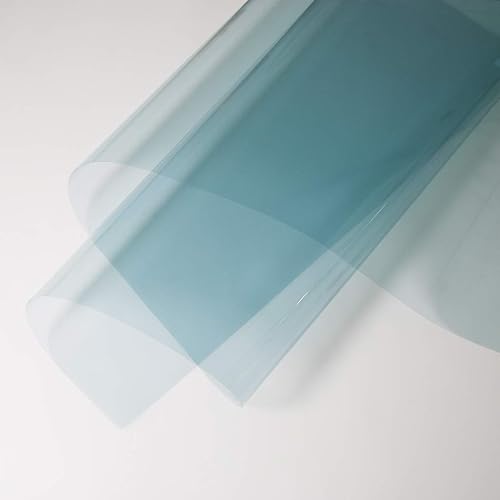 | 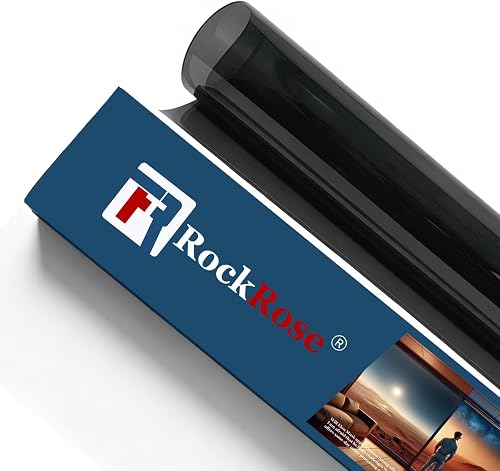 |  |  |  |  |  |
|---|---|---|---|---|---|---|---|---|---|---|
| Product | RockRose Nano Ceramic Tint | MotoShield Pro Ceramic Tint | Vepagoo Nano Ceramic Tint | SW Nano Ceramic Film | RockRose Carbon Tint | LYPUMSO Ceramic Tint | BDF NSN70 Window Film | Ceramic Car Window Tint | Car Windshield Tint Strip | Car Window Sun Protection |
| Brand | RockRose | MotoShield Pro | Vepagoo | SW | RockRose | Lypumso | Buydecorativefilm | husbo | BILEKSU | Culycey |
| Best for | Best Overall | Best for Extreme Heat | Also Great | Best for Front Windows | Best for Charcoal Look | Best for Privacy | — | Best for DIY Installation | Best for Windshield Strips | Best for Glass Protection |
| The listing says | Nano ceramic heat blocking technology 2PLY haze free material for clarity | Blocks up to 99% infrared heat Blocks 99.9% of harmful UV rays | One-way daytime privacy effect No interference with electronic signals | Blocks 99% of UV rays Nano-ceramic heat dissipation technology | 2PLY premium carbon film Blocks 99% of UV rays | 15% VLT nano-ceramic film Blocks 99% of UV and infrared rays | Durable and scratch resistant film Blocks 99% of UV rays | 20" x 20FT film roll No signal interference for devices | Reduces intense sun glare Durable 5% VLT PET material | Durable anti-aging PET substrate Blocks solar heat and UV rays |
| More information | Price on Amazon | Price on Amazon | Price on Amazon | Price on Amazon | Price on Amazon | Price on Amazon | Price on Amazon | Price on Amazon | Price on Amazon | Price on Amazon |
1. RockRose 20% Nano Ceramic Car Window Tint 36 in x
Best for: A driver wanting a reliable, all-around heat-blocking solution for daily use.
This film uses nano-ceramic technology to block infrared radiation and UV rays, aiming to keep your car interior cooler during hot summer days. Its 2-ply construction is designed to prevent haze, ensuring that your view remains clear while you’re behind the wheel.
The film comes in various VLT levels, letting you choose the exact darkness you prefer for your windows. Because it’s plotter-friendly and designed for an easy shrink, it’s a common choice for those who want a professional-looking finish without excessive difficulty during the application process.
Good if:
- You want a wide range of VLT options for different windows.
- You prioritize high UV rejection for skin and interior protection.
- You need a film that works well for both home and auto applications.
Skip it if:
- You have never applied window film and prefer a pre-cut kit.
- You’re looking for a specialty transparent film for the front windshield.
2. MotoShield Pro 15% VLT Nano Ceramic Window Tint
Best for: Someone living in an area with extreme, intense heat waves.
This film is engineered to block up to 99% of infrared heat radiation, which can help lower your cabin temperature by as much as 25°F. It is a robust option for reducing intense heat buildup when parked in the sun. By rejecting up to 70% of total solar energy, it provides a persistent barrier that outperforms traditional portable sun shades.
The 2-mil thickness is designed to be manageable for DIY enthusiasts, and the inclusion of a detailed manual and instructional video helps guide you through the process. It offers seven different VLT percentages, ranging from 5% to 75%, making it easy to match your side and rear windows for a uniform, professional look while maintaining high-definition visibility from the inside.
Good if:
- You want the highest possible heat rejection performance.
- You want a film that helps protect your dashboard and seats from cracking and fading.
- You prefer a brand that provides specific instructional videos for installation.
Skip it if:
- You’re looking for a film that’s thinner than 2-mil.
- You want a product that only comes in one specific light transmission.
3. Vepagoo 20% VLT Nano Ceramic Car Window Tint Film
Best for: A driver who uses GPS or cellular devices frequently.
Because this film is made from nano-ceramic material rather than metal, it doesn’t interfere with wireless signals. This is a crucial feature if you rely on your phone or built-in GPS for navigation while driving. You’ll maintain a seamless connection for all your wireless devices even after the film is applied.
The film is designed to be scratch-resistant and durable against daily wear and tear, including frequent car washes and temperature shifts. It also blocks 99% of UV rays, which helps maintain the condition of your leather or fabric seats. By preventing cracking and warping, it protects your dashboard and steering wheel from sun damage.
The Vepagoo tint also provides a one-way visible effect during the day. This allows you to see out clearly while blocking outside views, which enhances your security.
Good if:
- You want a film that maintains clear signal reception for your devices.
- You want a product backed by an 18-month warranty.
- You’re looking for a reliable daytime privacy effect.
Skip it if:
- You want a film that’s thicker than the standard ceramic options.
- You’re looking for a massive roll size for multiple vehicles.
4. SW 80% VLT Nano Ceramic Car Front Window Film
Best for: Front window clarity without sacrificing heat protection.
This film is specifically designed for front windows where visibility is the highest priority. With its 80% VLT, it’s transparent enough to keep your driving visibility high while still providing protection against UV rays and heat.
The non-metallized design ensures that your radio and cell phone signals remain strong. Its reinforced, multi-layered construction prevents bubbles and peeling, which is ideal for a surface as large and curved as a windshield.
Good if:
- You need heat protection for your front windshield.
- You want to keep your car interior cool without making it dark.
- You prefer a film that’s easy to handle with the tape-removal method.
Skip it if:
- You’re looking for a dark tint for maximum privacy.
- You’re working alone and prefer not to have a partner for installation. Two people are highly recommended to manage the soapy water application and alignment.
5. RockRose 15% Premium Carbon Car Window Tint Film 20
Best for: A driver who wants a classic charcoal look with reliable heat reduction.
Carbon tint features a deep, sleek appearance. This durable film blocks up to 55% of infrared radiation, which is a solid middle-ground for reducing cabin heat during your daily commute. Because it’s plotter-friendly, it’s a practical choice for those who need to cut precise shapes for complex window geometries.
The film is durable and designed to reduce glare, which helps lower eye strain on bright, sunny days. It offers a wide range of shades from 1% limo tint to 75% options, allowing you to customize your vehicle’s aesthetic while maintaining visibility.
Good if:
- You prefer the look and longevity of carbon-based tint.
- You want a film that’s easy to shrink for curved windows.
- You’re looking for a significant reduction in interior glare.
- You need a flexible material that accommodates various vehicle sizes.
Skip it if:
- You need the absolute highest heat rejection available in the market.
- You’re specifically looking for the latest nano-ceramic technology.
- You require advanced signal transparency that only ceramic-based films provide.
6. LYPUMSO 15% VLT Ceramic Car Window Tint Film
Best for: Maximum daytime privacy and signal-free performance.
This ceramic film provides a strong one-way privacy effect, making it difficult for people outside to see into your car during the day. It’s highly effective at blocking 99% of both UV and infrared rays, creating a more comfortable environment. Because it uses nano-ceramic technology, you can enjoy this heat rejection without worrying about signal interference for your phone or GPS.
The scratch-resistant coating ensures that the film holds up well against everyday use and repeated car washes. It’s designed to be a DIY-friendly project, and the seller provides extensive resources, including videos and images, to help you through the installation process. The film is also removable, leaving no trace or damage to your glass if you decide to switch styles later.
Good if:
- You want strong privacy from the outside looking in.
- You want a film that’s truly scratch-resistant.
- You want a product that includes clear, step-by-step installation guides.
Skip it if:
- You’re looking for a light, transparent tint for the windshield.
- You aren’t comfortable using a squeegee on delicate surfaces.
- You need a tint that allows more than 15% of visible light to pass through.
7. BDF NSN70 Window Film Transparent High Heat Rejection & UV
Best for: Someone who wants heat control without changing the look of their glass.
This is a very light film that lets in plenty of natural light while still rejecting a high amount of heat. It’s an excellent choice if you want to keep your cabin cooler without the “limo tint” look that can sometimes make night driving difficult. By blocking nearly all harmful UV rays, it also protects your interior from sun-induced fading.
Because the film is sensitive, it requires careful handling during the installation process. The slightest fold may create a permanent wrinkle, so treat the material with caution. To ensure a smooth finish, use a generous amount of soap and water mixture to soak both the adhesive side and the glass. This lubrication allows you to position the film accurately before the strong adhesive sets.
The manufacturer provides free tools and a guide to assist you in getting the best results possible. Before you begin, verify that the window surface is completely clean and free of any blemishes, as debris will show through the clear finish.
Good if:
- You want to keep your windows clear and bright.
- You want high-quality heat rejection.
Skip it if:
- You need privacy.
- You’re worried about wrinkling the film.
8. Ceramic Car Window Tint
Best for: Sedan or SUV owners who want a simple, one-roll solution.
This 20-foot roll is sized perfectly for side and rear windows, making it a convenient choice for most standard vehicles. The nano-ceramic material ensures that your GPS and Bluetooth signals work perfectly fine, unlike older metal-based tints that create signal interference.
The film is scratch-resistant, which is helpful during the installation process when you’re using tools to smooth out bubbles. It provides a dark 20% VLT that creates a classic privacy look for the back half of your vehicle. Because this film provides a near-total barrier against UV rays, it helps protect your dashboard and seats from cracking.
Note that the one-way privacy effect relies on light levels. During the day, outsiders can’t see in, but this benefit disappears if you turn on your interior lights at night.
Good if:
- You’re tinting the side and rear windows of a sedan.
- You want a film that’s easy to install without professional tools.
- You want to prevent sun fading on your interior trims.
Skip it if:
- You need to tint your front windshield as well.
- You’re looking for a light, transparent film.
9. 59.06″x5.91″ Car Windshield Tint Strip
Best for: Blocking the harsh sun glare that hits the top of your windshield.
This strip is a specialized product designed to cut down on the blinding light that comes through the top of your windshield. It uses a 5% VLT to ensure that the brightest sun rays are blocked, which keeps your eyes relaxed during long drives. By minimizing this intense light, the film helps you maintain focus without the constant strain of squinting at the road.
The kit comes with all the necessary tools, including a squeegee and a knife, making it an easy weekend project. It’s also durable enough to resist tearing, which is important for a piece of film that sits in the direct path of the sun. Beyond glare, the PET material acts as a barrier for your interior. It shields leather dashboards, steering wheels, and seats from the fading effects of constant, direct UV exposure.
Good if:
- You struggle with glare while driving at sunrise or sunset.
- You want a simple, quick DIY project.
- You need a product that includes all installation tools in the box.
Skip it if:
- You’re looking for full-window heat protection.
- You live in a region with strict laws regarding windshield strips.
10. Car Window Sun Protection
Best for: A driver who wants a durable film that resists edge peeling.
This film uses a premium PET substrate designed to withstand harsh weather, including intense sun and rain. It’s a great option if you want something that will stay in place for a long time without the edges starting to lift or peel. Because the material resists brittleness and cracking, it maintains its integrity even through seasonal temperature shifts.
The film also provides a protective barrier against minor scratches on your glass. Its 15% VLT offers a balance between privacy and visibility, allowing you to see out while keeping the interior obscured from outside eyes. By blocking solar heat, it helps lower your AC energy consumption and prevents sun damage to your seats and trim.
Installation is straightforward. You simply clean the window, cut the film with a small 1-2mm border, peel the backing, and wet the surface. Use the included scraper to remove excess moisture and ensure a smooth finish.
Good if:
- You want a film that’s resistant to brittleness and cracking.
- You want to protect your windows from minor accidental scrapes.
- You want a film that’s easy to apply with the included scraper.
Skip it if:
- You’re looking for a film with near-total UV rejection.
Where These Overlap
Many of these films share the same core technology: nano-ceramic particles. Whether you choose RockRose, MotoShield Pro, Vepagoo, or LYPUMSO, you’re getting a non-metallized product that blocks almost all UV rays and significant amounts of infrared heat without killing your cell signal. The choice between these brands often comes down to the specific VLT options available, the length of the roll, and the included installation accessories.
There’s a genuine difference between the ceramic films and the carbon-based options like RockRose Carbon Tint. Carbon films typically offer a deeper, fade-resistant black aesthetic that many enthusiasts prefer for a classic look. Conversely, if you need something for your front windshield, the SW Nano Ceramic Film or BDF NSN70 are in a different league because of their high transparency. These are designed for visibility first and heat rejection second. If you’re a first-time installer, consider kits that include tools, like the Car Windshield Tint Strip or the BDF NSN70, as these remove the guesswork of finding the right squeegees or knives.
Still Not Sure?
How often will I really use the heat protection?
If you live in a place where the sun is relentless, you’ll notice the difference every single time you open your car door. A high-quality ceramic film can make the cabin feel much cooler after sitting in a parking lot. If you park in a garage at home and work, you might prioritize a 75% VLT film for night visibility. However, for those parked outside all day, MotoShield Pro Ceramic Tint is an excellent choice to maximize interior comfort and protect your upholstery from fading.
What do I already own that this has to work with?
You should consider the existing tint on your vehicle. If your rear windows are already factory-tinted, you might only need a matching shade for the front. If you have high-end electronics like a built-in GPS or a dashcam, stick with nano-ceramic films like Vepagoo Nano Ceramic Tint. These ensure that your signal reception remains strong. Avoid older, metal-based films if you have sensitive electronics, as they can cause interference that leads to dropped calls or inaccurate navigation data.
What am I most likely to regret choosing?
The most common regret is choosing a VLT level that’s too dark for your local laws or too dark for your personal comfort at night. If you’re unsure, start with a moderate shade like 35% or 50%. For a safe, high-clarity choice that won’t compromise your vision, consider the BDF NSN70 Window Film.
The best best car window film for heat reduction for your car comes down to balancing your need for heat reduction with your local legal requirements for window darkness. The RockRose Nano Ceramic Tint is designed for easy shrinking and plotter-friendly installation, making it a suitable choice for first-time installers. If you live in an area where the heat is truly extreme, MotoShield Pro Ceramic Tint provides the most robust heat-rejection statistics. Before you start, check your local laws regarding window tint percentages to ensure your installation is street-legal.
Related guides
- Where Can I Buy Privacy Window Film: Top 5 Retailers
- Best Window Film to Block Heat
- 10 Best Car Need for Speed Heat Picks for Your Racing Style
Frequently Asked Questions
Does the thickness of the window film matter for installation?
A 2-mil thickness is the ideal balance for DIYers to handle, shrink, and apply window film. This thickness provides enough durability to resist tearing while remaining flexible enough to conform to curved glass surfaces.
Why is nano-ceramic film better for signal reception?
Nano-ceramic films do not block radio waves or electromagnetic signals because they are made with non-conductive materials. This ensures that GPS, Bluetooth, and cellular devices function normally after installation, unlike metallic-based films that can interfere with signal reception.
What is the best way to ensure a bubble-free installation?
A bubble-free finish requires a clean glass surface and the generous use of a soapy water solution. Spraying both the window and the adhesive side of the film allows you to position the material accurately before squeegeeing moisture from the center toward the edges.
How do I safely remove old window film?
Removing old film requires using heat to soften the adhesive before slowly peeling the material from the glass. Any remaining glue can be cleaned with a glass cleaner or adhesive remover, provided the specific product is marketed as removable.
Conclusion
Finding the right balance for your vehicle doesn’t have to be overwhelming once you identify what matters most for your daily commute. Before you commit to a specific brand, reach out to a local professional to see a sample in person. You’ll be glad you did when the summer heat finally arrives.