
Finding the best annuals for full sun depends on your needs for ground cover, height, or containers. These plants vary in growth habits and drought tolerance, with some thriving on neglect while others require consistent moisture. For low-growing color, choose Mixed Moss Rose Seeds; for dramatic vertical height, select the Red Torch Mexican Sunflower.
All 10 products side by side — scroll sideways to see every column.
| Top Pick | Runner-Up | Best for Pollinators | Best for Borders | Best for Drought | Best for Dry Soil | Best for Containers | Best for Bouquets | |||
| Preview |  |  |  |  |  |  | 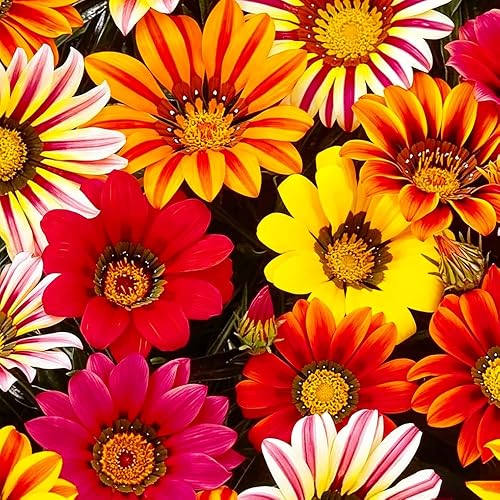 |  |  |  |
|---|---|---|---|---|---|---|---|---|---|---|
| Product | Crazy Blend Zinnia Seeds | Mixed Moss Rose Seeds | Red Torch Mexican Sunflower | French Marigold Seeds | Cosmos Flower Seeds | Plumed Celosia Seeds | Perennial Mix Gazania Seeds | Pacifica XP Vinca Seeds | Pink Sunflower Seeds | Dwarf Nasturtium Seeds |
| Brand | VISTATU | Groundio | Outsidepride | Wivolibe | BuggyBeds | BuggyBeds | Mixrug | Mountain Valley Seed Company | ZEshops | HOME GROWN |
| Best for | Best Overall | Runner-Up | Best for Pollinators | Best for Borders | — | Best for Drought | Best for Dry Soil | Best for Containers | Best for Bouquets | — |
| The listing says | Moisture and tear resistant packaging Sown correctly, results in days | 95% germination rate Over 23500 seeds per pack | 1951 AAS flower winner Grows up to 40 inches tall | Remove dead flowers to extend blooming Grows 6-18 inches tall | Thrives with minimal care Contains 1000 non-GMO seeds | 100 non-GMO Celosia plumosa seeds Heat and drought tolerant | 4" flowers on 8-10" plants Suitable for bedding or containers | Grows 10–12" tall with 2" blooms Heat and humidity tolerant | Pink blooms with dark centers 60 seeds per pack | 45 non-GMO Nasturtium seeds Blooms in 50–65 days |
| More information | Check Price on Amazon | Check Price on Amazon | Check Price on Amazon | Check Price on Amazon | Check Price on Amazon | Check Price on Amazon | Check Price on Amazon | Check Price on Amazon | Check Price on Amazon | Check Price on Amazon |
1. Crazy Blend Zinnia Seeds
Best for: A gardener wanting the shortest, most compact zinnia variety.
This variety offers a unique, compact, and bushy habit, making it perfect for small spaces or tight garden beds. Because it grows only 6″-8″ tall, it avoids the flopping issue common with taller flowers. The seeds are stored in a facility free of significant amounts of moisture to ensure freshness for the current and following growing seasons.
Since these seeds require light to germinate, you must avoid burying them deeper than 1/8″. If you bury them too deep, they will struggle to sprout. Once the danger of frost has passed, sow them directly into the soil. You’ll see results in just a few days if the conditions are right.
This plant isn’t for someone looking for a tall focal point, as its short stature keeps it low to the ground. These heirloom, open-pollinated seeds produce flowers in pink, yellow, red, white, and lavender.
Good if:
- You have a small garden or container.
- You want a mix of five different colors.
- You prefer a plant that stays compact.
Skip it if:
- You need a tall plant for the back of a border.
- You’re gardening in zones outside 3-6.
- You want a flower that reaches beyond 1.25″ in diameter.
2. Mixed Moss Rose Seeds
Best for: Someone who wants a fast-growing, colorful ground cover.
These seeds are ideal for creating a “colorful carpet” effect in your garden. They thrive in poor soil and hot, dry conditions, making them perfect for rock gardens or slopes. With over 23,000 seeds per pack, they provide serious coverage for large areas. Because they’re heat and drought-tolerant, they remain resilient during mid-summer heat waves when other plants often wilt.
You shouldn’t cover these seeds with soil, as they need to be pressed lightly onto the surface to germinate. This plant isn’t for those who want a tall, upright flower, as its nature is to spread low across the ground. They’re a reliable choice for containers or hanging baskets where you need a lush, double-petaled display that requires almost no maintenance once established.
Good if:
- You have poor soil that needs coverage.
- You want flowers that tolerate heat waves.
- You’re a beginner or a child gardener.
Skip it if:
- You want a plant that grows vertically.
- You prefer plants that require frequent watering.
- You’re looking for a variety that thrives in deep shade rather than full, direct sun.
3. Outsidepride Red Torch Mexican Sunflower Seeds
Best for: A gardener who wants height and wants to attract pollinators.
Growing up to 40 inches, this sunflower provides dramatic vertical interest along fences or back borders. It’s an AAS winner and is highly regarded for its ability to attract butterflies and hummingbirds. It’s exceptionally heat and drought-tolerant, making it a reliable choice for long, hot summers.
Because of its coarse texture and rangy habit, it’s best placed behind shorter plants. It isn’t for a gardener with a small balcony or tiny container, as its size requires significant space to thrive. By positioning them behind less boisterous plantings, you allow the vivid, 3- to 4-inch orange-red blooms to stand out clearly.
Good if:
- You want to attract hummingbirds and butterflies.
- You need a tall plant for a back border.
- You want flowers suitable for cutting and bouquets, as the 16-inch stems work well in arrangements.
Skip it if:
- You have very limited garden space.
- You prefer a compact, tidy-looking plant.
- You’re looking for a variety that stays low to the ground.
These plants thrive with minimal care in hot, sunny settings, though they only grow as perennials in USDA Zones 10 and 11.
4. French Marigold Seeds
Best for: Someone who wants a reliable, pollinator-friendly border plant.
These marigolds grow 6-18 inches long and are excellent for edging garden beds. They’re known for being resilient and can tolerate most conditions, including heat and drought. Adding organic compost or mature manure before planting helps these flowers reach their full potential.
You must remove dead flowers to keep the plant compact and extend the blooming period. This plant isn’t for those who want a low-maintenance, “plant and forget” flower, as it benefits significantly from regular deadheading. Because these seeds are annuals, they may return as dropped seeds in many areas, creating a cycle of growth if left undisturbed.
These heirloom, non-GMO seeds germinate quickly when kept consistently moist in full sunlight. While the plants aren’t picky, they thrive best in fertile, well-drained soil. Keep the ground moist, but never soggy, to ensure the healthiest blooms.
Good if:
- You want to support bees and butterflies.
- You have well-drained, fertile soil.
- You need a plant for a garden border.
Skip it if:
- You can’t commit to removing dead flowers.
- You want a wildflower-style, sprawling habit.
5. Cosmos Flower Seeds
Best for: A gardener who wants long-lasting color from summer through fall.
Cosmos are versatile and grow well in containers, beds, or wildflower meadows. They’re known for attracting beneficial insects, which helps maintain a healthy garden ecosystem. With 1,000 seeds per pack, you have plenty of material for successive plantings.
They thrive with minimal care, but they do require a sunny location to bloom abundantly. This plant isn’t for someone who wants a very short, ground-hugging plant, as cosmos can grow quite tall and may need space.
Because these are heirloom, non-GMO annuals, they focus their energy on rapid, vibrant growth rather than long-term root establishment. This makes them ideal for filling gaps in a new garden bed quickly. You can stagger your planting dates to ensure that fresh blooms continue to emerge throughout the entire season.
Good if:
- You want a long blooming season.
- You have space for a large flower bed.
- You want to create your own cut-flower bouquets.
Skip it if:
- You have very little sun in your garden.
- You need a plant that stays under 10 inches tall.
6. Plumed Celosia Seeds
Best for: A gardener who wants unique, vibrant, and long-lasting blooms.
These seeds produce striking, plumed flowers that add texture and color to any landscape. They’re heat and drought-tolerant, which makes them a great choice for hot climates where other plants might wilt. They bloom from midsummer to midfall, providing a long window of color.
Because these plants thrive in full sun, they’re perfect for filling empty patches in your yard that receive intense light. Their nectar-rich plumes act as natural magnets for bees and butterflies, helping you support local biodiversity while you decorate your outdoor space.
They require well-drained soil to prevent rot, so ensure your garden spot doesn’t stay soggy. If your soil is heavy clay, mix in organic matter before planting to improve drainage. This plant isn’t for those looking for a traditional petal-heavy flower, as the plume shape is quite distinct and may not fit every garden style.
Good if:
- You want vibrant, unique flower shapes.
- You have a hot, sunny garden spot.
- You want flowers for dried bouquets.
Skip it if:
- You have soil that holds water for long periods.
- You prefer classic, rounded flower blooms.
7. Perennial Mix Gazania Seeds
Best for: A gardener with dry soil who needs a colorful ground cover.
Gazanias are tough, low-spreading plants that feature large 4″ blooms. They’re native to South Africa and are well-suited for hot, sunny conditions. They bloom profusely in late spring and fall, providing color when other plants are struggling in the heat. Because these plants grow only 8 to 10 inches tall and spread up to 8 inches, they create a dense, vibrant carpet that suppresses weeds while filling empty garden gaps.
While they’re drought-tolerant, they do appreciate moderate watering during the hottest summer months to keep them going. This plant isn’t for someone looking for a tall, vertical focal point, as its habit is to stay close to the ground. In the South, these act as short-lived perennials, while Northern gardeners should treat them as annuals. If you allow the flower heads to drop seeds naturally, you can easily encourage them to reseed for the following season.
Good if:
- You have a sunny patio container or hanging basket.
- You want large, vibrant, multicolored flowers.
- You need a plant that reseeds easily.
Skip it if:
- You want a plant that grows taller than 10 inches.
- You’re looking for a plant that loves constant shade.
8. Mountain Valley Seed Co Pacifica XP Vinca Really Red Seeds
Best for: A gardener looking for a low-maintenance, compact plant for containers.
These vinca seeds grow into 10–12″ mounds, making them perfect for pots and hanging baskets. They’re highly tolerant of heat and humidity, which makes them a reliable choice for difficult, arid climates. They’re also known to help deter deer, which is a big plus for rural gardeners.
Because the plant thrives in full sun with no shade needed, it serves as a resilient anchor for exposed garden borders. Once established, the plants require minimal watering, allowing you to focus on other parts of your landscape.
They require darkness to germinate, so ensure you follow the instructions to cover them or sow them deep enough. This plant isn’t for those who want a fast-growing, tall filler, as they maintain a dense, mounding habit. If your soil is loamy and well-drained, these flowers will flourish with almost no risk of pests or diseases.
Good if:
- You have deer in your area.
- You need a plant for hanging baskets.
- You want a low-maintenance annual.
Skip it if:
- You have a very large space that needs tall coverage.
- You prefer plants that grow very quickly in height.
9. Pink Sunflower Seeds
Best for: A gardener who wants a specific, unique color for their flower beds.
These sunflowers provide a soft, pale pink aesthetic that contrasts well with dark centers. They’re excellent for cottage-style gardens and help you coordinate with white or purple flowers. A pack of 60 seeds is perfect for a dedicated sunflower patch or dividing among various garden spaces.
By planting these in sunny backyard areas, you create a visual anchor for your borders. Because these blooms work well as cut flowers, you can bring the garden indoors for simple vase arrangements. They offer a seasonal pop of color that stands out from standard yellow varieties.
They require a good amount of space to reach their full height and display their blooms properly. This plant isn’t for someone with a small container garden, as sunflowers generally need more room than pots can provide.
Good if:
- You want a specific, soft color palette.
- You enjoy growing flowers for fresh bouquets.
- You have a sunny backyard garden bed.
Skip it if:
- You’re limited to small containers or window boxes.
- You want a plant that stays compact and low.
10. HOME GROWN Nasturtium Seeds
Best for: A beginner who wants a fast-growing, edible flower.
These dwarf nasturtiums stay tidy and compact, making them perfect for pots or the edges of borders. Their cherry-rose blooms are edible and have a peppery, watercress-like flavor, which is a great bonus for kitchen gardens. They’re very easy to grow and attract many pollinators.
You should avoid rich, nitrogen-heavy soil, as this pushes leafy growth at the expense of flowers. Lean soil and full sun are the keys to nonstop flowering from early summer until the first frost. Because these seeds require darkness to germinate, sow them about half an inch deep.
This plant isn’t for someone who wants a perennial that comes back year after year without effort, as it’s a frost-tender annual. However, if you allow a few pods to ripen at the end of the season, the plant self-seeds readily.
Good if:
- You want flowers you can eat.
- You’re a beginner gardener.
- You have lean, well-drained soil.
Skip it if:
- You want a plant that survives harsh winters.
- You have very rich soil that you can’t amend.
Choosing Annuals for Full Sun and Heat
Most of these annuals share a strong preference for full sun and the ability to withstand summer heat, which is the primary requirement for a successful garden in many regions. Products like the Mixed Moss Rose Seeds, Perennial Mix Gazania Seeds, and Pacifica XP Vinca Seeds are all excellent choices for ground cover or low-growing containers. If you’re looking for height, the Red Torch Mexican Sunflower and Pink Sunflower Seeds occupy a similar role, though they differ in color and overall aesthetic.
The French Marigold Seeds, Dwarf Nasturtium Seeds, and Crazy Blend Zinnia Seeds are all compact options that work well in borders. The choice between these often comes down to your personal color preference and whether you prioritize edible flowers, such as the nasturtiums, or specific pollinator benefits. Because many of these are heirloom or non-GMO, they offer similar reliability for the home gardener.
The main differences are in their specific height, bloom shape, and whether they’re better suited for containers versus large garden beds. If you’re struggling to choose, consider the mature height of the plant and whether it matches the visual scale of your existing garden.
For instance, if you require a plant to stand above less boisterous plantings, the Red Torch Mexican Sunflower reaches up to 40 inches. Conversely, if you need to fill a small hanging basket or window box, the Dwarf Nasturtium or the 6-inch Crazy Blend Zinnia provides a tidy, mounding form that avoids the need for staking. Matching the plant’s habit to your space ensures that your garden remains both functional and visually balanced throughout the entire season.
Still Not Sure?
How often will I really use this?
If you want a plant you can sow and enjoy with minimal effort, the Mixed Moss Rose Seeds are a top choice. They’re famously forgiving of poor soil and irregular watering. However, if you enjoy the ritual of deadheading and pruning to keep a garden looking sharp, the French Marigold Seeds or Dwarf Nasturtium Seeds provide a more interactive experience. Think about whether you want a “set it and forget it” plant or a hobby that keeps you busy in the garden throughout the season. The more time you’re willing to invest in maintenance, the more you can control the plant’s shape and bloom density.
What do I already own that this has to work with?
Consider your existing pots, borders, or fence lines. If you have a fence that looks bare, the Red Torch Mexican Sunflower is perfect for providing height and vertical interest. If you have hanging baskets or small porch pots, the Pacifica XP Vinca Seeds or the Crazy Blend Zinnia Seeds fit much better than the taller varieties. Always match the mature size of the plant to the container or space you have available, as these plants vary significantly in their growth habit and final spread. A plant that thrives in a wide-open landscape might feel cramped or unruly in a confined container.
What am I most likely to regret choosing?
The most common regret is choosing a plant that grows much larger or smaller than expected. If you pick a tall sunflower for a container, it will likely struggle or look out of proportion. If you pick a ground cover for the back of a border, it will be hidden by other plants. This helps you avoid choosing a plant that won’t survive your specific heat or frost patterns. Always consider whether a variety is an annual that must be replanted or a potential self-seeder that will return on its own.
Related guides
Frequently Asked Questions
Do these heat-loving annuals need to be watered every day?
Most of these heat-tolerant annuals do not require daily watering once established. They perform best with deep, infrequent watering rather than light daily sprinkles. However, container-grown plants like Pacifica XP Vinca Seeds dry out faster and may need more regular attention during peak summer heat.
Can I start these seeds indoors before the last frost?
Many of these varieties can be started indoors, but requirements vary by type. Pacifica XP Vinca Seeds benefit from starting 8-10 weeks before the final frost, while others like Zinnia and Nasturtium are best direct-sown. Always check specific seed packet instructions, as some seeds require light to germinate while others need darkness.
Will these flowers actually attract butterflies and bees?
Yes, almost all of these selections are pollinator-friendly. Varieties like the Red Torch Mexican Sunflower and Cosmos are particularly effective at attracting butterflies, hummingbirds, and bees. By planting a diverse mix, you can support local pollinators and beneficial insects throughout the entire summer season.
Are these flowers safe for my pets?
You should verify the safety of specific plants if you have pets that nibble on greenery. While some varieties like Dwarf Nasturtium are edible for humans, that does not guarantee they are safe for all animals. Because this listing does not specify pet safety, exercise caution if your pets are nearby.
Conclusion
Whether you want a lush border or a vibrant porch display, these sun-loving blooms won’t let you down once the temperature climbs. Grab a trowel and some fresh compost this weekend to get your soil ready. You’ll be surprised how quickly these hardy flowers transform your garden into a bright, summer sanctuary.