
Choosing the right heating setup for your bearded dragon involves balancing light and warmth. You’re deciding between simple bulbs, heat emitters that provide darkness for sleep, and fixtures with advanced controls. The main difference is whether you want a basic heat source or a system that manages temperature for you.
Best overall: LUCKY HERP Dimming Fixture, which offers precise PID thermostat control to keep your pet’s environment stable and safe by preventing dangerous temperature fluctuations throughout the day. Best for heat-only needs: LUCKY HERP Ceramic Emitter, a durable choice that provides essential warmth without any light, making it the ideal solution for maintaining nighttime temperatures without disturbing your pet’s sleep cycle. Best for heavy-duty setups: Fluker’s Repta-Clamp Lamp, which features a sturdy aluminum design and a ceramic socket capable of handling high-wattage bulbs safely in larger, more demanding enclosures.
The rest of this guide is for owners who need to tailor their heating to specific terrarium sizes and schedules.
How We Picked
We excluded any items that lacked clear technical specifications or failed to provide essential safety instructions for high-temperature use.
All 10 products side by side — scroll sideways to see every column.
| Top Pick | Best for Large Terrariums | Best for Automated Control | Best for Dual Sources | Best for Concentrated Heat | Best for Natural Sunlight | Best for Night Heating | Best for Combined Output | Best for Bulb Versatility | ||
| Preview |  |  |  | 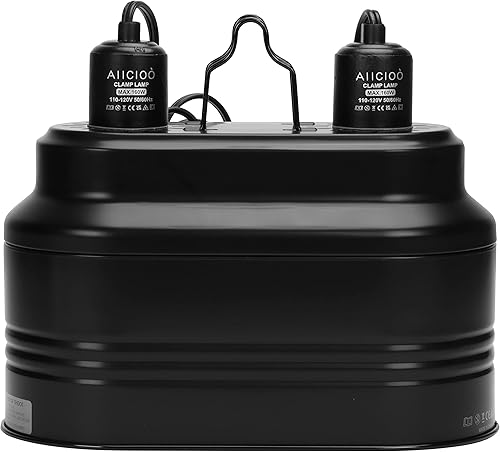 |  |  |  | 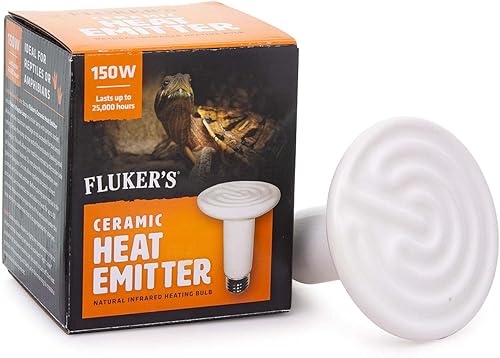 |  |  |
|---|---|---|---|---|---|---|---|---|---|---|
| Product | LUCKY HERP Ceramic Emitter | Fluker's Repta-Clamp Lamp | LUCKY HERP Dimming Fixture | Aiicioo Dual Light Fixture | Reptile Heat Lamp Timer | Deep Dome Light Fixture | LUCKY HERP Basking Bulbs | Fluker's Ceramic Emitter | UVA UVB Sun Lamp | Standard Lamp Dome |
| Brand | LUCKY HERP | Fluker's | LUCKY HERP | Aiicioo | UIWRNX | DXOPHIEX | LUCKY HERP | Fluker's | TEKIZOO | GVWRATW |
| Best for | Top Pick | Best for Large Terrariums | Best for Automated Control | Best for Dual Sources | — | Best for Concentrated Heat | Best for Natural Sunlight | Best for Night Heating | Best for Combined Output | Best for Bulb Versatility |
| The listing says | No light emitted for night use Reaches rated temperature in 4 minutes | UL/CUL approved 8.5 inch clamp lamp Rated for 150-watt bulbs | PID thermostat with 20°C- 50°C range Aluminum reflector enhances UVA/UVB output | Dual fixture supports up to 160W Two independent on/off switches | Wide-mouth shade for larger basking area Cycle timer settings for 3H/6H/9H | 5.5 inch dome, supports up to 100W 1mm thick polished aluminum reflector | 100W bulb for basking heat Simulates natural sunlight and UVA | 150 Watt ceramic infrared heat source Non-light emitting heating element | Provides UVA, UVB, and heat Suitable for many reptiles and amphibians | Supports bulbs up to 160W Deep aluminum reflector dome |
| More information | Buy on Amazon | Buy on Amazon | Buy on Amazon | Buy on Amazon | Buy on Amazon | Buy on Amazon | Buy on Amazon | Buy on Amazon | Buy on Amazon | Buy on Amazon |
1. LUCKY HERP 150W Ceramic Heat Emitter
Best for: Nighttime heating without light interference.
This ceramic emitter generates heat exclusively, ensuring your reptile can sleep undisturbed by artificial light. The thick ceramic construction is engineered for longevity, with a lifespan reaching up to 10,000 hours. Because it produces intense heat, you must maintain a distance of at least 30cm from your pet at all times to prevent injury.
The unit heats up quickly, with a noticeable temperature rise within 10 seconds and full operating heat reached in just 4 minutes. It fits standard E26 lamp bases, making installation straightforward for most enclosure setups.
Compared to basking bulbs that emit both light and heat, this emitter is strictly for temperature regulation. It serves as a no-frills solution for keepers who maintain a separate lighting schedule but require a reliable boost in ambient warmth. It isn’t intended for owners seeking a single bulb that provides both daytime brightness and heat.
To ensure safety, always use a high-quality ceramic lamp holder. Avoid turning the bulb on and off frequently, and never restart the unit immediately after it has been powered down.
- Pros:
- No light emitted
- Rapid heat rise
- Durable ceramic shell
- Cons:
- Distance requirements
- No light output
2. Fluker’s Repta-Clamp Lamp
Best for: Secure mounting on large terrariums.
The Fluker’s Repta-Clamp Lamp features a heavy-gauge aluminum dome and a ceramic socket that handles up to 150 watts of power. Its integrated clamp allows you to attach it firmly to the side of a cage or terrarium, ensuring the lamp stays exactly where you position it. It includes an on/off switch on the cord for easy daily management.
The heavy-duty aluminum construction is designed to withstand the high heat output required for larger enclosures. Because the socket is ceramic, it safely manages the intensity of high-wattage incandescent bulbs or ceramic heat emitters without degrading. This makes it a reliable choice for setups that demand consistent, high-output basking zones.
While the LUCKY HERP Dimming Fixture provides automated temperature control, this lamp is a manual fixture. It’s a robust, reliable choice for those who prefer to manage their heating manually or use external timers. This lamp isn’t for users who need built-in temperature regulation or dimming capabilities.
- Pros:
- Heavy-duty aluminum construction
- High power capacity
- Secure clamping mechanism
- Cons:
- Manual operation only
- Requires external timer
3. LUCKY HERP Reptile Light Fixture with Dimming Thermostat & Timer
Best for: Maintaining stable, automated tank temperatures.
This fixture includes an integrated thermostat that uses a PID mode to keep your terrarium at a set temperature between 20°C and 50°C. It monitors the heat in real-time and adjusts power output automatically, which helps prevent the temperature spikes that can harm a sensitive pet. It also features a built-in timer, allowing you to set heating cycles for 2, 4, 8, or 12 hours.
The system includes a power failure memory function. If the power cuts out, the device restarts automatically and resumes your previous settings. To ensure the thermostat reads the environment correctly, place the temperature probe away from the heat source. If the probe is too close to the bulb, it will detect the lamp’s heat rather than the ambient air, leading to inaccurate readings and improper cycling.
Unlike the Aiicioo Dual Light Fixture, which focuses on dual-lamp convenience, this unit is a smart controller for a single bulb. It’s an excellent choice for owners who want to “set and forget” their heating schedule. It isn’t for those who need to run two separate lights from a single power source. Note that the screen will flash if the ambient temperature drops 3°C below your target, serving as a low-temperature alert.
- Pros:
- Precise thermostat control
- Built-in timing function
- Memory after power failure
- Cons:
- Max 100W limit
- Bulb not included
4. Aiicioo Dual Reptile Light Fixture
Best for: Managing multiple heat or light sources.
The Aiicioo Dual Light Fixture allows you to run two different bulbs simultaneously from one unit. It supports a combined total of 160 watts and has two separate switches, so you can turn your basking bulb and UVB lamp on or off independently. The top of the dome is ventilated to help heat escape, which helps extend the life of your bulbs.
This unit is perfect for the standard bearded dragon setup that requires both a heat lamp and a UVB light. It’s a more flexible solution than the Standard Lamp Dome, which only holds one bulb. By consolidating your hardware, you reduce the number of power cords cluttering your outlet and simplify your daily maintenance routines.
Installation is straightforward, as the fixture includes hanging hooks for attachment to a lamp stand. If you prefer not to hang it, you can place the unit directly on top of your terrarium screen. The design includes a high-temperature warning label to help prevent accidental burns during routine handling. It isn’t for users who only have space for a single, compact light fixture or those with very small enclosures.
- Pros:
- Dual dome design
- Independent control switches
- Easy hanging hooks
- Cons:
- Requires two bulbs
- Larger footprint
5. Reptile Heat Lamp with 3H/6H/9H Timer
Best for: Flexible positioning and brightness control.
This lamp features a 360-degree gooseneck arm, making it very easy to direct heat exactly where your reptile needs it. It offers stepless dimming from 0 to 10 levels, so you can fine-tune the warmth based on the ambient temperature of your room. It also includes a cycle timer that lets you set the lamp to run for 3, 6, or 9 hours.
The wide-mouth, horn-shaped reflector is a key feature here. It expands the coverage of light and heat, providing a more spacious basking area than traditional round shades. This design helps maintain even heat distribution across your pet’s habitat.
Compared to the Fluker’s Repta-Clamp Lamp, this model offers much more versatility in positioning. It’s great for owners who need to adjust their setup frequently or have a specific basking spot that’s hard to reach. The reinforced clamp provides stable support, ensuring the light stays fixed in place once you have positioned the arm.
However, this isn’t for users who need a high-wattage fixture for a large, deep enclosure. Always ensure you use a bulb compatible with the lamp’s rated wattage and maintain sufficient clearance from surrounding objects to ensure safe operation.
- Pros:
- Flexible gooseneck arm
- Stepless dimming control
- Cycle timer included
- Cons:
- Lower wattage versatility
- Clamp-only mounting
6. 5.5inch Deep Dome Reptile Heat Lamp Reptile Light Fixture
Best for: Concentrating heat and light distribution.
The DXOPHIEX Deep Dome Light Fixture is designed to focus UVA and UVB light more efficiently than shallow domes. Its 1mm thick aluminum construction resists warping under intense heat, while the polished interior ensures maximum light reflection for your bulbs. Multiple ventilation holes at the top dissipate excess heat, which protects the bulb’s internal components and extends its lifespan.
This fixture is a solid, straightforward option similar to the Fluker’s Repta-Clamp Lamp, but it’s specifically shaped for deep light projection. Because the dome is 5.5 inches, it works best with bulbs up to 100W, including ceramic heat emitters, infrared spots, and daylight lamps. It isn’t for users who need integrated automation or smart features like timers or dimmers.
Safety is a primary focus here. The fixture includes a visual heat warning sticker that turns red when the surface temperature becomes dangerous. This provides a clear, immediate signal to avoid touching the unit or letting your pet get too close. The product is also UL certified, ensuring it meets rigorous safety standards for electrical equipment.
- Pros:
- Deep dome design
- Safety warning indicator
- UL certified
- Cons:
- Manual switch only
- No dimming function
7. LUCKY HERP Reptile Heat Lamp Bulbs 100W
Best for: Creating a natural daylight basking spot.
These 100W bulbs provide both heat and UVA light to simulate natural sunlight. They help maintain a consistent basking area, which is vital for a bearded dragon’s digestion, appetite, and activity levels. By creating a sun-like spot, these bulbs allow reptiles to regulate their body temperature effectively within their enclosure. They fit any standard E26 socket and are rated for 2,000 hours of use.
Because these bulbs emit bright light, they’re strictly for daytime use. This distinguishes them from ceramic emitters, which provide heat without light for 24-hour cycles. Using these bulbs at night would disrupt your pet’s natural sleep patterns and overall well-being. For the best performance, integrate them into a daily lighting schedule and replace the bulb periodically to ensure consistent heat and UVA output.
- Pros:
- Simulates natural sunlight
- Standard E26 base
- Promotes natural behaviors like foraging and courtship
- Cons:
- Daytime use only
- 2,000-hour lifespan
8. Fluker’s Ceramic Heat Emitter
Best for: Consistent 24-hour infrared heating.
This 150-watt ceramic emitter provides a steady source of infrared heat without the need for light. It’s designed to be a long-term solution for maintaining an appropriate environmental temperature range, day or night. It works best when paired with a compatible fixture like the Fluker’s Repta-Clamp Lamp.
This is a powerful heat source that doesn’t provide any illumination. It’s perfect for owners who want to keep their tank warm during the night without keeping the room bright. Because the element is non-light emitting, it avoids the blinding glare associated with standard basking bulbs. This allows your reptile to maintain a natural circadian rhythm while still receiving the warmth necessary for digestion and health.
It isn’t for users who want to see their pet basking under a visible light beam. The large circular design focuses the output, effectively creating a dedicated warm zone within the enclosure.
- Pros:
- Natural infrared heat
- Non-light emitting
- 24-hour heat source
- Cons:
- No visual light
- High wattage heat
9. UVA UVB Sun Lamp
Best for: Combining heat, UVA, and UVB in one bulb.
The TEKIZOO Sun Lamp is an all-in-one bulb that provides heat, UVA, and UVB light simultaneously. This simplifies your lighting setup by reducing the number of bulbs required in the terrarium. It’s a high-intensity lamp, so you must ensure your enclosure has enough space to maintain a safe distance from the bulb.
This bulb is a convenient alternative to using separate basking and UVB lights. Because it mimics the full spectrum of natural sunlight, it’s suitable for a wide range of species, including bearded dragons, tortoises, chameleons, and iguanas. It works effectively across various setups, such as tanks, vivariums, and vision cages.
However, it isn’t for use with dimmers, thermostats, or rheostats. These devices can damage the self-ballasted internal components that regulate the lamp’s output. You must use a high-quality ceramic socket to handle the heat safely. It isn’t for users who prefer to control their heat and light sources independently.
- Pros:
- All-in-one light and heat
- UVA and UVB output
- 180-day warranty
- Cons:
- No dimmers allowed
- High intensity
10. 8.5-inch Standard Lamp Dome
Best for: Versatility with multiple bulb types.
The GVWRATW Standard Lamp Dome is an 8.5-inch fixture that accommodates a wide variety of bulbs, including heat lamps, daylight spots, and UVB lights up to 160 watts. It features an extra-deep reflector to push light and UV rays downward, ensuring better distribution across the basking area. It comes with a 6-foot cord and a convenient on/off switch.
The ceramic E26 socket is built to withstand the high temperatures generated by ceramic heat emitters or basking bulbs. Because the aluminum dome is deeper than standard models, it helps focus the output, which is especially useful for bearded dragons or turtles that require a concentrated thermal gradient.
This dome is a reliable, general-purpose fixture. It’s very similar to the Fluker’s Repta-Clamp Lamp in terms of basic function and durability. It isn’t for users who need a specialized fixture with built-in timers or temperature-sensing capabilities. If you need a simple, effective way to mount a single bulb, this provides consistent performance.
- Pros:
- Wide bulb compatibility
- Extra-deep reflector
- Long 6ft cord
- Cons:
- Manual switch only
- No advanced controls
Choosing the Best Bearded Dragon Heat Lamp
Safety and Compliance
Over-powering a lamp can lead to melted sockets or fire hazards, so always verify the maximum watt rating stamped on the dome before installation. Ensure the fixture is UL or CUL-certified to verify it meets recognized safety standards. Never place a high-wattage bulb in a small, enclosed space, as heat buildup can damage both the fixture and the enclosure. Always maintain a distance of at least 30cm between the bulb and your pet to prevent burns. If a lamp surface features a heat-sensitive warning sticker, monitor it closely; if it turns red, the temperature is too high, and the setup requires immediate adjustment.
Heat vs. Light
Decide if your setup requires a constant, round-the-clock heat source or a daytime-only basking lamp. Ceramic emitters are ideal for nighttime heating because they generate warmth without the light that would disrupt your pet’s sleep cycle. Daylight basking bulbs provide the UVA rays and visible light necessary to regulate natural behaviors like foraging and digestion. If you prefer to simplify your setup, an all-in-one sun lamp provides heat, UVA, and UVB simultaneously. However, these specialized bulbs often require precise positioning and are strictly incompatible with dimmers or external thermostats. Always consult the manufacturer’s instructions, as using an incorrect control method with these bulbs can cause them to fail prematurely or operate unsafely.
Automation and Control
If you struggle to maintain consistent temperatures, consider a fixture with an integrated thermostat. These units use a probe to monitor air temperature, automatically adjusting power to keep the environment stable. This is significantly safer than relying on manual checks, as it prevents the dangerous temperature fluctuations that can affect your pet’s health. If you prefer manual control, look for a fixture with a built-in timer or a simple on/off switch. Features like stepless dimming allow you to fine-tune heat output as the seasons change or as your pet grows. Note that smart features like timers and thermostats are generally not compatible with self-ballasted mercury vapor or high-intensity UVB bulbs. Always match your control method to the specific requirements of your chosen bulb type to ensure equipment longevity.
Frequently Asked Questions
Can I use a dimmer with my UVB bulb?
Most UVB bulbs, particularly self-ballasted mercury vapor lamps, should not be used with dimmers. These bulbs require a steady, full-voltage power supply to function safely and correctly. Using a dimmer can cause flickering, incorrect UV output, or premature failure.
How often should I replace my heat lamps?
Bulbs are consumables and will eventually lose their effectiveness even if they still produce light. UVB bulbs often need replacement even sooner, as the phosphor coating that produces UV rays degrades. If a bulb stops working, check the socket for debris before assuming the bulb is faulty.
Where should I place the thermostat probe?
Place the temperature probe in the basking area, but keep it away from direct contact with the heat lamp. If the probe is too close to the bulb, it will detect the lamp’s heat rather than the ambient air temperature, leading to inaccurate readings.
What is the advantage of a deep dome?
A deep dome fixture is designed to reflect light and heat more effectively than a shallow reflector. The shape focuses the output into an intense beam, creating a specific basking spot for your bearded dragon. Ensure the dome is deep enough to fully house your bulb.
Conclusion
Once your new setup is in place, keep a close eye on your pet’s behavior over the next few days. If they’re basking happily and staying active, you’ve hit the mark. Don’t hesitate to adjust the lamp’s height if the temperature isn’t quite right; your dragon will definitely thank you for it.