
Choosing a heavy duty meat cleaver bone axe comes down to how much force you need for your butchery tasks. While many options look similar, the real differences lie in blade thickness, overall weight, and handle material. The Dalstrong Annihilator Cleaver and Dalstrong Obliterator Cleaver lead the category by providing specific weight and steel specifications that define their chopping power. You should prioritize the blade thickness and tang construction to ensure the tool handles repeated bone-in work without failing.

- 9-inch heavy cleaver for meat prep
- 6mm-thick blade with 2.9 lb weight
- 7Cr17MoV steel with full-tang construction
- Black G10 handle for secure grip
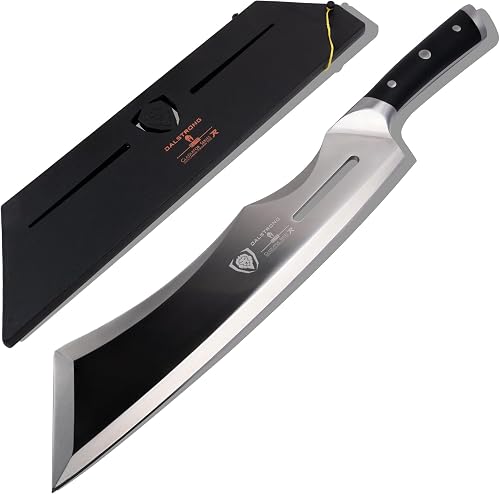
- 14-inch 7Cr17MoV steel at 60 HRC
- 6mm thick, 2.9 lbs, full-tang design
- Military-grade G-10 handle
- Includes acacia stand and saya sheath

- 7Cr17MoV stainless steel at 58±2 HRC
- Heavy-duty axe shape with V-shape edge
- Ergonomic full tang pear wood handle
- Multipurpose for meat, vegetables, and bones

- Thick spine for hard ingredients
- German steel at HRC56 ±2
- Hand-polished 18-degree edge
- Ergonomic tan and black handle

- High-carbon stainless steel for bone work
- 7.25-inch blade for chopping and mincing
- Forged blade with riveted walnut handle
- Hand wash walnut handle only
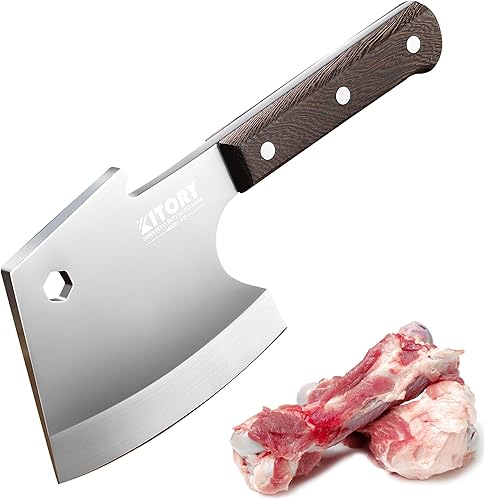
- Heavy-duty axe shape for bone cutting
- High-quality materials for frequent use
- Forged for durability and edge retention
- Wenge wood handle for robustness

- 4.5mm thick 40Cr14 steel blade
- V-shaped edge for bone cutting
- Designed for heavy duty chopping
- Long full tang rosewood handle

- 5.7-inch heavy-duty bone cleaver
- Hand-forged full tang blade
- Thick spine for impact force
- Ergonomic handle for balanced control

- Hand-forged high-temperature treated steel
- 25-degree V-shaped sharp edge
- Integrated 5mm thick full tang handle
- Includes Oxford cloth cover

- Versatile cleaver for meat and vegetables
- High-carbon German steel at 16-18 degrees
- G10 Garolite handle
- 56+ Rockwell hardness, NSF certified
Head to Head on What Matters
Blade Thickness and Material
Blade thickness determines if a cleaver splits bone or merely chips against it. A 6mm-thick blade, found on the Dalstrong Obliterator and Annihilator, provides the mass needed for heavy-duty splitting. If you’re breaking down beef quarters or cracking pumpkins, prioritize this 6mm thickness. For lighter tasks like ribs or chicken joints, a 4.5mm to 5mm blade like those on the PANROCK or ROCOCO models remains effective while offering less resistance.
High-carbon steels like 7Cr17MoV are standard for these tools because they resist rust while holding an edge through high-impact strikes. If you see a blade rated at 56–60 HRC, expect it to maintain its sharpness longer during rigorous sessions. The listing doesn’t mention the specific rate of corrosion for these steels.
Handle Construction and Grip
Full-tang construction is essential for bone work. This design ensures the metal extends through the handle, preventing the blade from snapping at the bolster under heavy impact. Models like the Dalstrong Annihilator, ROCOCO, and ENOKING use this integrated construction to transfer every ounce of your force into the cut.
Handle material dictates how the tool feels during long prep sessions. G10 composite, used by Dalstrong, is your best choice for a moisture-proof, slip-resistant grip. If you prefer natural materials, look for woods like American walnut, pear, or Wenge. Note that wood handles require hand washing; machine washing can dry out the grain and cause the handle to crack. If your handle feels slippery, it’s a sign you need a model with an ergonomic, riveted design to minimize fatigue.
Weight and Balance
Weight is your primary tool for momentum. A 2.9 lb cleaver, such as the Dalstrong Obliterator, is designed to let gravity do the cutting; you guide the blade, and the mass provides the force. Use this weight for breaking down primal cuts or thick bones. If the tool is too heavy, you’ll tire quickly during back-to-back tasks. For detail work like trimming poultry or mincing herbs, choose a lighter, more balanced cleaver like the 7.25-inch Lamson.
What the Numbers Mean for You
When choosing a meat cleaver, the numbers reveal how much effort you’ll exert. A weight of 2.9 lbs, found in larger Dalstrong models, means the blade does the heavy lifting. You don’t need to swing hard; you simply guide the blade and let gravity and mass snap through bone. If you choose a model that’s too light, you’ll rely on muscle, leading to fatigue during long sessions.
Blade thickness is equally vital. A 6mm spine is robust enough to handle the stress of splitting dense beef joints. Thinner blades, or those not designed for heavy-duty work, risk chipping if they hit hard bone repeatedly. Always look for full-tang construction, where the steel extends through the entire handle. This prevents the handle from snapping off under the pressure of a difficult chop.
If your handle is made of wood, such as walnut or pear, prioritize hand washing. Machine washing dries out and cracks wood, which compromises the tool’s integrity. If you’re working with oily meats, a wood handle can actually be an advantage, as it absorbs grease to prevent slipping.
For professional or high-volume home use, look for NSF certification. This standard ensures the materials are durable and easy to sanitize. If you’re choosing between models, remember that a longer handle, like those found on some 8-inch butcher knives, provides extra leverage for a more efficient stroke. Match the blade length to your specific task; a 5-inch mini cleaver is excellent for precision, while a 14-inch blade is built for breaking down large quarters of beef.
1. Dalstrong Obliterator 9-Inch Heavy Duty Meat Cleaver with Stand
Best for: Heavy-duty poultry and meat portioning.
The Dalstrong Obliterator Cleaver is built for those who need substantial momentum. Its 2.9 lb weight and 6mm-thick blade are designed to handle large-scale prep for the grill or smoker. The full-tang construction adds stability, ensuring the tool feels solid in the hand during heavy chopping.
Choose this blade when weight is part of the task. If you’re portioning large cuts or breaking down poultry, the mass does the work for you. However, if your kitchen tasks involve delicate work or light vegetable prep, the weight will quickly lead to fatigue.
The high-carbon 7Cr17MoV steel is paired with a thick black G10 handle. This grip is specifically designed for positioning and guiding the blade through dense proteins. When you store the tool, use the included acacia wood stand for display or the fitted sheath for safety. The sheath features a retaining pin and string to keep the blade secure when not in use.
Pros
- Substantial 2.9 lb weight for chopping momentum.
- Thick 6mm blade spine for durability.
- Full-tang construction for improved balance.
- Includes acacia wood stand and fitted sheath.
Cons
- Heavy weight may cause fatigue for some users.
2. Dalstrong Annihilator 14″ Meat Cleaver
Best for: Pitmasters and heavy-duty butcher work.
The Dalstrong Annihilator Cleaver is designed as a professional-grade fixture for breaking down large cuts of beef or pork. At 14 inches long with a 6mm-thick blade, it provides the reach and force necessary for splitting joints in a single stroke.
If you’re trimming a whole brisket or sectioning a pork shoulder, let the 2.9 lbs of mass do the work for you. You simply guide the blade, and the controlled weight provides the force. Use a pinch-grip to maintain control during long prep sessions; the military-grade G10 handle is polished to prevent slipping and fatigue.
This tool isn’t for the casual cook who lacks the space to store a 14-inch blade. If you have a butcher-block wall or a sturdy counter, use the included acacia wood display stand to keep it accessible. If you’re working in a tight kitchen, store it in the provided PerfectFit saya sheath to protect the razor-sharp edge.
Pros
- A large, sweeping blade for extensive butchery.
- 60 HRC rated high-carbon steel.
- Military-grade G10 handle for superior grip.
- NSF certified for professional use.
Cons
- Size requires significant storage space.
- Too heavy for delicate slicing or fine vegetable work.
3. BLADESMITH Meat Cleaver Butcher Axe Bone Chopper Heavy Duty
Best for: Chopping through tough bone-in cuts.
The BLADESMITH Bone Chopper features a 58±2 HRC high-strength stainless steel blade designed to resist rust and maintain sharpness. Its axe-like shape is specifically engineered to handle hard ingredients without feeling jarring during the impact. The pear wood handle is designed to absorb oil, which helps prevent slipping when working with meat. This cleaver isn’t for those who prefer a traditional, lighter chef’s knife profile.
If you’re processing poultry or heavy bone-in cuts, rely on the full-tang construction to handle the force. However, if you’re performing delicate tasks like fine dicing, the blade’s heavy, thickened profile will feel cumbersome and imprecise. Avoid using the edge for prying, as the high-density V-shape is tuned for slicing and chopping, not leverage.
To maximize the handle’s grip, keep it exposed to the natural oils from your meat. For the BLADESMITH model, the listing notes that a layer of grease can enhance the pear wood handle’s corrosion resistance. If the handle feels dry or slick, it isn’t performing as intended.
Pros
- High-density V-shape edge for sharpness.
- Pear wood handle offers good grip.
- Full-tang construction for strength.
Cons
- Pear wood requires careful maintenance to remain effective.
- Heavy design makes it unsuitable for precision work.
4. TUO Meat Cleaver
Best for: Durable construction and edge retention.
The TUO Meat Cleaver uses German stainless steel treated with nitrogen for increased hardness and corrosion resistance. Its 7-inch blade is hand-polished using the Honbazuke method, resulting in an 18-degree edge for efficient cutting.
The thicker spine and forward-weighted balance are engineered specifically for heavy-duty tasks. Use this tool when you need to split pork ribs, bone-in beef, or stubborn, hard-skinned vegetables. If you’re preparing soft produce or delicate herbs, the weight will feel excessive and cumbersome; switch to a lighter chef’s knife for those tasks to avoid hand fatigue.
The unique tiger-fur pattern on the handle offers a distinct aesthetic compared to standard black-handled knives. This isn’t the best choice if you prefer a minimalist, plain design.
Pros
- Nitrogen-treated steel (HRC56 ±2) for better edge performance.
- Forward-weighted balance for optimal splitting force.
- Ergonomic handle design for comfort.
- Lifetime guarantee against manufacturer defects.
Cons
- The aesthetic design may not suit every kitchen style.
- Heavy construction is inefficient for precision slicing or soft ingredients.
5. Lamson Meat Cleaver
Best for: Ergonomic balance and versatile kitchen prep.
The Lamson Meat Cleaver is forged from high-carbon stainless steel and features a classic American walnut handle. At 7.25 inches, it’s versatile enough to split chicken joints or mince herbs with a rocking motion. The forged construction provides the necessary mass for bone work while remaining manageable.
If you need to split through bone rather than around it, rely on the weight of this forged blade. Stamped knives lack the density required for heavy tasks like pork ribs. If you’re choosing between the walnut and the Midnight composite handle, remember that wood requires hand-washing to prevent drying and cracking. The composite version is a dishwasher-safe alternative if you prefer that maintenance style.
Use the broad face of the blade to smash garlic and ginger. This flat surface then acts as a bench scraper to transfer ingredients from board to pan in one sweep.
Pros
- Forged construction provides excellent mass.
- Solid American walnut handle with brass rivets.
- Versatile 7.25-inch blade length.
Cons
- Requires hand-washing for the wood handle.
- Walnut is prone to cracking if exposed to high-heat dishwasher cycles.
6. Kitory Bone Cleaver
Best for: Heavy-duty bone breaking tasks.
The Kitory Bone Cleaver utilizes a thick, axe-shaped blade designed specifically for high-impact kitchen work. Because it’s forged using traditional techniques, the metal maintains superior edge retention even after frequent contact with dense materials. If your primary task involves breaking through thick bones or frozen meat, this tool provides the necessary force.
The handle features Wenge wood, a material chosen for both its extreme robustness and its polished appearance. This full-tang construction ensures the blade remains stable during heavy strikes. You should choose this cleaver if you require a dedicated tool for butcher-style preparation rather than delicate slicing or vegetable prep.
A common mistake is using this specialized axe shape for precision work; doing so will likely result in uneven cuts and unnecessary fatigue. If you’re preparing large portions of meat, use the weight of the blade to do the work rather than applying excessive downward pressure.
Pros
- Axe-shaped blade for heavy-duty tasks.
- Wenge wood handle is highly robust.
- Full-tang design for reliability.
Cons
- No stated sheath or storage included.
7. PANROCK Heavy Duty Butcher Knife
Best for: Professional-grade butchery and bone chopping.
The PANROCK Butcher Knife features a 4.5mm thick blade made from 40Cr14 steel, which is designed to be rust-proof and solid. Its handle is 20% longer than standard cleavers, providing extra leverage for easier chopping strokes. The blade’s spine can be used for tenderizing meat, adding to its utility. This cleaver isn’t for those who want a compact tool, as the extra-long handle increases the overall footprint.
If you’re processing ribs, pork bones, or lamb chops, the weight of the 4.5mm blade provides the necessary force to clear the cut in a single stroke. For lighter tasks like crushing garlic or ginger, use the flat of the blade.
Choose this tool when you need a full-tang construction for stability. If you feel the knife slipping during prolonged work, the rosewood handle is designed to minimize fatigue. However, if your primary goal is delicate vegetable slicing, the thickness of this blade may prove too heavy for precision work.
Always hand wash this knife to maintain the integrity of the steel. While it’s built for heavy-duty tasks, keep it clean and dry after every use to ensure the edge remains sharp.
Pros
- Extra-long handle provides better leverage.
- 4.5mm thick blade for solid impact.
- Rosewood handle is stable and ergonomic.
Cons
- Larger size may feel cumbersome for small hands.
8. ENOKING 5.7″ Bone Cleaver Knife
Best for: Stability during heavy chopping.
The ENOKING Bone Cleaver is a 5.7-inch hand-forged tool designed for serious bone cutting. Its full-tang construction and thick spine provide the impact force needed for ribs and poultry. It includes a leather sheath, making it a safe choice for transport or storage in a drawer.
Use this tool when you face poultry bones, pork bones, or ribs that would chip the edge of a standard chef’s knife. The reinforced spine adds the necessary weight to drive through tough meat prep efficiently. If you’re preparing delicate vegetables or thin slices of meat, choose a lighter blade instead. Using this cleaver for precision work leads to poor accuracy and unnecessary hand fatigue.
The ergonomic handle is balanced to provide control during repeated chopping motions. Keep the blade in the included leather sheath when not in use to protect the edge and your fingers.
Pros
- Hand-forged full-tang blade for strength.
- Thick spine for efficient bone cutting.
- Includes a leather sheath for safety.
Cons
- Smaller 5.7-inch blade limits reach.
- Not intended for light slicing or fine dicing tasks.
9. ROCOCO Meat Bone Cleaver Knife
Best for: Versatile outdoor and indoor use.
The ROCOCO Meat Cleaver is hand-forged from high-carbon stainless steel with a 5mm-thick blade. It features an integrated full-tang handle that eliminates the risk of handle breakage. The 25-degree edge is designed to minimize cutting resistance, making it suitable for both kitchen butchery and outdoor tasks like camping.
If you use this tool for heavy-duty tasks like chopping cow, pig, or sheep bones, you must ensure the blade remains clean and dry immediately after use. Failing to do so will lead to rust, which compromises the high-carbon steel. If you’re preparing frozen food or wood, the integrated construction provides the necessary leverage to prevent the handle from snapping under pressure.
This tool isn’t for those who dislike manual maintenance. If you prioritize a “set it and forget it” kitchen tool, the requirement to hand-dry the blade after every single use will become a frustration. However, if you need a portable axe for hunting or camping, the included Oxford cloth cover makes it a reliable companion.
Pros
- 5mm thick blade for heavy-duty use.
- Integrated full-tang handle for durability.
- Includes an Oxford cloth cover for portability.
Cons
- Requires consistent drying to prevent rust.
10. Dalstrong 5″ Mini Meat Cleaver Axe
Best for: Compact prep and knuckle clearance.
The Dalstrong Mini Cleaver is a 5-inch tool that offers a balance of precision and heft. Despite its size, it’s built with high-carbon German steel and a G10 handle, ensuring a sanitary and durable build. The tall blade height provides useful knuckle clearance for chopping vegetables or small meat portions.
This cleaver is engineered to a 56+ Rockwell hardness, which provides the necessary edge retention for daily kitchen tasks. Because the blade is carefully tapered, you experience minimal slicing resistance compared to thicker, heavier cleavers. If your primary goal is precision work on squashes, shanks, or ribs, the 16-18° edge angle per side delivers the sharpness required.
However, this tool isn’t for those who need to break down large, bone-in beef quarters. Using a 5-inch blade on massive, dense joints risks damaging the edge or causing hand fatigue. If you’re regularly splitting large joints, choose a heavier, thicker blade. If your work consists of a mix of herbs, poultry, and smaller vegetables, the ergonomic nature of this mini cleaver is the superior choice.
Pros
- A compact, maneuverable design for versatile prep.
- Tall blade height for knuckle clearance.
- NSF certified for professional use.
Cons
- Not designed for large bone-breaking tasks.
For most users, the Dalstrong Annihilator Cleaver is the winner for heavy-duty bone work due to its reach and weight, while the Lamson Meat Cleaver is the safer, more balanced choice for a general-purpose kitchen tool. If you remain unsure, look at your primary tasks: if you’re splitting large joints, choose the heavier, thicker blades, but if you’re doing a mix of herbs and poultry, choose a smaller, more ergonomic option.
Frequently Asked Questions
Is a bigger number for blade thickness always better?
A thicker blade provides more mass and impact force, which is ideal for splitting dense bones. However, a thicker blade can also be harder to use for delicate slicing or mincing. If you only plan to chop vegetables or small poultry bones, a massive 6mm blade may feel too heavy and create unnecessary work. Choose the thickness that matches the density of the items you chop most often.
What does the HRC rating mean for a cleaver?
The HRC rating, or Rockwell Hardness, measures how hard the steel is. A higher number generally means the blade can hold a sharper edge for longer, but it may become more brittle and prone to chipping if used on very hard bones. A lower HRC rating is often tougher and more resistant to impacts. Most heavy-duty cleavers find a balance between these two properties to ensure the blade doesn’t break during use.
How do I compare different handle materials?
Handle materials vary in grip, moisture resistance, and maintenance needs. G10 and composite materials are highly resistant to moisture and oil, making them excellent for professional kitchens where the knife is used constantly. Natural woods like American walnut or Wenge are comfortable and aesthetically pleasing but require hand-washing and periodic oiling to prevent cracking. Choose based on whether you prefer a low-maintenance synthetic or a traditional wood feel.
Can I use my cleaver for things other than bone?
Yes, most heavy-duty cleavers are multipurpose. The broad face of the blade can be used to smash garlic or ginger, while the spine can tenderize meat. Some users even use the blade as a bench scraper to scoop up chopped ingredients. However, avoid using your bone cleaver for fine dicing or tasks where precision is required, as the thickness of the blade is designed for force rather than finesse.
Conclusion
Investing in a high-quality tool makes your time in the kitchen much more efficient. Once you’ve selected the right weight for your needs, you’ll find that breaking down tough cuts feels effortless. Don’t forget to keep your blade sharp, as a well-maintained edge is the secret to getting years of reliable service.