
Finding the best knife for fruit depends on your habits, with the Mercer Culinary Millennia Paring serving as a reliable professional-grade tool and the Victorinox Swiss Classic Paring excelling at slicing soft skins. These tools differ mainly in blade shape, edge type, and handle materials, so choose based on the produce you handle most often.
All 10 products side by side — scroll sideways to see every column.
| Top Pick | Best for Dishwashers | Best for Meal Prep | Best for Precision | Best for Larger Produce | Best for Peeling | Best for Soft Skins | ||||
| Preview |  |  |  |  | 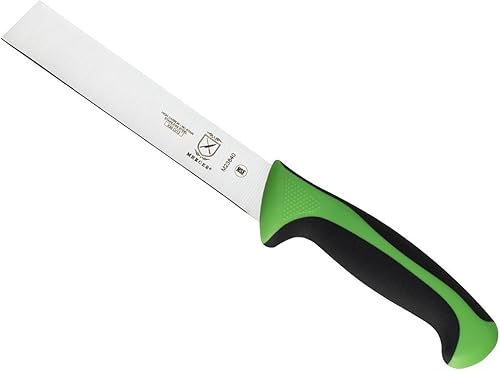 |  |  |  | 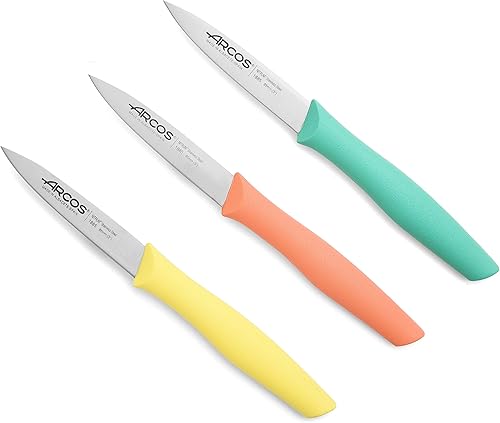 |  |
|---|---|---|---|---|---|---|---|---|---|---|
| Product | Mercer Culinary Millennia Paring | Victorinox Swiss Classic Paring | Henckels Solution Paring | imarku Paring Knife | Mercer Culinary Produce Knife | Farberware Edgekeeper Paring | Bird Beak Tourné Knife | Zyliss Classic Paring Set | ARCOS Paring Knife Set | Henckels Statement Utility |
| Brand | Mercer Culinary | Victorinox | HENCKELS | imarku | Mercer Culinary | Farberware | OAKSWARE | Zyliss | Arcos | HENCKELS |
| Best for | Best Overall | Best for Dishwashers | Best for Meal Prep | Best for Precision | Best for Larger Produce | — | Best for Peeling | Best for Soft Skins | — | — |
| The listing says | One-piece high-carbon Japanese steel Ergonomic handle with non-slip grip | For cutting vegetables and fruits Ultrasharp wavy edge and ergonomic handle | Professional-level sharp blades German engineered for durability | Finely honed 12±2° edge Durable 3-layer steel core | One-piece high-carbon Japanese steel Ergonomic handle with non-slip grip | 3-1/2 inch paring knife EdgeKeeper sheath with built-in sharpener | 2.75-inch compact peeling knife German stainless steel X50CrMoV15 blades | Includes straight and serrated knives 15-degree hollow-ground stainless steel edge | NITRUM stainless steel blade Ergonomic polypropylene handle | Professional-level sharp blades German engineered for durability |
| More information | Price on Amazon | Price on Amazon | Price on Amazon | Price on Amazon | Price on Amazon | Price on Amazon | Price on Amazon | Price on Amazon | Price on Amazon | Price on Amazon |
1. Mercer Culinary M22003 Millennia Black Handle
Best for: Someone who wants a professional-style tool for daily intricate work.
This knife uses high-carbon Japanese steel, which is designed for long-lasting sharpness and easier edge maintenance. Its handle features a textured, ergonomic design that provides a non-slip grip to help keep you safe while you work.
The compact 3.5-inch size makes it perfect for detailed tasks like seeding jalapenos, trimming beans, or deveining shrimp. If you’re preparing delicate garnishes, the one-piece construction offers the control needed for precise cuts.
You must wash this knife by hand with warm water and mild soap after every use. Never submerge the blade for long periods or place it in the dishwasher.
Good if:
- You enjoy detailed prep work.
- You prefer a textured, non-slip handle.
- You want professional-grade Japanese steel.
Skip it if:
- You insist on using a dishwasher.
- You prefer a serrated blade for soft skins.
- You’re unwilling to hand-dry your cutlery immediately after washing to prevent moisture damage.
2. Victorinox Swiss Classic 3.25 In Paring Knife
Best for: Someone who needs a sharp, serrated blade for soft fruit skins.
This knife features an ultrasharp wavy edge designed to glide through delicate skins without crushing the interior. Because of this serrated geometry, the tool excels at slicing tomatoes or citrus fruits that would otherwise tear under a duller blade.
Being Swiss-made and dishwasher safe, it offers a functional balance of high performance and simple maintenance for a busy home kitchen. You can rely on this blade for daily prep work, but it isn’t built for heavy-duty chopping or tasks that require a perfectly smooth, straight-edge cut for professional garnishing.
If you find your produce bruising during prep, the serrated spear point is your immediate fix. However, if you’re attempting to create clean, paper-thin slices for a presentation, use a straight-edged knife instead. The wavy edge will catch on the surface and prevent the precision required for decorative work.
Good if:
- You want a dishwasher-safe option.
- You slice many tomatoes or citrus fruits.
- You prefer a lightweight, ergonomic build.
Skip it if:
- You need a straight blade for decorative garnishing.
- You want to perform heavy-duty dicing tasks.
3. Henckels Solution 4 Inch Paring Knife
Best for: A home cook who values German engineering and low maintenance.
This knife features a single-piece, precision-stamped blade engineered for professional-level sharpness. Because the steel is finely honed and satin-finished, it maintains its edge significantly longer than standard blades, even when you provide minimal care. If your priority is a tool that stays sharp through daily use without requiring constant professional honing, this is your primary option.
The construction is entirely stain and rust-free. You can safely place the knife in the dishwasher after prep, which saves time compared to knives requiring immediate hand drying. If you find yourself scrubbing blades for minutes after every meal, the convenience of this low-maintenance design will pay for itself in saved time.
However, avoid this model if you require a specialized blade shape for intricate peeling tasks or if you prefer the aesthetic and grip of a traditional wooden handle. This knife is designed for the efficiency of modern, high-speed kitchens rather than traditional artisanal aesthetics.
Good if:
- You want a dishwasher-safe, low-maintenance tool.
- You value a lightweight, easy-to-use design.
- You prefer a classic, German-engineered blade.
Skip it if:
- You want a specialized tool for peeling curved items.
- You prefer premium handle materials like wood.
4. imarku Paring Knife 3.75 Inch
Best for: Someone who wants high-quality Japanese steel with an aesthetic handle.
This knife features a 3-layer steel core and a 12-degree edge, which is honed for precision when slicing through apples or lemons. The ergonomic pakkawood handle provides a balanced, natural feel that helps reduce hand fatigue during longer prep sessions.
The blade is designed to resist chipping, which supports reliable daily use. If you’re prepping large batches of fruit, the 3.75-inch length offers the control required for detailed trimming. Avoid using this knife on frozen foods or dense bones, as the fine edge is engineered for delicate produce rather than heavy-duty hacking.
Hand-wash this knife immediately after use to protect the FSC-certified wood handle from moisture damage. It isn’t for users who prefer a fully synthetic handle.
Good if:
- You want a very sharp, precise edge.
- You appreciate the look of a wood handle.
- You handle frequent fruit-peeling tasks.
Skip it if:
- You need a knife that’s dishwasher safe.
- You prefer a rubberized grip.
5. Mercer Culinary Millennia Colors 6-Inch Produce Knife
Best for: Someone who regularly prepares larger fruits and vegetables.
With a 6-inch blade, this knife is suited for slicing larger produce like onions, cucumbers, and celery. It shares the high-carbon Japanese steel construction and textured, non-slip handle found in the smaller Millennia series models.
The green handle is color-coded specifically for produce, helping to organize your kitchen workflow. It isn’t for tasks that require the extreme precision of a smaller, 3-inch paring knife.
To maintain the edge, wash the blade by hand with mild soap and warm water. Never submerge it in water or place it in the dishwasher, as these habits will dull the high-carbon steel and compromise the handle’s integrity. If the blade loses its bite, the Japanese steel is designed for straightforward edge maintenance.
Good if:
- You slice large vegetables like onions and cucumbers.
- You like color-coded kitchen tools.
- You want a non-slip, professional-style grip.
Skip it if:
- You only need a knife for small, intricate tasks.
- You have limited drawer space for longer blades.
6. Farberware Edgekeeper 3.5-Inch Paring Knife with Self-Sharpening Blade Cover
Best for: Someone who wants to maintain a razor-sharp edge without the manual labor of using whetstones or honing rods.
The standout feature is the protective sheath with a built-in sharpener. Every time you slide the knife in or out, the mechanism hones the high-carbon stainless steel. This keeps the blade ready for precision tasks like peeling, slicing, or garnishing fruits and vegetables.
If you store your knives in a wooden block, this model is likely a poor fit. The Edgekeeper requires the specific sheath to function, so it must be stored in a drawer or on a counter. Using a block will prevent you from accessing the sharpening feature, effectively turning it into a standard knife.
The ergonomic handle is built for comfort during repetitive dicing or mincing. To protect the integrity of the steel, always hand wash the blade with mild detergent and dry it immediately. You should wipe the interior of the protective cover with a damp cloth periodically to remove metal shavings.
Good if:
- You struggle to keep your knives sharp.
- You want an all-in-one sharpening solution.
- You do mostly light peeling and slicing.
Skip it if:
- You prefer to store knives in a block.
- You already own a dedicated sharpening stone.
7. Bird Beak Tourné Knife
Best for: Someone who frequently peels round fruits or creates decorative garnishes.
The short 2.75-inch curved blade is designed specifically for peeling potatoes, apples, and other round produce. It uses imported German stainless steel, hand-sharpened to 15 degrees per side for maximum sharpness. The full-tang, three-rivet handle provides excellent balance and a sturdy, ergonomic grip.
The tip of the beak is shaped to help you create spherical garnishes with ease. If you’re trimming curved surfaces, this compact tool offers the flexibility required for precision work. However, it isn’t a general-purpose knife and will feel awkward for someone who just wants to slice flat ingredients like bread or cheese.
If you struggle to maintain an edge, remember that the blade is heat-treated for retention. To protect this finish, always wash the knife by hand with a soapy cloth under running water. Never place it in a dishwasher, as this will compromise the glossiness and sharpness of the steel.
Good if:
- You peel a lot of round fruits.
- You enjoy creating decorative food garnishes.
- You want a heavy, balanced, full-tang handle.
Skip it if:
- You want a versatile knife for dicing and slicing.
- You don’t need to peel curved surfaces.
8. Zyliss Classic 2 Piece Paring Knife Set with Straight &
Best for: A first-time buyer who wants both straight and serrated options.
This set covers all the bases by including a straight-edge knife for precision and a serrated knife for soft-skinned fruits. The handles are made from wheat straw, and the blades feature integrated finger guards for added safety.
The hollow-ground edge on the straight blade provides a controlled cut for intricate tasks. Because this is a set of two, it isn’t for someone who wants to keep their cutlery drawer as minimal as possible.
Use the straight blade for peeling and trimming tasks that require a clean, sharp edge. Switch to the serrated blade specifically for tomatoes or citrus to avoid crushing delicate skins. If you find your slices are tearing, you’re likely using the straight blade on a soft-skinned item; swap to the serrated option to regain control.
Good if:
- You want both straight and serrated blades.
- You like the idea of integrated finger guards.
- You’re buying your first set of kitchen knives.
Skip it if:
- You only want a single, high-performance knife.
- You prefer stainless steel handles over wheat straw.
- You require a professional-grade tool rather than a versatile everyday pair.
9. ARCOS 3-Piece Paring Knife Set
Best for: A cook who wants a durable, hygienic set for various tasks.
These knives use a patented NITRUM steel technique that increases hardness and rust resistance. The handles are made from polypropylene, a hygienic material that stands up to high temperatures and is dishwasher safe.
This set is lightweight and designed for agility, making it easy to handle multiple ingredients in one session. Each knife measures 155 mm in total length with a 3.5-inch blade, specifically sized for precise peeling and trimming. If you’re prepping small items like sausages or vegetables, this compact profile offers better control than a standard chef’s knife.
It isn’t for someone who prefers the weight and feel of a wood-handled knife. If you find that lightweight tools feel flimsy in your palm, the 100-gram build may not provide the tactile feedback you expect.
Good if:
- You need a dishwasher-safe set.
- You want high resistance to rust and heat.
- You prefer a lightweight, agile knife design.
Skip it if:
- You dislike synthetic polypropylene handles.
- You want a heavier, more substantial grip.
10. Henckels Statement 5-Inch Serrated Utility Knife
Best for: Someone who needs a mid-sized knife for both fruit and meat.
This 5-inch serrated utility knife is designed for versatility, handling everything from mid-sized fruits to meats and cheeses. Like other Henckels models, it features a precision-stamped blade and is built for longevity. Its German-engineered construction relies on over 100 years of mastery to ensure the blade stays sharp longer with minimal care.
It’s lightweight and easy to clean, making it a reliable “grab-and-go” knife for quick kitchen tasks. If you’re prepping a charcuterie board or slicing through tough skins, the serrated edge provides effortless cutting.
However, avoid this tool if you need the surgical precision of a small, specialized paring knife for delicate work like deveining shrimp. If your primary task involves heavy dicing or fine vegetable work, a straight blade will offer better control.
Good if:
- You want one knife for fruit and meat.
- You prefer a serrated edge for easy cutting.
- You want a low-maintenance, dishwasher-safe tool.
Skip it if:
- You need a very small knife for tiny produce.
- You prefer a straight blade for dicing vegetables.
How to choose the best fruit cutting knives
Many of these knives serve similar functions, making the choice a matter of personal preference regarding handle material or brand loyalty. For instance, the Mercer Culinary Millennia, imarku, and Henckels Solution paring knives all excel at general-purpose peeling and trimming. When choosing between these, focus on the grip: the Mercer uses a textured, non-slip surface, the imarku features a natural pakkawood handle, and the Henckels offers a lightweight, classic ergonomic design.
Serrated options, such as the Victorinox Swiss Classic and the Henckels Statement Utility, also overlap in function. Both handle soft skins well, but size is the primary differentiator. If your prep work involves mostly small fruits, the 3.25-inch Victorinox is more agile. If you move from fruit to larger items like meat or cheese, the 5-inch Henckels utility design provides necessary reach.
Maintenance requirements often dictate your final decision. If you prefer the convenience of a dishwasher, look for options like the Henckels Solution or the ARCOS set, which are explicitly built for that level of cleaning. Conversely, if you choose a Mercer or the Bird Beak Tourné, you must commit to hand washing with mild soap to ensure the longevity of the blade and handle.
Finally, consider the scope of your tasks. Sets like the Zyliss and ARCOS offer immediate versatility for varied kitchen chores. However, specialized tools like the 2.75-inch Bird Beak Tourné or the 6-inch Mercer Produce knife are best reserved for specific, repeat motions—such as creating decorative garnishes or slicing celery—that a standard 3.5-inch paring knife can’t handle as efficiently. Match the tool to your most frequent kitchen routine.
Still Not Sure?
How often will I actually use this for fruit?
If you rarely prep fruit, a single, versatile knife like the Henckels Solution Paring will serve you well without cluttering your drawer. However, if you’re a daily user who creates fruit salads or snacks, you’ll appreciate the specialized design of the imarku Paring Knife or the serrated edge of the Victorinox Swiss Classic Paring. Frequent use justifies a tool that feels comfortable in your hand for longer periods. If you’re unsure of your frequency, start with a simple, high-quality, straight-edge blade like the Mercer Culinary Millennia Paring.
What do I already own that this must work with?
Think about how you store your current tools. If you use a magnetic strip or a knife block, almost any of these will fit. If you prefer keeping tools in a drawer, the Farberware Edgekeeper Paring is an excellent choice because its sheath protects the blade and keeps it sharp automatically. If you already have a set of large chef’s knives, you might only need the Bird Beak Tourné Knife to handle the peeling tasks your larger blades can’t perform. Always choose a knife that complements your existing kitchen storage and tool collection.
What am I most likely to regret choosing?
Regret usually comes from picking a tool that’s too specialized for your general needs. If you buy a Bird Beak Tourné Knife but actually need a blade for dicing, you’ll find it frustrating to use. Similarly, if you prioritize dishwasher safety but choose a knife that requires hand washing, you’ll likely neglect proper care and shorten the life of the blade. To avoid this, be honest about your maintenance habits. If you refuse to hand wash, stick to dishwasher-safe options like the ARCOS Paring Knife Set or Henckels Statement Utility.
Related guides
- 10 Japanese Knife for Vegetables: Top Picks for Precision and Durability
- 10 Best Fruit Knife With Cover: Top Picks for Safe, Sharp, and Stylish Cutting
- 10 Best Food Carving Knife Set: Essential Tools for Perfect Fruit and Vegetable Sculpting
Frequently Asked Questions
Can I use a paring knife for all types of fruit?
A paring knife is primarily designed for small, intricate tasks like peeling, trimming, and coring. For smaller fruits like apples or strawberries, a compact blade like the Mercer Culinary Millennia Paring is perfect. Note that a paring knife is inefficient for larger produce like melons, which require a larger blade.
Should I choose a serrated or straight-edge knife for fruit?
A serrated edge is ideal for soft-skinned fruits like tomatoes, as the teeth grip the skin to prevent crushing the flesh. The Victorinox Swiss Classic Paring features this design for delicate produce. A straight-edge knife is better for firmer produce like apples, as it provides a clean, smooth cut.
What does “full-tang” mean for a paring knife?
A full-tang knife features a blade that extends through the handle, offering better balance and durability. This construction is featured in the Bird Beak Tourné Knife to ensure the handle remains secure during use. While this design indicates higher quality, it is not strictly necessary for every light-duty kitchen task.
How do I maintain the edge on my fruit knife?
Proper maintenance is essential to keep your blade sharp and effective. If your knife is not dishwasher safe, always hand wash it with mild soap and dry it completely to prevent rust. For those who struggle with manual sharpening, a self-sharpening tool like the Farberware Edgekeeper Paring ensures the blade stays sharp.
Conclusion
Picking the right blade makes your daily snack prep feel much less like a chore. Once you’ve settled on a favorite, don’t forget to keep it sharp with a simple honing steel. You’ll find that a well-maintained edge makes every slice safer and more satisfying, so enjoy your fresh fruit!