
Choosing the right tool for your kitchen depends on how you balance your time between prepping fresh produce and breaking down proteins. While some knives are designed as all-rounders that handle both tasks reasonably well, others are specialized for the specific resistance of meat fibers or the delicate nature of vegetable skins. The best best knifes for vegies vs meat food for you comes down to whether you prefer a multipurpose blade that simplifies your drawer or a dedicated tool that excels at one specific motion, such as heavy chopping or thin slicing. If you want a versatile daily workhorse, the Victorinox Fibrox Pro is often the go-to, while those who prioritize dedicated vegetable prep usually lean toward the HOSHANHO Nakiri Knife.
All 10 products side by side — scroll sideways to see every column.
| Top Pick | Best for Vegetables | Best for Wrist Strain | Best for Meat Cuts | Best for Gift Sets | Best for Balanced Grip | Best for Precision | Best for Breaking Meat | |||
| Preview |  |  |  | 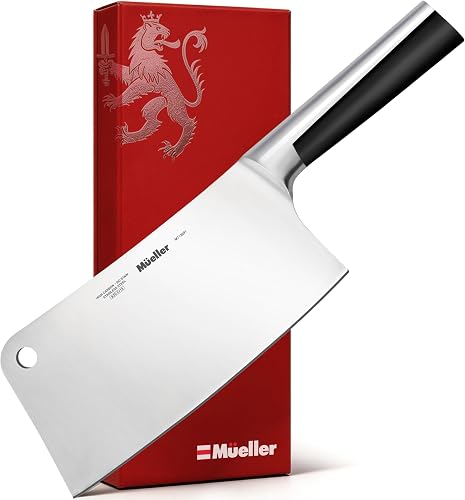 |  |  |  |  |  |  |
|---|---|---|---|---|---|---|---|---|---|---|
| Product | Victorinox Fibrox Pro | HOSHANHO Nakiri Knife | imarku Santoku Knife | Mueller Meat Cleaver | MOSFiATA Chef Knife | Mercer Culinary Millennia | PAUDIN Chef Knife | Henckels Solution Santoku | Victorinox Fibrox Breaking | Chinese Chef's Knife |
| Brand | Victorinox | HOSHANHO | imarku | Mueller | MOSFiATA | Mercer Culinary | PAUDIN | HENCKELS | Victorinox | OAKSWARE |
| Best for | Top Pick | Best for Vegetables | Best for Wrist Strain | Best for Meat Cuts | Best for Gift Sets | — | Best for Balanced Grip | Best for Precision | Best for Breaking Meat | — |
| The listing says | Tapered stainless steel edge Chops, minces, slices and dices | Hand-polished 15 degree edge 7 inch 10Cr15CoMoV steel blade | Double-bevel 0.1-inch thick edge 7 inch blade with steel handle | Rust-resistant stainless steel Multipurpose for chopping and slicing | 12.5 degree German high carbon steel Full tang Micarta handle | One-piece high-carbon Japanese steel Ergonomic handle with finger points | Professional chef's knife 8 inch multi-functional blade | Professional-level sharp blades German engineered construction | Wide blade for breaking down meat Swiss made high-carbon stainless steel | 7 inch vegetable cleaver 1.4116 high-carbon stainless steel |
| More information | Buy on Amazon | Buy on Amazon | Buy on Amazon | Buy on Amazon | Buy on Amazon | Buy on Amazon | Buy on Amazon | Buy on Amazon | Buy on Amazon | Buy on Amazon |
1. Victorinox Fibrox Pro 8 Inch Chef’s Knife
Best for: A home cook who wants one reliable, low-maintenance kitchen knife.
This knife is built to be a primary tool for all common kitchen chores. Its tapered stainless steel edge is designed for efficiency, whether you’re dicing onions or slicing through meat. The handle uses thermoplastic elastomer, which provides a non-slip grip that stays secure even when your hands are wet during food prep.
The blade length is standard for chef knives, offering enough reach for larger vegetables while remaining nimble enough for smaller tasks. Because it’s dishwasher safe, it suits busy households that value quick cleanup, though you should remember that specific sharpeners are sold separately for long-term edge maintenance. It isn’t the right choice for someone who needs a heavy-duty cleaver for dense bones or extremely thick cartilage.
Good if:
- You want a trusted, long-term kitchen staple.
- You prefer a handle that remains grippy when wet.
- You need a balanced knife for varied daily tasks.
Skip it if:
- You require a specialized heavy blade for chopping bones.
- You prefer a wooden handle aesthetic.
2. HOSHANHO 7 Inch Nakiri Knife
Best for: A vegetable-focused cook who prepares large amounts of produce daily.
This Nakiri knife is crafted with a 15-degree edge angle, which is sharpened for precision. The high carbon steel is vacuum-treated to reach a hardness of 60HRC, meaning it’s designed to hold its sharpness through many sessions of chopping cabbage, carrots, or leafy greens. The scallop-shaped hollow pits on the side of the blade help prevent food from sticking as you slice.
The pakkawood handle is shaped to match the natural posture of your hand, which helps reduce fatigue during long prep sessions. While the manufacturer notes it can handle meat, its primary geometry is optimized for the clean, vertical chopping motion used on vegetables. It isn’t ideal for someone who needs to perform delicate boning work or who prefers a pointed tip for piercing ingredients.
Good if:
- You do a high volume of vegetable chopping.
- You want a non-stick blade for starchy ingredients.
- You appreciate the aesthetics of natural wood handles.
Skip it if:
- You need a pointed tip for precision piercing.
- You primarily cook meat-heavy meals.
3. imarku Santoku Knife 7 Inch
Best for: Someone who wants to minimize wrist strain during repetitive chopping.
The imarku Santoku uses a double-bevel edge and a 0.1-inch thick spine. This provides enough weight to cut through dense vegetables like potatoes without requiring excessive downward force. The blade features hollow scallops to reduce friction, helping slices of sticky cheese or wet onions release easily. If you find yourself stopping constantly to wipe your blade, these air pockets keep your mincing moving.
The design is notable for its seamless steel handle, which eliminates the gaps where food debris or moisture can collect. Because the knife is a single 12-inch piece, there are no rivets or wood seams to trap raw chicken residue or grease. This makes it a hygienic choice for those who switch between raw meat and vegetables frequently.
If you prefer a lightweight, flexible blade, this isn’t the right tool for you. The solid steel construction gives this knife a very deliberate, centered weight. Use this knife when you need stability for heavy chopping tasks. If you’re working with delicate herbs or require a blade that bends, choose a lighter alternative.
Good if:
- You prefer a one-piece design without rivets or gaps.
- You need help with sticky foods like cheese or potatoes.
- You want to reduce the effort needed for dense chopping.
Skip it if:
- You dislike knives with a heavier, solid steel handle.
- You prefer a traditional wooden or riveted handle.
4. Mueller 7-inch Meat Cleaver Knife
Best for: A home cook who frequently breaks down large cuts of meat.
This cleaver is built for durability, specifically for tasks like separating meat from bone or preparing large roasts. The blade is designed to stay sharp even after tough work, and the stainless steel construction makes it easy to maintain and clean. Its weight is an advantage here, allowing the knife to do the work of cutting through fibers with minimal effort.
The handle is ergonomically shaped to provide a secure grip, which is important when working with heavier, tougher ingredients. Because this is a heavy-duty tool, it isn’t the best choice for delicate tasks like mincing herbs or paper-thin vegetable slicing where finesse is more important than raw power.
Good if:
- You handle large cuts of meat or bone regularly.
- You want a knife that resists rust and discoloration.
- You need a sturdy tool that doesn’t slip.
Skip it if:
- You only do light vegetable or fruit prep.
- You find heavy knives tiring to hold.
5. MOSFiATA 8 Inch Chef Knife
Best for: A gift-buyer looking for a complete, ready-to-use set.
This 8-inch knife uses German EN1.4116 high-carbon steel, which contains 15% chrome for 50% better corrosion resistance. It’s hand-sharpened to 12.5 degrees per side, making it six times sharper than standard blades. The 58±2 HRC rating ensures the edge holds up through daily prep.
It features a full tang, meaning the metal runs the full length of the handle for balance. The Micarta handle is triple-riveted, providing a textured, slip-resistant grip even when wet. The ergonomic shape is designed for a comfortable grip.
The knife comes in a gift box with a finger guard, sharpener, and blade guard. It’s a true all-rounder, capable of handling everything from steak to delicate produce. Use the patterned blade to prevent food from sticking, which allows for cleaner, faster slices.
If you’re a professional handling high-volume, repetitive tasks, you may prefer a specialized, single-purpose blade instead. This tool is built for the home cook who needs one knife to handle every task, from mincing vegetables to butchering meat.
Good if:
- You want a complete set with safety accessories included.
- You prefer the durability of a full-tang design.
- You’re buying this as a gift.
Skip it if:
- You already own sharpening tools and guards.
- You prefer a specialized knife over an all-rounder.
6. Mercer Culinary M22608 Millennia Black Handle
Best for: Someone who values a lightweight, balanced tool for everyday prep.
The Mercer Culinary Millennia is constructed from high-carbon Japanese steel, designed for effortless edge maintenance and long-lasting sharpness. Its tang provides the balance necessary for consistent control. The ergonomic handle features textured finger points to ensure a non-slip grip, providing safety and comfort during repetitive tasks like mincing shallots or dicing onions.
This knife excels at precision work, including crushing garlic or shredding cabbage. Because the blade is lightweight, it remains easy to maneuver during delicate cutting. If you prefer a lightweight tool for long prep, this design is likely your best fit.
Avoid this knife if you require a heavy-duty blade for splitting bones or hacking through thick-skinned gourds. Its design prioritizes agility over brute force; using it for heavy impacts risks damaging the edge. Always wash the blade by hand with mild soap and dry it immediately. Placing it in a dishwasher or letting it soak will degrade the handle and dull the steel, costing you the very longevity the knife is built to provide.
Good if:
- You prefer a lightweight tool for long prep.
- You need a reliable knife for dicing and mincing.
- You want a handle with a high-grip texture.
Skip it if:
- You need a heavy cleaver for bones.
- You prefer a heavy, substantial feel.
7. PAUDIN Chef Knife
Best for: A home cook who wants a comfortable, balanced ergonomic grip.
The PAUDIN Chef Knife features a thin, 2mm blade that’s hand-polished by experienced craftsmen for precision. Its main advantage is the ergonomic wood handle, which is integrated with the blade to balance weight and reduce wrist tension. It’s a multipurpose tool that handles everything from fish and chicken to beef and vegetables.
The blade features a waved pattern for a distinct look. If you’re shopping for a Damascus blade, note that this is 5Cr15Mov stainless steel. This is a versatile, all-around knife for daily chores like chopping, slicing, mincing, and dicing.
Use this knife for delicate tasks like filleting fish or prepping vegetables. The listing doesn’t mention the suitability of other knives for bone-in cuts. The 2mm thickness is optimized for agility rather than high-impact force.
Good if:
- You prioritize comfort and balance in your grip.
- You want a multipurpose knife for various meats and veggies.
- You appreciate an ergonomic handle design.
Skip it if:
- You need a heavy-duty, thick-bladed cleaver.
- You prefer a non-wood handle for maintenance reasons.
- You’re specifically seeking the layered construction of real Damascus steel.
If you have questions, the brand promises a response within 24 hours.
8. Henckels Solution 2 pc Santoku Knife Set
Best for: A cook who wants precision and a variety of blade sizes.
This set provides a 5.5-inch and a 7-inch Santoku knife, allowing you to choose the right size for the ingredient at hand. These knives are designed for paper-thin cuts and precision prep. The single-piece, stamped construction makes them lightweight and easy to handle for most home cooks.
Because they’re stain and rust-free, they’re low-maintenance and dishwasher safe. They’re intended for standard kitchen prep rather than heavy-duty butcher work. If you’re looking for a heavy cleaver to break down whole chickens, this set won’t meet your needs, as it focuses on slicing and dicing.
Use the 5.5-inch blade for smaller vegetables or fruits where maneuverability is key. Reserve the 7-inch blade for larger tasks like slicing proteins or chopping through dense produce. Many cooks make the mistake of using these for frozen foods or bone-in cuts; doing so risks damaging the precision-stamped edge.
Good if:
- You want two different sizes for different tasks.
- You need a lightweight, low-maintenance set.
- You prefer precision slicing over heavy chopping.
Skip it if:
- You need a specialized heavy-duty meat knife.
- You prefer a forged, heavy-tang blade.
9. Victorinox Fibrox 8-Inch Curved Breaking Knife
Best for: Someone who specifically needs to break down large meat joints.
This knife is designed as a butcher’s tool. The wider, curved blade adds weight, which helps create uniform slices without tearing the meat. It’s a specialized, lightweight instrument that excels at separating muscle groups and preparing roasts. Use this blade when you need to prevent meat from falling apart during the breakdown process.
Like other Victorinox models, it features a non-slip handle that remains secure even when wet. It isn’t intended for vegetable prep, as its curved, specialized shape isn’t efficient for standard chopping or dicing on a cutting board. If you need a general-purpose chef knife, this isn’t the right choice. You’ll find the curve makes standard board work awkward and ineffective.
Good if:
- You frequently break down large roasts and proteins.
- You need a non-slip handle for working with meats.
- You want a specialized, lightweight butcher tool.
Skip it if:
- You need a general-purpose chef knife for vegetables.
- You don’t do heavy meat processing.
If you’re choosing between a standard slicer and this breaking knife, look at your primary tasks. If your work involves separating large muscle groups, the curved blade is your tool. If you mostly slice cooked roasts, a flatter blade will serve you better.
10. Chinese Chef’s Knife
Best for: A cook who wants a versatile blade for both produce and boneless meat.
This Chinese cleaver is designed for high-volume prep. The wide 7-inch blade allows you to scoop up chopped ingredients and transfer them directly to your pan, while the flat side is perfect for crushing garlic, ginger, or cucumber. It’s forged from German 1.4116 high-carbon steel and maintains a 14-16° edge for slicing through anything from sweet potatoes to boneless chicken breast.
The full-tang construction ensures the handle stays secure, and the ergonomic ABS shape is meant to reduce wrist fatigue during long sessions. If you’re used to traditional western-style heavy cleavers, remember that this tool isn’t designed for cutting through bones. Attempting to hack through frozen items or dense bone can damage the precision edge.
To keep the blade in peak condition, rinse it immediately after use and dry it with a soft cloth. This prevents corrosion and preserves the high-chromium finish.
Good if:
- You want to scoop and transfer food with your knife.
- You process large volumes of vegetables like cabbage or onions.
- You want a wide blade for crushing aromatics.
Skip it if:
- You need a heavy-duty tool to chop through bones.
- You prefer a smaller, more traditional chef knife for delicate tasks.
Choosing knives for meat vs vegies
Many of the knives here, such as the Victorinox Fibrox Pro, the MOSFiATA Chef Knife, and the PAUDIN Chef Knife, are categorized as general-purpose chef knives. They share a similar shape and are designed to handle the “big three” of kitchen prep: chopping, slicing, and dicing. If your primary need is a single, reliable tool for daily meals, these three are close enough that the choice often comes down to handle material preference—thermoplastic versus Micarta versus wood—and your personal aesthetic.
In contrast, the Nakiri and the Santoku designs represent a shift in philosophy. The Nakiri is a specialized vegetable tool, while the Santoku is a Japanese-style all-rounder that often features the hollow-edge scallops seen on the imarku Santoku or the HOSHANHO Nakiri. These are distinct from the heavy-duty cleavers like the Mueller Meat Cleaver or the Victorinox Fibrox Breaking, which are built for protein processing. While a chef knife is versatile, a Nakiri is designed for vegetable chopping, and a breaking knife is designed for breaking down roasts. Choosing between these comes down to whether you prefer a “jack-of-all-trades” or the efficiency of a specialized tool.
Still Not Sure?
How often do I really cook from scratch?
If you rarely cook, a single, high-quality chef knife like the Victorinox Fibrox Pro will likely handle everything you need without taking up drawer space. If you’re prepping fresh vegetables and meat every single day, you’ll eventually find that a specialized knife, such as the HOSHANHO Nakiri for veggies or a meat-focused cleaver, makes the task much faster and less tedious. Think about your most common meal; if it involves heavy chopping, look toward the Victorinox Fibrox Pro.
What do I already own that this has to work with?
Check your current collection for gaps. If you already have a decent chef knife but struggle with sticky potatoes or thin vegetable slices, adding a Santoku like the imarku Santoku can solve that specific frustration. If you have nothing at all, a multipurpose chef knife is the essential first purchase. Always ensure your existing sharpening tools are compatible with the material of your new blade, as proper maintenance is the standard for kitchen knife care to keep edges performing as intended.
What am I most likely to regret choosing?
The most common regret is buying a heavy-duty meat cleaver when you actually spend 90% of your time slicing tomatoes and herbs. Conversely, if you enjoy buying large cuts of meat to save money, a lightweight, thin-bladed chef knife will feel inadequate and frustrating. Be honest about your actual food prep. If you do high-volume vegetable prep, the Chinese Chef’s Knife is a choice that balances both vegetable and boneless meat tasks effectively.
Related guides
- 10 Best Japanese Knife for Vegetables: Top Sharp Nakiri Knives Reviewed
- Best Knife to Cut Bones Meat
- Beef Bone Cutting Knife
Frequently Asked Questions
Can I use a vegetable knife to cut meat?
Most vegetable knives, like the Nakiri, are designed for the vertical, clean-cutting motion required for produce. While they can technically slice through boneless meat, they aren’t built for the resistance or the twisting motions involved in breaking down proteins. If you try to use a dedicated vegetable knife on tough meat, you risk damaging the fine edge. For a mix of both, a Santoku like the imarku Santoku or a standard chef knife like the MOSFiATA Chef Knife is a much safer, more versatile bet.
Is a heavy cleaver better for all meat?
A heavy cleaver like the Mueller Meat Cleaver is designed specifically for breaking down bone and dense tissue. It’s not “better” for all meat; in fact, using it for tasks like slicing delicate fish or thin strips of beef for a stir-fry is often overkill and can lead to uneven results. If you’re mostly slicing boneless meat, you’re better off with a standard chef knife or a specialized slicing knife like the Victorinox Fibrox Breaking, which offers precision without the excessive weight.
How do I know if a knife is dishwasher safe?
Always check the manufacturer’s specific instructions, as “dishwasher safe” is a feature that varies by model. For instance, the Victorinox Fibrox Pro and Henckels Solution Santoku are listed as dishwasher safe, but many other knives with wooden handles or specialized steel require hand washing to prevent corrosion or wood damage.
What is the advantage of a full-tang knife?
A full-tang knife, like the PAUDIN Chef Knife or the MOSFiATA Chef Knife, means the metal of the blade extends all the way through the handle. This design provides superior balance and strength, as the blade is less likely to snap or detach from the handle under pressure. This is particularly useful for heavy-duty tasks where you’re applying significant force. While non-tang knives can be lighter and easier to maneuver for delicate work, a full-tang blade is generally considered the standard for durability in a home kitchen.
Conclusion
Choosing between these knives is about matching your tool to your daily rhythm—whether that means the versatility of the Victorinox Fibrox Pro or the dedicated vegetable precision of the HOSHANHO Nakiri Knife. Think about your most frequent prep task, select the blade that handles that specific motion with ease, and consider adding a secondary tool only if your cooking style demands it.