
Selecting the right knife to cut meat and bone depends on whether you need to split dense material or perform precision deboning. While some options focus on raw weight and impact resistance, others prioritize handle grip and blade geometry for clean, delicate work. These picks are split by their intended application and durability.
Best overall: Wusthof 7-Inch Cleaver, because its precision-forged steel and tempered edge offer a balance of sharpness and heavy-duty strength that handles both bones and tough fruit with minimal effort.
Best for bone-splitting: ROCOCO Bone Cleaver, because its 5mm thick blade and integrated full-tang design are built specifically to withstand the impact of chopping through dense cow or pig bones.
Best for precision: Victorinox Fibrox Boning Knife, because its semi-stiff, curved blade is designed for intricate trimming and removing meat from bone rather than smashing through it.
The rest of this guide is for home cooks and professionals looking to match their specific preparation tasks to the right blade geometry and construction.
How We Picked
All 10 products side by side — scroll sideways to see every column.
| Top Pick | Runner-Up | Best for Splitting Joints | Best for Bone Cutting | Best for Impact Tasks | Best for Bone Breaking | Best for De-Boning | Best for Large Cuts | Best for Outdoor Prep | Best for High-Force | |
| Preview | 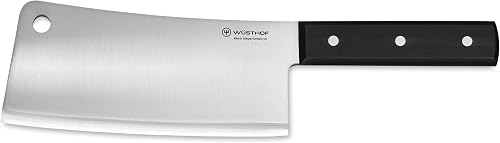 | 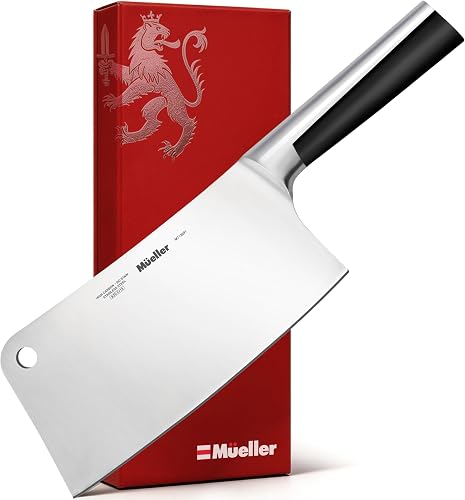 |  |  |  | 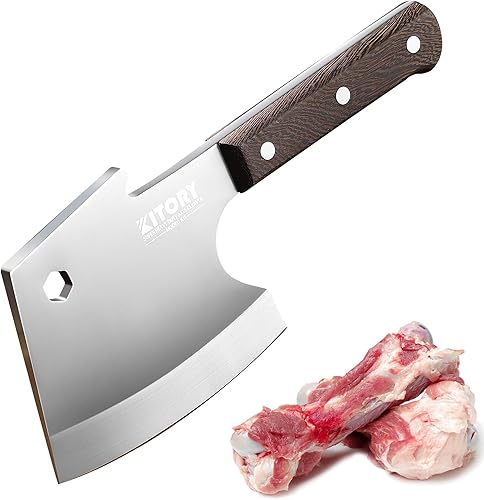 |  |  |  | 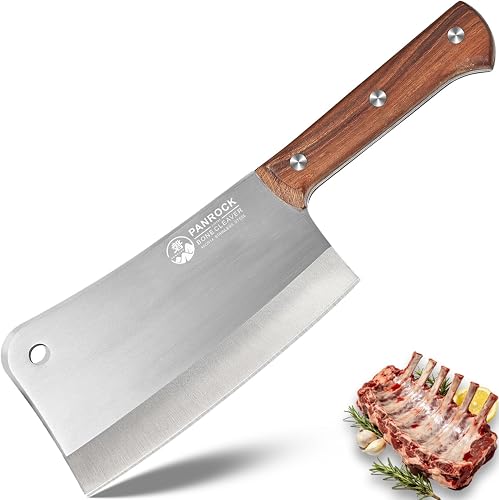 |
|---|---|---|---|---|---|---|---|---|---|---|
| Product | Wusthof 7-Inch Cleaver | Mueller Meat Cleaver | Lamson Meat Cleaver | ROCOCO Bone Cleaver | MAD SHARK Meat Cleaver | Kitory Bone Chopper | Victorinox Fibrox Boning Knife | Cutluxe Cimeter Breaking Knife | Huusk Meat Cleaver | PANROCK Butcher Knife |
| Brand | Wüsthof | Mueller | Lamson | ROCOCO | MAD SHARK | Kitory | Victorinox | Cutluxe | Huusk | PANROCK |
| Best for | Best Overall | Runner-Up | Best for Splitting Joints | Best for Bone Cutting | Best for Impact Tasks | Best for Bone Breaking | Best for De-Boning | Best for Large Cuts | Best for Outdoor Prep | Best for High-Force |
| The listing says | Cuts ribs, bones, and hard fruit Resists corrosion and dulling | Stainless steel resists rust and corrosion Multipurpose blade for chopping and slicing | Forged high-carbon stainless steel 7.25 inches for splitting and mincing | Hand-forged by experienced blacksmiths 25° V-shaped edge for bone cutting | German high carbon stainless steel, 56+ HRC 1.33 pounds, 3.8mm thick, 7.5 inch blade | Heavy-duty axe shape for bones High-quality materials for frequent use | Pointed tip for de-boning Semi-stiff curved blade for precise cuts | Tapered edge for trimming and skinning 14-16 degree Granton blade edge | ATS-34 high carbon steel, 59-61 Rockwell Includes leather sheath and lanyard hole | 40Cr14 steel, 4.5mm thick blade V-shaped edge for bone chopping |
| More information | Price on Amazon | Price on Amazon | Price on Amazon | Price on Amazon | Price on Amazon | Price on Amazon | Price on Amazon | Price on Amazon | Price on Amazon | Price on Amazon |
1. Wusthof 7-Inch Cleaver
Best for: All-purpose heavy-duty kitchen tasks.
The Wusthof 7-Inch Cleaver features a high-carbon stainless steel blade tempered to 58-degree HRC for superior edge retention. Its design aims to reduce fatigue during long prep sessions by using a large, flat blade that provides both strength and rigidity. This cleaver is a versatile workhorse, whereas the Victorinox Fibrox Boning Knife is much narrower and meant for detail work rather than heavy chopping.
If your prep involves slicing through ribs, racks, or bones, the blade’s rigidity ensures a clean cut. For extremely hard-skinned fruit like coconuts, the flat surface provides the leverage needed to finish the task without strain. You should choose this tool if you want a long-lasting, German-made option backed by a limited lifetime warranty.
Avoid using this cleaver as a heavy-duty axe for massive, industrial bone-breaking tasks. It’s engineered for balanced kitchen efficiency, not the violent impacts required for chopping through thick, dense joints. If you find yourself needing to hack through large animal carcasses, a specialized, thicker-spined butcher’s cleaver is the safer, more durable choice.
Pros
- Precision forged high carbon steel
- Limited lifetime warranty included
- Sharpness-focused blade technology
Cons
- Not designed for heavy axe-like impacts
- Requires care to avoid damage from improper heavy-duty hacking
2. Mueller 7-inch Meat Cleaver Knife
Best for: Daily kitchen use and versatility.
The Mueller Meat Cleaver uses a stainless steel blade designed to resist rust and corrosion while remaining easy to sharpen. Its ergonomic handle is built to minimize numbness and fatigue during repetitive tasks like mincing or slicing. The blade is laser-tested for sharpness, making it a reliable choice for routine kitchen chores compared to the thicker, heavier ROCOCO Bone Cleaver.
If you’re prepping vegetables or slicing through soft proteins, the balance of this 7-inch blade offers the control you need. However, don’t use this tool to hack through dense, frozen joints or thick, weight-bearing bones. While the blade is engineered for toughness, forcing it against hard bone risks damaging the edge or compromising the stainless steel.
When your cuts become ragged or require extra force, the steel is designed to be re-sharpened quickly.
This knife is ideal for home cooks who need a multipurpose tool that handles meat and vegetables with equal ease. It isn’t intended for high-impact bone-breaking, as its focus is on comfort and daily maintenance.
Pros
- Ergonomic, non-slip handle grip
- Resists rust and discoloration
- Easy to clean and maintain
Cons
- Lacks extreme thickness for heavy bone
3. Lamson Meat Cleaver
Best for: Splitting joints and ribs.
The Lamson Meat Cleaver is forged from high-carbon stainless steel and features a walnut handle secured with brass rivets. Its weight is intentionally distributed to provide the mass needed for splitting chicken joints or pork ribs in one stroke. Unlike stamped blades that lack the necessary heft, this forged tool relies on its physical weight to drive through bone rather than working around it.
This is a great fit for users who appreciate traditional materials like American walnut and need a sturdy tool for heavy prep. Beyond bone work, the broad 7.25-inch face handles dense root vegetables and minces herbs with a rocking motion. You can even use the flat side to smash garlic and ginger, then use the blade to transfer your ingredients directly to the pan.
It isn’t for those who prioritize dishwasher-safe convenience. While the stainless steel blade tolerates the dishwasher, the walnut handle does not. Machine washing will eventually dry out and crack the wood. If you prefer a maintenance-free tool, look for the version with the Midnight composite handle instead. Always hand wash the walnut version with warm soapy water and dry the blade promptly to protect the handle’s integrity.
4. ROCOCO Meat Bone Cleaver Knife
Best for: Heavy-duty bone chopping.
The ROCOCO Bone Cleaver features a 5mm thick blade and an integrated full-tang handle. It’s hand-forged to ensure durability and hardness, specifically for tasks like chopping cow, sheep, or pig bones. Its 25-degree V-shaped edge is designed to minimize resistance, unlike the finer edge found on the Cutluxe Cimeter Breaking Knife.
If you’re processing frozen food or wood, use this cleaver for its heavy-duty performance. If you’re performing delicate trimming or thin slicing, switch to a lighter knife. The cleaver’s significant weight makes it inefficient for precision work, and attempting such tasks often leads to hand fatigue.
Always clean and dry the blade immediately after use. Because it uses high carbon stainless steel, failing to remove moisture will cause the metal to rust.
Pros
- Extra thick 5mm blade
- Integrated full-tang construction
- Includes portable carrying cover
Cons
- Heavy for delicate work
- Requires immediate drying to prevent rust
5. MAD SHARK 7.5 Inch Meat Cleaver with German Heavy Duty
Best for: Heavy-duty impact tasks.
The MAD SHARK Meat Cleaver is forged from German high-carbon stainless steel and weighs 1.33 pounds. It features a 3.8mm thick blade and a shock-absorbing hole on the back of the knife to reduce impact stress when chopping through dense bones. This makes it more specialized for impact than the general-purpose Mueller Meat Cleaver.
This knife is perfect for someone who processes large amounts of bone-in meat. If you’re breaking down poultry or beef, the 3.54-inch blade broadness keeps your fingers safely away from the cutting surface. You can also use the flat side to crush garlic cloves or squash. It isn’t for users who prefer a lightweight knife, as its substantial mass is designed for forceful, downward chopping.
Pros
- Heavy, 3.8mm thick blade
- Shock-absorbing design feature
- Dishwasher safe material
Cons
- Quite heavy for small hands
6. Kitory Bone Chopper
Best for: Ergonomic bone breaking.
The Kitory Bone Chopper utilizes a heavy-duty axe shape to handle tough tasks like breaking through thick bone. It features a handle made from Wenge wood, which is chosen for its robustness and aesthetic appeal. This tool provides a different balance point than the standard Wusthof cleaver, focusing on a grip that aids in high-force chopping.
If your kitchen work involves frequent bone-in butchery, use this cleaver’s weight to your advantage. Let the axe-like geometry do the work rather than applying lateral pressure, which can damage the edge. If you’re preparing delicate vegetables or herbs, reach for a lighter knife instead. Using this heavy tool for precision tasks leads to hand fatigue and uneven cuts that ruin your presentation.
This chopper is best for culinary enthusiasts who want a tool that looks professional and performs heavy-duty tasks reliably. It isn’t the right choice for fine knife work or precision slicing.
Pros
- Durable Wenge wood handle
- Heavy-duty axe-like shape
- Forged for frequent use
Cons
- Limited to heavy-duty tasks
7. Victorinox Victorinox swiss army cutlery fibrox pro curved boning knife
Best for: Removing meat from bones.
The Victorinox Fibrox Boning Knife is a 6-inch tool designed for precision. Its curved, semi-stiff blade allows for smooth, clean cuts close to the bone, which is the opposite of the heavy impact work performed by the ROCOCO Bone Cleaver. It meets NSF standards for public health protection and is built for delicate and thick cuts alike.
If you’re processing thick meats like pork or beef, the semi-stiff nature of the blade provides the necessary resistance to maintain control. Use the pointed tip to pierce the meat first, then follow the curve of the bone to maximize yield.
This knife is essential for anyone who regularly debones meat or trims fat. It isn’t designed to cut through bone itself. Attempting to chop through solid bone will likely chip or damage the stainless steel edge.
Pros
- Excellent for precision trimming
- Non-slip Fibrox Pro handle
- Lifetime guarantee against defects
Cons
- Can’t cut through bone
8. Cutluxe Cimeter Breaking Knife
Best for: Large meat cuts and brisket.
The Cutluxe Cimeter Breaking Knife features a 10-inch Granton blade sharpened to 14-16 degrees per side. It’s designed for effortless trimming, skinning, and breaking down large portions of meat. This is a specialized slicing tool, unlike the heavy, bone-chopping blades of the Kitory Bone Chopper.
This knife is for the BBQ enthusiast or home butcher who needs to process large primal cuts. If your task involves slicing through brisket or skinning meat, the tapered edge provides the necessary precision. However, if you encounter dense joints or thick bones, stop immediately. Using this high-carbon German steel blade for chopping will damage the edge and compromise its 56+ Rockwell hardness.
The pakkawood handle is triple-riveted to ensure stability during long sessions. Because the blade is laminated and polished for a sanitary build, it remains an ideal choice for busy kitchens. The Cutluxe Cimeter Breaking Knife includes a lifetime warranty against material or workmanship defects.
9. Huusk Meat Cleaver Knife with Sheath
Best for: Versatile outdoor and kitchen prep.
The Huusk Meat Cleaver is hand-forged from high-carbon steel and features a hammered blade finish to prevent sticking. Its thick back design allows it to slice through bone, while its finger hole provides extra control for precision tasks. It’s more versatile than the specialized Victorinox Fibrox Boning Knife, though it requires more maintenance.
If you value longevity, you must commit to hand washing. Putting this knife in a dishwasher will compromise its integrity. Because the blade reaches a 59-61 Rockwell hardness, it holds a razor-sharp 13-15 degree edge exceptionally well. However, if you prefer a tool that can be tossed in the dishwasher after a long day, this isn’t the right choice for your kitchen.
This cleaver is a great gift choice for outdoor cooks who want a portable, stylish tool. The oak handle features a full-tang design with three rivets to ensure stability. Always use the included leather sheath for storage to protect the blade and your hands.
Pros
- Hammered blade prevents sticking
- Includes leather sheath
- Finger hole for control
Cons
- Requires hand washing
10. PANROCK Heavy Duty Butcher Knife
Best for: Efficient, high-force chopping.
The PANROCK Butcher Knife features a 4.5mm thick blade and an extra-long full-tang rosewood handle. This design provides the leverage needed for efficient chopping strokes when dealing with ribs or lamb chops. It’s a more specialized, heavy-duty option than the general-purpose Wusthof cleaver.
If you’re processing thick pork bones, ribs, or cartilages, the 20% longer handle provides the extra force required to complete the task without excessive strain. However, if your primary goal is precision vegetable work or delicate slicing, the weight of this 40Cr14 steel blade will cause unnecessary fatigue.
Always check your grip before a heavy swing. Because the blade is a single piece of steel extending through the handle, it offers excellent balance, but it relies on your ability to maintain a firm, ergonomic hold on the rosewood grip. While the bolster and spine are blunted for safety, the sheer mass of the tool requires a deliberate, controlled motion. Hand wash and dry immediately after use to maintain the integrity of the steel and the wood, as this tool is built for raw power rather than light kitchen tasks.
How to Choose in Sixty Seconds
Match the Blade to the Task
The most important factor is knowing whether you need a cleaver or a boning knife. A cleaver is for splitting and chopping, while a boning knife is for separating flesh from bone. Using a thin boning knife to chop bone will ruin the edge. Always check the blade thickness; if you see “heavy duty” or “4mm+ thickness,” it’s meant for bone. If you see “flexible” or “semi-stiff,” it’s for deboning. When you need to split chicken joints, pork ribs, or dense root vegetables in one stroke, look for a forged blade with enough mass to do the work. If your primary task is trimming meat or working close to the bone, select a curved, semi-stiff blade instead.
Check the Handle and Tang
For heavy-duty chopping, look for a “full tang” design, where the metal of the blade extends through the entire handle. This prevents the handle from snapping off under the impact of hitting bone. Rosewood, Wenge, or riveted handles generally offer better stability than basic plastic. Make sure the handle feels secure in your hand, as a slippery grip is dangerous when working with heavy blades and tough ingredients. If you prefer a wood handle, be prepared to hand wash it, as dishwashers can dry out and crack natural materials. If you require a tool for outdoor use or camping, prioritize models that include a sheath or lanyard hole for safe transport.
Consider Maintenance Needs
Harder steel holds an edge longer but can be harder to sharpen at home. Softer stainless steel is easier to hone but may require more frequent attention. If you don’t want to hand wash your knife, look specifically for stainless steel models that list dishwasher safety. However, even “dishwasher safe” knives often last longer if hand washed to prevent corrosion. Decide if you prioritize the convenience of a machine-washable tool or the superior edge retention of high-carbon, hand-washed steel before you make your final choice. If you choose a blade with a hammered finish, note that it helps prevent food from sticking during heavy prep.
Frequently Asked Questions
Can I use a regular chef’s knife to chop through bones?
No, you shouldn’t use a standard chef’s knife for bone work. These knives feature thin, flexible blades designed for slicing vegetables or boneless meat, which will chip or snap when striking dense bone. For bone-in tasks, use a specialized cleaver designed with the necessary weight and hardness to withstand high-impact force.
Do I need to sharpen my cleaver as often as a regular knife?
Cleavers dull faster than slicing knives due to the high-impact nature of their work. They feature wider edge angles, such as the 25-degree edge on the ROCOCO Bone Cleaver, to prioritize durability over razor-sharpness. Sharpen your cleaver whenever it struggles to cut cleanly, and use a steel rod for regular maintenance.
Why do some meat cleavers have a hole in the blade?
The hole in the blade serves two primary purposes. It acts as a shock-absorbing feature to dissipate vibrations when striking hard surfaces, reducing hand fatigue. Additionally, it provides a convenient way to hang the knife on a wall hook for safe, organized storage that protects the blade edge.
Is high-carbon steel better than stainless steel?
High-carbon steel holds a sharp edge well but is prone to rust if not dried immediately. Stainless steel offers superior corrosion resistance and lower maintenance. Choose high-carbon steel if you prioritize performance and are diligent about cleaning, or select stainless steel if you prefer a lower-maintenance tool.
Closing
Selecting the right tool for cutting meat and bones depends on your primary task. The Wusthof cleaver is the best overall choice for balancing power and precision, while the Victorinox Fibrox Boning Knife is the superior pick for detailed deboning. If your work involves dense bones, choose heavy-duty options like the ROCOCO Bone Cleaver or the PANROCK Butcher Knife, which feature thicker blades for impact.
Before you buy, assess your maintenance habits. If you prefer low-maintenance tools, prioritize stainless steel handles over wood, as wood handles like those on the Lamson cleaver require hand washing to prevent cracking. If you choose a wood handle, commit to drying it promptly after use.
Ensure your kitchen space supports safe, heavy chopping, as these tools are designed for force. If you’re cutting through bone, look for a full-tang design, which provides the structural integrity needed to prevent handle breakage during impact. Finally, verify the blade thickness; a 4.5mm blade like the one on the PANROCK model offers more force for heavy-duty tasks than thinner, general-purpose kitchen knives.