
The Victorinox Fibrox Breaking Knife is the best all-rounder for raw meat, while the Victorinox Fibrox Boning Knife excels at intricate deboning. Choosing the right tool depends on your specific task, whether you are trimming fat, removing bones, or slicing large roasts, as well as your experience level and comfort with different blade lengths.
| # | Product | ||
|---|---|---|---|
| 1 |  | Victorinox Fibrox Breaking Knife Best Overall | Check Price |
| 2 |  | Victorinox Fibrox Boning Knife Best for Boning | Check Price |
| 3 |  | Cutluxe Brisket Knife Best for Slicing | Check Price |
| 4 | 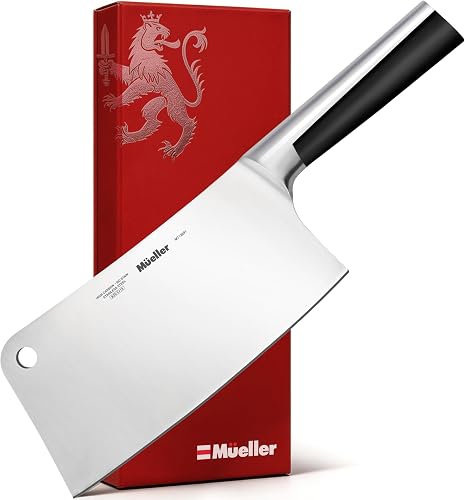 | Mueller Meat Cleaver Best for Heavy Duty | Check Price |
| 5 |  | Dalstrong Butcher Knife Most Durable Construction | Check Price |
| 6 |  | Cutluxe Bullnose Butcher Knife Best Bullnose Design | Check Price |
| 7 |  | HOSHANHO Fillet Knife Best for Precision | Check Price |
| 8 |  | Cutluxe Cimeter Breaking Knife Best Cimeter Style | Check Price |
| 9 |  | Victorinox Fibrox Butcher Knife Best Long Blade | Check Price |
| 10 | 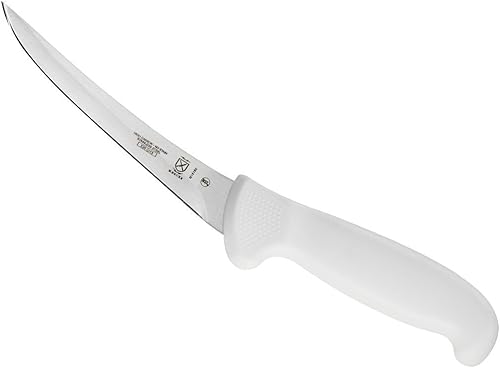 | Mercer Culinary Boning Knife Best Compact Design | Check Price |
1. Victorinox Fibrox 8-Inch Curved Breaking Knife
Best for: Someone needing a versatile tool for breaking down large roasts.
This knife is designed for butcher work, helping you turn large cuts into smaller, manageable portions. The wider blade provides added weight, which helps you achieve uniform slices without the meat tearing or falling apart. It’s a solid, lightweight option for both home cooks and professionals who need a reliable tool for daily use.
The ergonomic, textured handle is built to minimize wrist tension and remains slip-resistant even when wet. It’s also NSF approved and dishwasher safe, making it a hygienic choice for busy kitchens.
If you’re breaking down heavy roasts or primal cuts, the weight of this blade works in your favor to maintain clean, consistent slices. However, if you’re working with delicate tasks like filleting fish, choose a thinner, more flexible blade instead. The rigid, wider profile of this knife is built for power rather than finesse.
Good if:
- You frequently buy large primal cuts.
- You prefer a lightweight, balanced tool.
- You prioritize a non-slip, ergonomic grip.
Skip it if:
- You need a flexible blade for filleting fish.
- You have very small hands that struggle with wider blades.
To maintain the performance of the high-carbon stainless steel edge, use a dedicated knife sharpener. Regular maintenance is required to keep the edge sharp enough for professional-grade slicing.
2. Victorinox Fibrox 6-In Curved Boning & Fillet Knife
Best for: Trimmers and home cooks working with chicken or fish.
When you need to remove meat from the bone, a curved, flexible blade is essential. This knife is specifically shaped to navigate around joints and bones, making it ideal for tender cuts where precision is required. Its design allows you to trim fat or skin with ease, minimizing waste and ensuring you get the most out of your ingredients.
The handle uses the same patented, slip-resistant material found on the larger breaking knife, ensuring safety during detailed work. Because it’s crafted in Switzerland, it carries a lifetime guarantee against defects in materials and workmanship. This tool isn’t built for heavy-duty chopping or splitting bones, as the flexible steel is intended for precision rather than brute force.
If you’re working with thick, dense cuts or need to hack through joints, choose a rigid blade instead. Using a flexible boning knife for heavy tasks often results in a bent or damaged tip. Reserve this six-inch tool strictly for delicate tasks like filleting fish or removing chicken breasts from the carcass.
Good if:
- You regularly debone chicken or fish.
- You value a blade that follows the contours of bone.
- You want a lifetime guarantee on your purchase.
Skip it if:
- You need to chop through tough bones or joints.
- You’re looking for a long blade for slicing brisket.
- You require a rigid, non-flexible steel blade for heavy-duty butchery.
3. Cutluxe Brisket Knife
Best for: Pitmasters and enthusiasts who slice large smoked meats.
Slicing brisket or roast requires a long, stable blade to create clean, consistent cuts in a single motion. This knife features a Granton edge, which creates small air pockets to prevent meat from sticking to the blade during the slicing process. The 12-inch length ensures you can span the width of a large brisket without needing to saw back and forth, which often shreds the delicate bark.
The full-tang construction and triple-riveted pakkawood handle provide a luxury feel and excellent stability. It’s engineered from German steel with a 56+ Rockwell hardness, balancing sharpness with edge retention. The listing doesn’t mention sharpening restrictions.
This knife isn’t intended for heavy butchery or breaking down whole carcasses. The long, thin blade is specifically optimized for slicing cooked or raw roasts. Using it to hack through bone will likely cause the steel to chip or warp.
Good if:
- You slice large briskets or roasts often.
- You prefer the aesthetics of a pakkawood handle.
- You need a blade that resists sticking during long cuts.
Skip it if:
- You have limited storage space for long knives.
- You need a tool for heavy-duty deboning or chopping through bone.
- You prefer a flexible blade for filleting.
4. Mueller 7-Inch Meat Cleaver Butcher Knife
Best for: Serious cooks handling poultry joints and thick ribs.
This cleaver is built for power, designed to chop through poultry joints and ribs with a single, controlled stroke. The 7-inch blade is forged from high-carbon German steel and features an 18-degree double-bevel edge, which is engineered to resist chips and fractures. It doubles as a bench scraper, allowing you to move prepped ingredients from your board to the pot quickly.
The full-tang, seamless stainless steel handle is contoured for an ergonomic grip, keeping your hands safely positioned away from the blade. It’s a heavy-duty option that simplifies complex prep work. While the precision-sharpened tip handles detail work, this knife isn’t ideal for those who need a light, nimble blade for delicate silverskin trimming or fine filleting on small fish.
If you prioritize edge longevity, hand wash the blade rather than using the dishwasher. While the steel is dishwasher safe, hand washing maintains peak edge retention through more sessions.
Good if:
- You frequently break down whole chickens.
- You want a tool that also acts as a bench scraper.
- You prefer a full stainless steel construction.
Skip it if:
- You need a knife for delicate trimming or filleting.
- You find heavy, large-bladed knives fatiguing.
5. Dalstrong 8″ Butcher and Brisket Knife
Best for: The home butcher working through large muscle groups.
This knife is designed for the transition between primal portioning and detailed trimming. The 8-inch length is long enough to handle large pork shoulders or beef chucks but short enough to retain control during silverskin removal. Its forged German steel construction ensures the blade doesn’t flex under lateral pressure when you’re working through tough connective tissue.
If you trim brisket, use long, sweeping strokes across the fat cap to maintain consistent thickness. If you’re navigating tight spaces, use the tip of the blade for precise detail work. Avoid using this knife for delicate vegetable prep; its weight and edge geometry are specifically engineered for high-volume protein breakdown.
The G10 handle is highly resistant to moisture and blood, making it a practical choice for a protein-heavy prep station. It’s a durable, professional-grade tool built to withstand years of weekly use. This knife isn’t for the occasional cook who only needs a basic blade, as the heavy-duty construction and G10 handle are tailored for high-volume butchering.
Good if:
- You process large cuts of meat frequently.
- You want a handle that resists moisture and stains.
- You need a rigid blade that resists snapping.
Skip it if:
- You only need a knife for occasional light kitchen prep.
- You prefer a lighter, more flexible blade.
- You require a longer 10-inch blade for massive whole-muscle tasks.
6. Cutluxe Butcher Knife 10″ Bullnose Carving Knife
Best for: Cooks who prefer a bulbous tip for long slicing strokes.
The unique bullnose tip on this 10-inch knife provides extra edge length, which is excellent for making long, sweeping cuts through large pieces of meat. The added weight at the front of the blade gives you more power and control, helping you break down big cuts without excessive effort. It’s a specialized tool designed for efficiency and clean results.
If you’re trimming briskets or skinning large roasts, the 14-16 degree edge angle allows for the precision slicing required for clean separation. However, avoid using this knife for delicate tasks like deboning small poultry. The bulbous tip and length become liabilities in tight spaces, making it difficult to maneuver around bone joints.
Like other Cutluxe models, it features a triple-riveted pakkawood handle and high-carbon German steel. It’s built for sanitary use and long-lasting performance, backed by a lifetime warranty. The knife is backed by a lifetime warranty against material or workmanship defects.
Good if:
- You want the extra length for long slicing strokes.
- You prefer a blade with more weight at the tip.
- You want a lifetime warranty against defects.
Skip it if:
- You need to work in tight, small spaces.
- You aren’t comfortable managing a 10-inch blade.
- You primarily perform intricate, small-scale deboning work.
7. HOSHANHO Fillet Knife 9 Inch
Best for: Those prioritizing precision and thin, delicate cuts.
If your main focus is fish or very tender meats, this 9-inch fillet knife is a strong contender. Made from high-quality 10Cr15CoMoV Japanese steel, the blade is thinner and more flexible than standard butcher knives. This allows the edge to adapt to the curve of your ingredients. Such precision helps reduce waste and results in cleaner, professional-looking fillets.
The hand-polished 15-degree edge ensures high sharpness for intricate tasks like butterflying or skinning.
The pakkawood handle is ergonomic and designed to reduce user fatigue during long prep sessions. Because the blade is relatively soft and lightweight, it offers superior control for delicate work. However, avoid using this knife for heavy-duty tasks. The thin steel isn’t designed to withstand the stress of chopping through dense bones or frozen items, which will damage the fine edge.
Good if:
- You specialize in filleting fish.
- You want a very sharp, thin blade.
- You prefer a lightweight, flexible tool.
Skip it if:
- You need to cut through bone or cartilage.
- You prefer a stiff, rigid blade for heavy butchery.
8. Cutluxe Cimeter Breaking Knife
Best for: Trimming and portioning brisket or other large meats.
The cimeter style is a classic choice for breaking down meat, and this 10-inch version provides a significant reach. The curve of the blade is optimized for long, continuous strokes, which is ideal for trimming fat caps or portioning whole muscles. You should use the curved belly for smooth, sweeping cuts that prevent the meat from tearing.
The high-carbon German steel is forged to 56+ Rockwell hardness. This specific density balances edge retention with the flexibility needed to navigate around bone.
The full-tang construction and pakkawood handle are designed for stability and comfort. It’s a robust tool that fits well in a busy kitchen. Because the handle is triple-riveted and polished, it remains sanitary even during heavy trimming sessions.
This knife isn’t for someone looking for a compact, all-purpose blade. Its size is specifically geared toward larger butchering tasks where maneuverability is secondary to length.
Good if:
- You need a long, curved blade for trimming.
- You want a durable, full-tang construction.
- You prefer a cimeter-style blade.
Skip it if:
- You need a compact knife for small kitchen tasks.
- You’re intimidated by larger butcher knives.
9. Victorinox Fibrox 10 Inch Granton Edge Butcher Knife
Best for: Those who need a long blade for massive butchering jobs.
When you’re dealing with the largest butchering tasks, a 10-inch blade provides the necessary heft and reach. This knife is conical ground and ice-tempered, which contributes to its edge retention and overall durability. The inclusion of a built-in finger guard adds a layer of safety that’s helpful when your hands might be slippery.
If you’re breaking down whole primals or large roasts, the Granton edge prevents meat from sticking to the steel. This allows for cleaner, faster cuts. However, if your primary work involves delicate trimming or small-scale vegetable prep, the blade’s length will feel cumbersome and difficult to control.
The handle is the signature Fibrox Pro design, which is well-regarded for its ergonomic, non-slip grip. It’s weighted and balanced to make handling the 10-inch blade easier than one might expect. Because the blade is laser-tested and meets NSF standards, it’s built to survive the rigors of professional environments.
Good if:
- You handle very large pieces of meat.
- You prioritize safety features like a finger guard.
- You want a trusted, long-term brand backed by a lifetime guarantee.
Skip it if:
- You only need a knife for everyday, small-scale prep.
- You lack the drawer space to store a 10-inch blade safely.
- You prefer a lighter, shorter blade for precision work.
10. Mercer Culinary Boning Knife
Best for: Professionals or enthusiasts needing a compact, nimble tool.
This 6-inch curved boning knife is a practical choice for separating meat from the bone. The high-carbon Japanese steel is designed for easy maintenance, allowing you to keep the edge sharp with minimal effort. Its compact size makes it highly maneuverable, which is exactly what you need when deboning chicken or trimming sinew in tight areas.
The handle features textured finger points to enhance your grip, providing comfort and safety during detailed work. It’s an excellent tool for those who value efficiency and want a knife that’s easy to handle. This knife isn’t built for heavy-duty chopping or splitting, as the focus here is entirely on precision deboning and trimming.
To ensure the blade lasts, wash it by hand with mild soap and warm water immediately after use. Never submerge the knife for long periods or place it in the dishwasher, as these habits degrade the material and shorten the knife’s lifespan. Always dry the blade completely with a soft towel to prevent moisture damage.
Good if:
- You need a compact, easy-to-handle knife.
- You want a tool that’s easy to sharpen.
- You prioritize precision over power.
Skip it if:
- You need a long blade for slicing large roasts.
- You require a heavy cleaver for bone work.
What to look for in a raw meat knife
Many of these knives serve similar roles, which can make choosing difficult. For example, the Victorinox Fibrox Breaking Knife, Dalstrong Butcher Knife, and Cutluxe Cimeter all excel at portioning large muscle groups. If you’re choosing between these, consider the handle material and the balance you prefer. The Fibrox handle is utilitarian and non-slip, while the pakkawood handles on the Cutluxe line offer a more premium feel.
Similarly, the boning knives from Victorinox and Mercer Culinary are both excellent for detail work. They share a similar 6-inch curved geometry, meaning the choice often comes down to the specific handle texture you find most comfortable.
The most distinct divide in this group is between the heavy-duty cleavers and the slicing knives. The Mueller Meat Cleaver is a brute-force tool for joints and bones, while the Cutluxe Brisket Knife is a precision instrument for cooked or raw slices.
If you’re still struggling, think about the primary ingredient you prepare. If your work involves mostly fish, lean toward a flexible fillet knife, which adapts to the shape of the ingredients to reduce waste. If your work involves mostly beef or pork, a rigid butcher or breaking knife is the better investment.
Use this rule to guide your maintenance: if a knife is dishwasher safe, like the Fibrox or Mueller lines, you gain convenience. However, if you choose a pakkawood handle or a high-performance steel like the Cutluxe or Mercer, hand washing is required to prevent damage. Always prioritize a full-tang construction if you plan to handle heavy, dense proteins, as this ensures the blade won’t flex or snap under pressure.
Still Not Sure?
How often will I really use it?
If you only process meat once in a while, a versatile tool like the Victorinox Fibrox Breaking Knife is likely all you need. It handles most tasks well without being overly specialized. However, if you’re a regular pitmaster or home butcher, investing in a specific tool like the Cutluxe Brisket Knife for slicing or the Mueller Meat Cleaver for heavy work will significantly improve your efficiency and results. Think about your weekly routine; if you find yourself struggling with a standard chef’s knife, it’s time to upgrade to a dedicated butcher tool.
What do I already own that this has to work with?
Take a look at your current knife block. If you already have a very sharp chef’s knife, you might not need a general-purpose butcher knife, but rather a specialized tool like the Victorinox Fibrox Boning Knife to handle the tasks your chef’s knife cannot. If your current knives are dull, consider the Mercer Culinary Boning Knife. Matching your new purchase to fill a specific gap in your current set is the best way to ensure you actually use the new tool.
What am I most likely to regret choosing?
The most common regret is buying a knife that’s too large for your storage space or your hands. A 10-inch or 12-inch blade is powerful, but if you struggle to control it, you’ll likely reach for your old, smaller knife instead. If you’re a first-time buyer, start with a more compact or mid-sized knife like the Dalstrong Butcher Knife. It’s far better to have a slightly smaller knife that you use with confidence than a massive blade that stays in the drawer because it feels intimidating or unbalanced.
Once you identify whether your prep work requires a flexible deboning tool or a rigid slicing blade, select the model that fits your comfort level. To ensure your new knife remains effective for future meal preparation, establish a consistent sharpening routine immediately after your first few uses.
Related guides